
Can a Litter Box Enclosure Reduce Odor and Keep Your Home Clean?

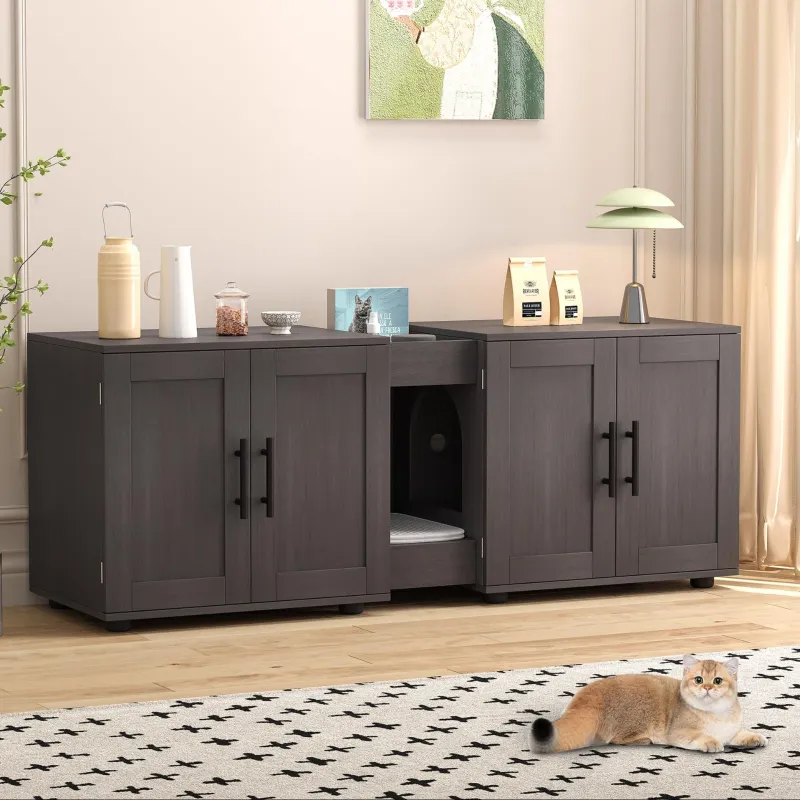
A litter box enclosure is one of the most practical ways to contain odor, contain litter scatter, and keep your home clean when you share it with a cat. Beyond the obvious benefit of hiding the litter box from view, a well-designed enclosure actually reduces airflow around the box, traps odors before they spread, and gives you a dedicated space to manage the mess. We tested several options to find what works and what to watch out for.
How a Litter Box Enclosure Reduces Odor
A litter box enclosure works by creating a contained space that limits air circulation around the box. This keeps ammonia and other odors from dispersing throughout your home as quickly. The walls and door (if your enclosure has one) act as a barrier, and many designs include ventilation or mesh components that allow air to move without creating wide-open odor pathways.
The effectiveness depends on a few factors: how often you scoop, the size of your cat, and the design of the enclosure itself. A cramped space can trap odors intensely and may discourage your cat from using it, while one that's too large loses its containment benefit. Most cats are content with an enclosure as long as they have enough room to enter, turn around, and dig comfortably.
Choosing Between Ready-Made and DIY Options
If you prefer a ready-made solution, the litter box enclosure from Garvee combines functionality with a clean aesthetic. These units typically come assembled or require minimal setup, saving you time and design guesswork. You can grab the code for 10% off to bring the cost down.
For those who enjoy building, DIY litter box enclosure projects give you full control over materials, size, and style. Popular DIY materials include plywood, reclaimed wood, or even furniture repurposing. If you build your own, consider using hardware cloth or mesh panels for ventilation to prevent odor buildup. Many makers incorporate a simple hinged or sliding door for easy access during cleaning.
Both paths have merit. Ready-made units save time; DIY projects save money and let you match your home's decor exactly.
Litter Box Enclosure Size and Capacity
Size matters more than most people realize. Your enclosure needs to be at least 1.5 times the length of your cat's body, and ideally tall enough that your cat doesn't kick litter onto the outside when digging. A typical interior space should measure at least 18 inches by 24 inches, with a height of 12 to 14 inches inside.
For multi-cat households or larger breeds, consider a cat litter box enclosure large enough for two boxes, or go with an oversized single-box model. A small enclosure is tempting if you have limited space, but a cramped box often leads to accidents outside the enclosure or behavioral issues. Check the product dimensions carefully before ordering—many enclosures look roomier in photos than they are in person.
| Feature | Compact | Standard | Large |
|---|---|---|---|
| Interior length | 16–18 in | 24–26 in | 30+ in |
| Suitable for | Single small cat | Most cats | Multiple cats or large breeds |
| Odor containment | Good | Excellent | Excellent |
| Ease of cleaning | Tight | Easy | Spacious |
Materials and Durability
Enclosures are typically made from wood, plastic, or a combination of both. Wood looks more like furniture and blends into living spaces, but it can absorb odors and moisture over time. Plastic and laminates are easier to clean and resist staining, though some designs look less refined.
Look for materials that are easy to wipe down and ventilated to prevent moisture and odor absorption. If you use hardware cloth or mesh panels in your design, make sure they're securely attached so your cat can't loosen them. Avoid materials that splinter or have sharp edges, especially if your cat is an aggressive digger.
Placement and Ventilation
Where you place your litter box enclosure affects how well it controls odor. Position it away from your main living areas but in a spot your cat can access easily. Avoid corners with poor air circulation; instead, place the enclosure where natural airflow or a nearby fan can help disperse any odors that escape.
If your enclosure doesn't have built-in ventilation, you can improve airflow by leaving the door partially open or choosing a design with mesh panels. A small foldable step stool nearby makes it easier for you to reach inside for scooping—daily scooping is the single biggest factor in odor control, far more important than the enclosure itself.
Maintenance and Long-Term Care
A litter box enclosure is only as effective as the maintenance routine behind it. Scoop daily, fully change the litter weekly, and wipe down the interior surfaces with a damp cloth at least once a month. Over time, odors can settle into the material itself, so periodic deep cleaning with a pet-safe disinfectant keeps the enclosure fresh.
Watch for signs of moisture damage or odor absorption, especially in wooden designs. If you notice persistent smells even after regular cleaning, it may be time to refresh the litter or move the box to a better-ventilated location. Most quality enclosures last several years with proper care.
Who Benefits Most From a Litter Box Enclosure
A litter box enclosure is ideal if you live in a small space, have multiple cats, or are sensitive to odors. Renters appreciate that most enclosures are portable—you can move them to a new home without damage. Families with young children or pets often use enclosures to keep dogs away from the litter box. If you value aesthetics and don't want a litter box as a visual centerpiece, an enclosure solves that problem instantly.
If you're ready to invest in one, check the latest price on Garvee and use the current offer for savings on your order.
Frequently asked questions
Does a litter box enclosure really reduce odor?
Yes, but mainly by containing odors rather than eliminating them. An enclosure limits airflow and traps smell, but daily scooping is still the most effective odor control method. Ventilation and material choice also matter—mesh panels and proper placement improve results.
What size should my litter box enclosure be?
Your enclosure should be at least 1.5 times your cat's body length and tall enough to prevent litter scatter. A typical interior should measure at least 18 by 24 inches with 12 to 14 inches of height. Always check product dimensions before buying to ensure your cat has enough room.
Can I make a DIY litter box enclosure?
Absolutely. Many people build their own using plywood, reclaimed wood, or repurposed furniture. Hardware cloth or mesh panels help with ventilation. DIY projects save money and let you customize size and style to match your home.
How often should I clean a litter box enclosure?
Scoop daily and fully change the litter weekly to keep odors minimal. Wipe down the interior monthly with a pet-safe disinfectant. Proper maintenance extends the life of your enclosure and keeps it effective.
Will my cat use a litter box enclosure?
Most cats adjust well as long as the enclosure is large enough and well-ventilated. Some cats are hesitant about confined spaces, so ensure there's enough room to enter, turn around, and dig comfortably. If your cat resists, try leaving the door partially open initially.
What's the best litter box enclosure material?
Wood looks like furniture but can absorb odors over time. Plastic and laminates are easier to clean and more moisture-resistant. Choose materials that are easy to wipe down and ventilated to prevent odor absorption.