

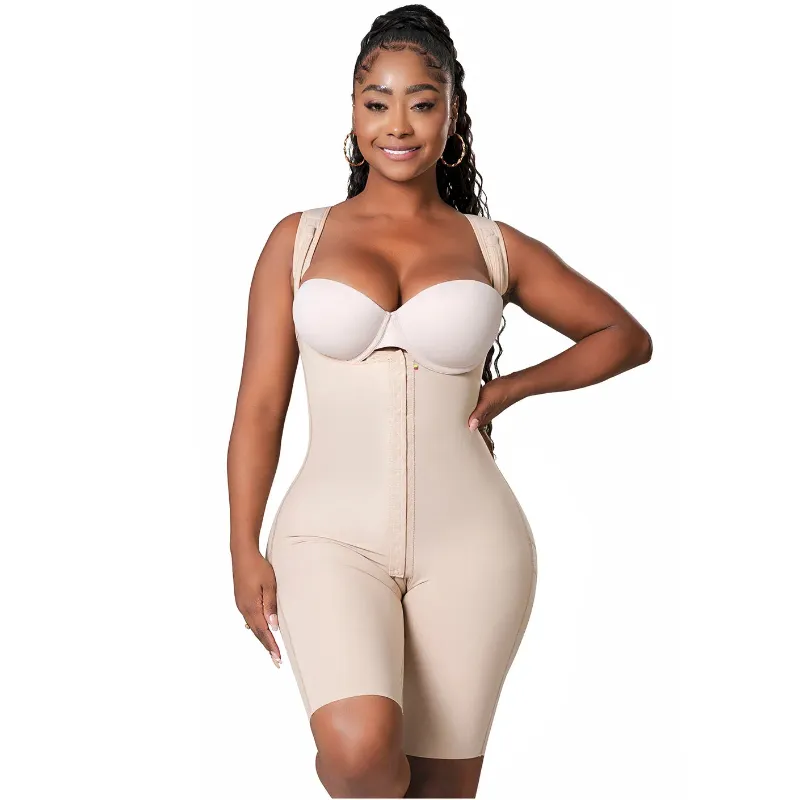
A faja post surgery is one of the most important recovery tools you can invest in, and choosing the right one makes a real difference in both comfort and long-term results. Whether you are recovering from a tummy tuck, liposuction, or BBL, the right garment supports healing tissue, reduces swelling, and helps your body settle into its new contour. This guide walks you through exactly what to look for so you can make a confident, safe choice.
What a Faja Post Surgery Actually Does
A post-surgery faja is not the same as everyday shapewear. It is a medical-grade compression garment engineered to:
- Apply even, graduated pressure across treated areas to minimize fluid buildup
- Hold swollen tissue firmly so scar tissue forms smoothly
- Reduce post-op pain by limiting movement of sensitive areas
- Support your posture while your core muscles are still weak
The faja shaper range at Shapewear USA is built with these recovery goals in mind, using firm yet breathable fabrics rather than the light-stretch materials found in fashion bodysuits.
Faja Post Surgery: Compression Level and Coverage
Compression is measured in mmHg (millimeters of mercury). Your surgeon will usually specify a stage:
| Stage | Timing | Compression Level | Coverage Need |
|---|---|---|---|
| Stage 1 | Days 1-4 weeks | High (20-30 mmHg+) | Full torso, foam boards possible |
| Stage 2 | Weeks 4-8 | Medium-firm | Torso and hips |
| Stage 3 | Weeks 8+ | Light-firm | Targeted shaping |
Always confirm staging with your surgeon before purchasing. As you transition into later stages, a bodysuit body or the snatched body can provide the lighter, all-day compression your body needs while your results continue to settle.
Choosing the Right Style for Your Procedure
Different surgeries call for different garment styles. Here is a practical breakdown:
Tummy Tuck or Lipo (Abdomen) A full-coverage faja that runs from underbust to mid-thigh is the standard recommendation. Look for a front zipper or hook-and-eye closure so you can use the restroom without removing the entire garment.
BBL (Brazilian Butt Lift) You need a faja with a butt-less or open-seat design to avoid putting pressure on transferred fat cells. Many of the post-surgery options at Shapewear USA are specifically cut to protect this area.
Breast Augmentation or Reduction A back support bra with wide bands and minimal underwire pressure is often recommended in the later weeks. The back support bra benefits here are real: it redistributes weight evenly and prevents band migration across healing incisions. For later-stage support without wires, a longline strapless bra can work well once your surgeon clears you for less restrictive garments.
Men's Procedures (Gynecomastia, Lipo) Men recovering from chest or abdominal procedures should look at the compression vest for upper-body support or the girdle male for abdominal compression. Both are designed with a masculine cut and firm panel construction suited to post-op needs.
Sizing a Post-Surgery Faja Correctly
Getting the size right is critical. Too loose and you lose the compression benefit. Too tight and you risk restricted circulation.
Follow these shapewear size guide tips:
- Measure at the narrowest point of your waist, the fullest point of your hips, and your underbust, after any initial post-op swelling has peaked (usually 48-72 hours post-surgery)
- If you are between sizes, size up for Stage 1 when swelling is highest
- Re-measure and size down as swelling reduces over weeks 3-6
- Check the brand's specific size chart because faja sizing often runs differently from regular clothing sizes
If you are pregnant or recently postpartum, maternity shapewear is shaped to accommodate a changing body and provides gentler compression that is appropriate for that recovery context.
Materials and Care for Longevity
Post-surgery fajas are worn for many hours a day, so fabric quality matters enormously.
What to look for:
- Powernet or compression nylon-spandex blends for firm, breathable hold
- Flat or covered seams to avoid rubbing against incision sites
- Moisture-wicking liners to keep skin dry and reduce infection risk
- Adjustable closures (hooks, zippers, or boning channels) for a custom fit as your body changes
Care routine:
- Hand wash in cool water with a gentle detergent daily or every other day
- Never put a post-op faja in the dryer; heat degrades elastic fibers fast
- Rotate between two garments so one is always clean and dry
- Inspect closures and seams weekly and replace the garment if compression feels noticeably reduced
Who Else Benefits from Post-Op-Style Compression
Recovery garments are not exclusively for major surgery. You will find similar compression useful after:
- Minimally invasive body contouring (CoolSculpting, RF treatments)
- Hernia repair where abdominal support is prescribed
- Postpartum recovery, where maternity shapewear options can ease the transition
- High-impact athletic recovery, where men's compression shapewear reduces muscle fatigue
For everyday use outside of recovery, styles like the thong shapewear offer thong shapewear comfort without visible panty lines, while still giving your midsection a smoothing hold.
Where to Buy and How to Save
Shapewear USA carries a focused range of post-surgery and medical-grade compression garments, including stage-specific fajas, compression vests, and support bras. Before you check out, grab the code at our Shapewear USA discount page to access the current 10% off sitewide offer.
If you are unsure which garment matches your procedure or stage, the product pages include detailed fit notes. Check the latest pricing and availability before you buy, since stock on post-surgery styles can move quickly. Investing in the right faja from the start means fewer garment replacements, better comfort during recovery, and results your surgeon will be happy to see.
 Shopping at Shapewear USA? See today's verified Shapewear USA discount code
Frequently asked questions
When should I start wearing a faja post surgery?
Most surgeons have you in a Stage 1 compression garment within 24 hours of your procedure, often before you leave the surgical center. Always follow your surgeon's specific instructions, as timing can vary based on the type of procedure and how your body responds.
How many hours a day should I wear my post-surgery faja?
The standard recommendation is 23 hours a day during Stage 1, removing the garment only to shower and inspect your skin. As you progress to later stages your surgeon will typically reduce wear time, often to 12 hours a day.
What is the difference between a faja shaper and a post-surgery faja?
A faja shaper is designed for everyday smoothing and light compression, while a post-surgery faja uses firmer, medical-grade compression fabrics and features like flat seams and open-seat designs that protect healing tissue. Using a fashion shaper during early recovery is not a substitute for a proper post-op garment.
Can men use a compression vest instead of a full-body post-surgery garment?
Yes, for procedures limited to the chest or upper abdomen a compression vest is often the appropriate choice for men, as it targets the treated area without unnecessary pressure on the lower body. For abdominal lipo, a girdle male style with full waist-to-hip coverage is typically recommended instead.
How do I know when to size down in my recovery faja?
A good indicator is when you notice the garment feeling looser than it did in the first week or when you can pinch excess fabric at the waist. Most patients size down once between weeks 3 and 6 as swelling resolves, but re-measuring and comparing to the brand's size chart is the most reliable method.
Is there a discount code available for Shapewear USA post-surgery garments?
Yes, we maintain a regularly updated coupon page where you can find the current sitewide offer for Shapewear USA. Visit our Shapewear USA discount code page before checkout to apply the latest savings to your post-surgery garment purchase.