

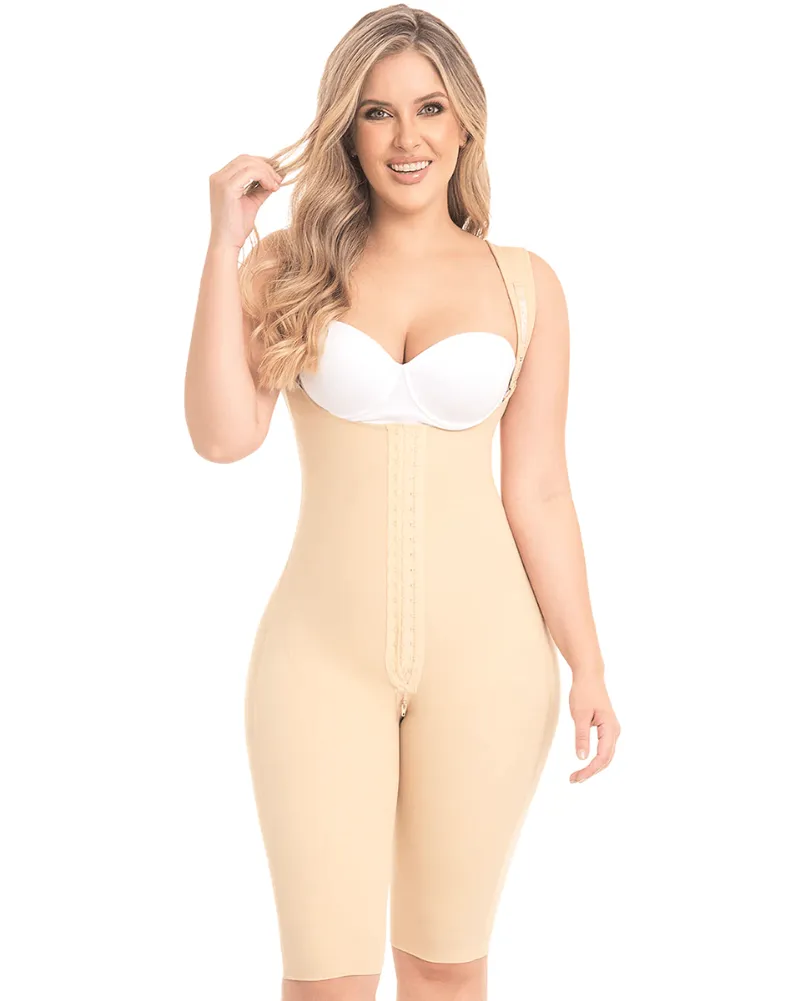
Faja Shaper vs. Thong Shapewear: Which Style Works Best for Your Body Type?
Thong shapewear gives you a smooth, invisible finish under fitted clothing, while a faja shaper wraps your midsection in structured, medical-grade compression for more dramatic shaping. Knowing which one fits your lifestyle, outfit choices, and body goals makes all the difference. We tested both styles from Shapewear USA to give you a straight answer.
---
What Is Thong Shapewear and Who Is It For?
Thong shapewear is a lightweight shaping brief cut in a thong silhouette at the back. The defining benefit is thong shapewear comfort: no visible panty lines under bodycon dresses, tailored trousers, or leggings. It is not designed for heavy compression, but it firms the tummy, lifts the seat, and stays hidden under virtually anything.
Best suited for:
- Everyday wear where comfort over long hours matters
- Fitted dresses, skirts, or trousers where panty lines are a problem
- Women who want light-to-medium smoothing rather than dramatic cinching
- Warmer climates or long workdays where bulkier shapewear becomes uncomfortable
If you pair thong shapewear with a snatched body or a bodysuit body, you get full-torso coverage from waist to bust while keeping the bottom line completely clean.
---
What Is a Faja Shaper and Who Is It For?
A faja shaper is a Colombian-style compression garment built from reinforced, high-density fabric. It is designed for significant waist and abdominal compression, often featuring boning, hook-and-eye closures, and multiple compression panels.
Best suited for:
- Women who want visible, structured waist reduction
- Post-partum bodies that need core support as muscles recover
- Anyone using shapewear as part of a waist-training routine
- Recovery use alongside a faja post surgery, which is specifically engineered for post-operative support after procedures like liposuction or tummy tucks
The tradeoff: a faja is less discreet, bulkier under thin fabrics, and requires more effort to put on and take off. It is a performance garment first and an everyday garment second.
---
Side-by-Side Comparison
| Feature | Thong Shapewear | Faja Shaper |
|---|---|---|
| Compression level | Light to medium | Medium to firm |
| Panty line visibility | None | Visible under thin fabric |
| Best use case | Daily wear, nights out | Waist training, post-surgery |
| Ease of wear | Very easy | Moderate effort |
| Outfit compatibility | Dresses, trousers, leggings | Jeans, skirts, looser layers |
| Breathability | High | Moderate |
---
Shapewear Size Guide Tips: Getting the Fit Right
Sizing is where most buyers go wrong with both styles. Too small and you create bulge at the edges; too large and you lose the compression benefit entirely.
- Measure your natural waist and hips before ordering, not your clothing size
- For thong shapewear, your waist and hip measurements should both fall in the same size range; if they split across sizes, size up
- For a faja shaper, many buyers intentionally size down one to increase compression, but only do this if the garment has stretch panels or adjustable closures
- If you are pregnant or recently post-partum, check the dedicated maternity shapewear range first; standard sizing charts do not account for a changing bump
- Men shopping for mens shapewear or a girdle male should measure the chest and waist and cross-reference both columns on the size chart
When in doubt, check the latest price and sizing details on the Shapewear USA store page, where the current 10% off sitewide offer also applies.
---
Materials and Care
Both garment types are typically made from nylon-spandex or polyester-spandex blends, but the ratios differ in ways that affect performance.
- Thong shapewear tends to run higher in spandex content (18-25%) for stretch and comfort
- Faja shapers use denser, lower-stretch fabric reinforced with latex or powernet panels for structured compression
- Compression vest and upper-body garments follow similar logic: lighter blends for daily use, heavier structured fabric for targeted support
Care rules that apply to both:
- Hand wash in cold water or use a mesh laundry bag on a delicate machine cycle
- Never tumble dry; heat breaks down spandex and kills compression
- Lay flat or hang to air dry
- Avoid fabric softeners, which coat fibres and reduce grip
---
Pairing Shapewear with the Right Bra
The garment from the waist down is only half the picture. Matching it with the right bra makes the full silhouette work.
- A longline strapless bra pairs naturally with thong shapewear under strapless dresses or off-shoulder tops, extending coverage from bust to hip
- A back support bra is ideal alongside a faja shaper when you need full back coverage and posture support; back support bra benefits include reduced upper-back fatigue during long hours in a firm faja
- An underwire bra bra works for everyday looks where you want defined lift without committing to a full bodysuit
If you prefer one seamless piece from shoulder to hip, the snatched body combines built-in bra support with torso compression and eliminates the need to coordinate separates entirely.
---
Which Style Should You Actually Choose?
The honest answer depends on what you are dressing for.
Choose thong shapewear if:
- Your priority is invisible smoothing under fitted outfits
- You wear shapewear most days and need all-day comfort
- You want a garment you can put on in 30 seconds
Choose a faja shaper if:
- You want noticeable waist cinching for a special occasion or photo shoot
- You are in post-surgical recovery and your provider has recommended medical-grade compression
- You are committed to a consistent waist-training routine
For anyone unsure, starting with thong shapewear for daily use and adding a faja shaper for specific occasions is a practical two-garment approach that covers both needs. You can grab the Shapewear USA discount code to save 10% on both while you build out your shapewear wardrobe.
 Shopping at Shapewear USA? See today's verified Shapewear USA discount code
Frequently asked questions
Is thong shapewear comfortable enough to wear all day?
Yes, for most people thong shapewear is one of the most comfortable styles for all-day wear because it uses lighter compression fabric and eliminates the leg-band pressure of traditional briefs. Look for a high spandex-content blend and a wide, soft waistband for the best all-day experience.
What is the difference between a faja shaper and a faja post surgery garment?
A standard faja shaper is designed for everyday shaping and waist training, while a faja post surgery garment is engineered specifically for post-operative recovery, typically featuring softer inner lining, medical-grade compression levels, and closures that accommodate swelling. Always follow your surgeon's recommendation on which grade of compression is appropriate for your recovery stage.
Can men use shapewear from Shapewear USA?
Yes, Shapewear USA carries dedicated options including mens shapewear and a girdle male, as well as a compression vest for upper-body smoothing and support. Sizing runs by chest and waist measurement rather than standard clothing size, so measure both before ordering.
How do I know what size thong shapewear to order?
Measure your natural waist and full hips in inches, then match both measurements to the brand's size chart. If your waist and hip measurements fall in different size brackets, size up to avoid uncomfortable rolling or edge bulge.
Can I wear maternity shapewear in the first trimester?
Light-compression maternity shapewear is generally considered safe for most pregnancies, but you should always check with your healthcare provider first. Avoid firm-compression fajas during pregnancy unless specifically approved by your doctor.
Does Shapewear USA offer a discount code I can use on these products?
Yes, Shapewear USA currently has a sitewide discount available. You can find the latest code and confirm which products it applies to on our Shapewear USA coupon page before you check out.