

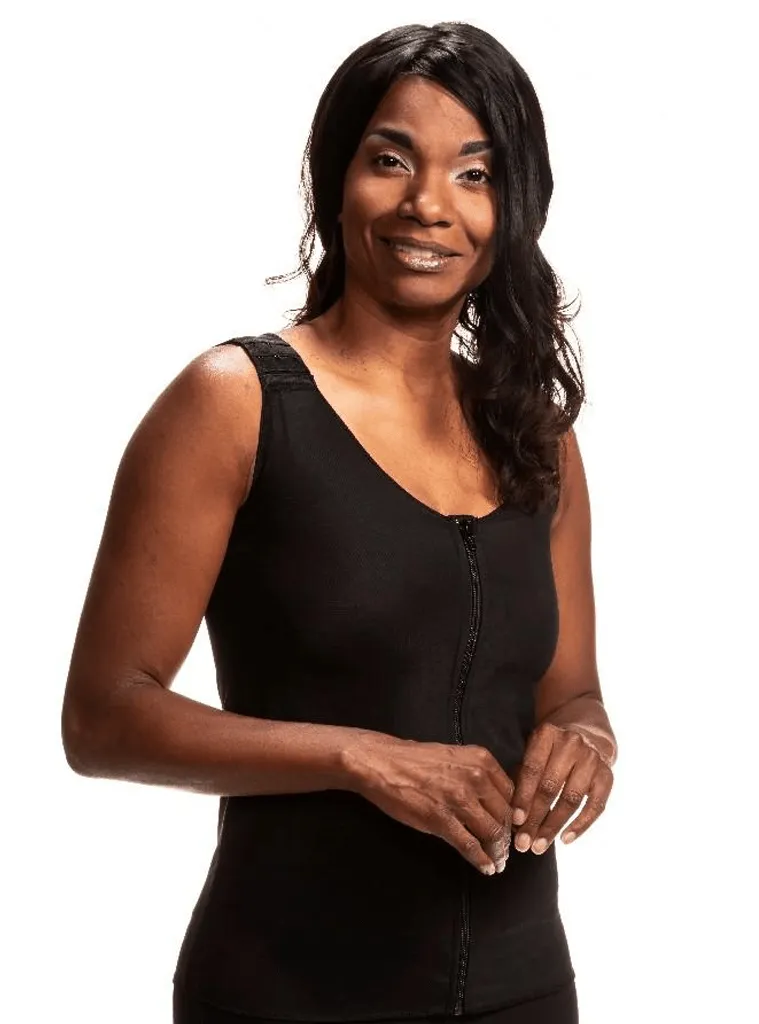
A compression vest is the most versatile starting point in men's shapewear, designed to smooth the chest, flatten the midsection, and support the back all at once. Whether you are dressing for a job interview, a wedding, or simply want a cleaner silhouette day to day, the right garment makes a real difference. This guide covers how each style works, how to pick the right size, and how to get the most out of Shapewear USA's men's range.
What Is a Compression Vest and How Does It Work?
A compression vest is a fitted upper-body garment made from elastic, compressive fabric that wraps the torso from shoulder to waist (or hip). It applies gentle, graduated pressure to:
- Smooth chest tissue, often called "moobs" or gynecomastia-related fullness
- Flatten and firm the abdomen
- Encourage upright posture by lightly bracing the mid-back
- Reduce visible bulk under dress shirts, suits, or fitted tees
The garment works through fabric tension alone, no boning, no rigid panels. Most styles are seamless or low-profile enough to disappear under a standard dress shirt.
Compression Vest vs. Girdle Male: Which One Do You Need?
Men's shapewear broadly splits into two categories: upper-body vests and lower-body girdles. Here is a quick comparison to help you choose:
| Style | Coverage | Best For |
|---|---|---|
| Compression vest | Chest, abdomen, waist | Smoothing torso, posture support |
| Girdle male | Waist, hips, thighs | Trimming the midsection and upper legs |
| Mens shapewear (full-body) | Chest to thigh | Complete silhouette control |
Key takeaway: If your main concern is chest or upper-belly definition, start with a compression vest. If you want to slim the waist and hips together, a girdle male is the stronger choice. Many men eventually own both and layer based on the outfit.
Sizing Men's Shapewear: Getting It Right the First Time
Poor fit is the number-one reason shapewear fails. Follow these shapewear size guide tips before you order:
- Measure at the fullest point of the chest, natural waist, and hips (not where you wish they were).
- Go by the size chart, not your clothing size. Shapewear sizing runs differently across styles.
- Expect firm compression. The garment should feel snug but you should be able to breathe normally and move without restriction.
- Check the length. A vest that is too short will ride up and roll; too long and it bunches at the waist.
- Consider your build. Broader shoulders or a larger chest may need a size up even if the waist measurement says otherwise.
If you are between sizes, size up for all-day wear and size down only for short events where maximum compression matters more than comfort.
Materials and Construction: What to Look For
The best mens compression shapewear uses a blend of nylon and spandex (or lycra). Here is what each element contributes:
- Nylon: Lightweight, smooth against skin, moisture-wicking for all-day wear
- Spandex/Lycra: Provides the stretch and recovery that creates compression
- Flat-lock seams: Prevent chafing under clothes
- Breathable panels: Mesh zones at the back or sides reduce heat build-up
Avoid garments with thick overlocked seams at the chest or sides, as these create visible lines under fitted clothing.
Post-Surgery and Medical Use: Fajas for Men
Men recovering from procedures such as liposuction, gynecomastia surgery, or abdominal surgery often need a more structured garment. A faja post surgery provides firmer, graduated compression designed to reduce swelling, support healing tissue, and shape results as the body recovers.
A standard faja shaper can also serve as everyday shapewear once recovery is complete, offering a higher compression level than most off-the-rack vests.
Important: Always follow your surgeon's recommendation on compression level and when to begin wearing shapewear post-procedure. These products complement medical advice, they do not replace it.
Who Benefits from Men's Shapewear?
Men's shapewear is not one-size-fits-all in terms of lifestyle. Here are the most common use cases:
- Formal occasions: Suits and dress shirts show every contour; a compression vest creates a cleaner line instantly.
- Weight-loss journey: Shapewear provides motivation and a smoother look while you work toward longer-term goals.
- Post-surgery recovery: A faja post surgery or medical-grade faja supports healing and shapes results.
- Active use: Some men wear a light compression vest during low-impact activity for posture support, though this is different from a sport-specific compression shirt.
- Everyday confidence: There is no special occasion required. If it makes you feel better in your clothes, that is reason enough.
It is also worth noting that Shapewear USA stocks a broad range beyond men's styles, including maternity shapewear and thong shapewear for women, so the store is a one-stop option for couples or families shopping together.
How to Care for Your Compression Vest
Compression fabric degrades faster than regular clothing if washed incorrectly. Follow these steps to extend its life:
- Hand wash or use a mesh laundry bag on a delicate machine cycle
- Use cold water and a gentle detergent free from bleach or fabric softener (softener breaks down elastane)
- Never tumble dry. Heat destroys the elastic fibers that create compression
- Lay flat or hang to dry away from direct sunlight
- Rotate between two garments if you wear shapewear daily, so each piece fully recovers its shape overnight
With proper care, a quality compression vest should maintain its compression for many months of regular use.
Where to Buy and How to Save
Shapewear USA carries the full men's range discussed in this guide, from the everyday compression vest to the structured girdle male and recovery-grade fajas. Before you check out, grab the current discount code for 10% off sitewide, which applies to men's and women's styles alike.
If you are unsure which style suits your goals, start with the mens shapewear category page to compare options side by side, then check the latest pricing and the active code before adding to cart.
 Shopping at Shapewear USA? See today's verified Shapewear USA discount code
Frequently asked questions
What is the difference between a compression vest and a regular undershirt?
A compression vest uses high-stretch elastic fabric engineered to apply consistent pressure across the chest and abdomen, actively smoothing and shaping the torso. A regular undershirt is cut from low-tension jersey that simply covers the skin without any shaping effect.
How tight should a girdle male fit?
A girdle male should feel firmly snug when you put it on, but you should be able to take a full deep breath, sit down comfortably, and move without the fabric digging into the skin. If you notice numbness, difficulty breathing, or deep red marks after short wear, size up.
Can men wear a faja post surgery for everyday shapewear once healed?
Yes, many men transition from a post-surgery faja to everyday use once their surgeon clears them. Post-surgery fajas typically offer higher compression than standard vests, so some men prefer them for maximum definition, while others find a lighter compression vest more comfortable for all-day wear.
Is mens compression shapewear visible under a dress shirt?
A well-fitted compression vest with flat-lock seams and a smooth outer surface should be invisible under most dress shirts. Avoid styles with thick seams at the chest or printed logos, and choose a color close to your skin tone for the best result under light-colored fabrics.
Does Shapewear USA offer a discount code for men's shapewear?
Yes, Shapewear USA currently has an active sitewide discount available on their coupon page, which covers men's styles including compression vests and girdles. Check the store page for the current code and any free shipping thresholds before ordering.
How often should I replace my compression vest?
With proper cold-water washing and air drying, a quality compression vest typically maintains effective compression for several months of regular wear. Signs it needs replacing include visible fabric pilling, stretched-out waistbands, or noticeably reduced compression compared to when it was new.