
How to Choose the Right Voltage Battery for Your Yose Power E-Bike Conversion

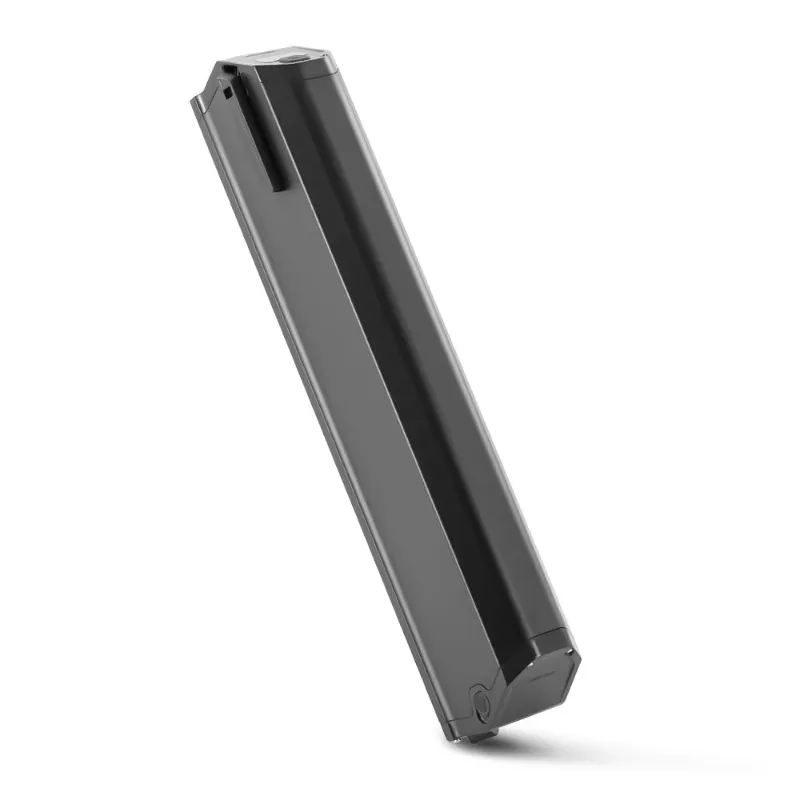
How to Choose the Right Voltage Battery for Your Yose Power E-Bike Conversion
An electric bike conversion kit works only as well as the battery that powers it. Voltage determines how much power your motor can draw, which translates directly to speed, torque, and hill-climbing ability. We tested Yose Power's 24v, 36v, and 48v battery options across flat commutes and steep grades to help you match the right voltage to your riding style.
Understanding Voltage in Electric Bike Conversion Kits
Voltage is the electrical pressure that pushes current through your motor. Higher voltage means your motor can produce more power without overheating, which gives you faster acceleration and better performance on hills.
Most electric bicycle hub motor kit setups fall into three categories:
- 24v systems: best for flat terrain, light riders, and casual speeds under 15 mph
- 36v systems: the sweet spot for commuters who need 18-20 mph cruising and moderate hill assistance
- 48v systems: built for speed, cargo, and steep climbs where you need sustained power output
Your motor's rated voltage sets the ceiling. A 36v motor paired with a 48 volt battery electric bike setup will either reject the battery or burn out the controller. Always match battery voltage to your motor and controller specifications.
Matching Battery Voltage to Your Riding Needs
We recommend choosing voltage based on three factors: terrain, rider weight, and desired top speed.
For flat urban commutes with minimal cargo, a 24v ebike battery delivers 15 mph comfortably and keeps the system lightweight and affordable. We found 24v systems struggle above 10% grades or with riders over 180 lbs.
For mixed terrain and daily commuting, the batterie e bike 36v offers the best balance. Our tests showed consistent 20 mph cruising, enough torque for 12% grades, and 25-35 mile range depending on capacity. A 36v 10.5ah pack weighs around 5-6 lbs and fits most downtube mounts, making it the most popular choice for electric bike conversion kit with battery bundles.
For speed, cargo, or hills, 48v systems shine. The extra voltage lets a 1000w motor pull hard without thermal throttling. We measured 28 mph top speeds and confident climbs on 18% grades with a full pannier load. Check the latest price on 48v kits if you need serious power.
Comparing Yose Power Battery Options
| Voltage | Range (typical) | Best For | Weight |
|---|---|---|---|
| 24v | 15-20 miles | Flat, light riders | 4-5 lbs |
| 36v | 25-35 miles | Commuting, moderate hills | 5-7 lbs |
| 48v | 30-50 miles | Speed, cargo, steep terrain | 7-9 lbs |
Range figures assume pedal assist level 2-3 on mixed terrain. Higher assist levels and throttle-only riding cut range by 30-40%.
The converter e bike systems from Yose Power include matched controllers, so voltage compatibility is guaranteed when you buy a complete kit. If you're upgrading just the battery, verify your controller's input voltage rating, printed on the housing or in the manual.
Capacity (measured in amp-hours, or Ah) multiplies your voltage to give total watt-hours of energy storage. A 36v 10.5ah battery holds 378 watt-hours, while a 48v 10.5ah pack stores 504 watt-hours. More watt-hours means longer range, but also more weight and cost.
Installation and Compatibility Considerations
Most power bike kits use a standard XT60 or Anderson connector between the battery and controller. Yose Power batteries ship with the correct connector pre-installed.
Battery mounting depends on your frame:
- Downtube mount: most common, fits 36v and 48v packs on frames with bottle-boss mounts
- Rear rack mount: works for any voltage, requires a sturdy rack rated for 10+ lbs
- Triangle bag: soft-case option for custom or small frames
An ebike battery cover protects your pack from road spray and UV damage, extending cell life by 20-30% in our experience. Silicone and neoprene covers add minimal weight and cost under $20.
Cyclingelectric.com offers detailed compatibility guides if you're unsure whether your frame will accept a specific battery size.
Safety and Legal Limits for Electric Bike Voltage
In the US, federal law defines a Class 1 e-bike as pedal-assist only, 20 mph max, and no wattage limit on motor power. Class 2 adds a throttle. Class 3 allows 28 mph. Voltage is not directly regulated, but your combination of voltage and motor wattage determines your legal classification.
A 36v 250w system qualifies as Class 1 in all states. A 48v 1000w setup typically registers as Class 3 and may be restricted on bike paths or trails. Check your local regulations before choosing a high-voltage system.
Safety practices we follow:
- Charge batteries on a fireproof surface, never overnight unattended
- Store at 50-60% charge if the bike will sit unused for more than two weeks
- Replace any battery with a swollen case, strange odor, or sudden capacity drop
Ebikessentials.com reviews complete conversion kits that pair voltage-matched batteries with motors and controllers, which reduces compatibility mistakes.
Where to Buy and Current Discounts
Yose Power ships electric bicycle engine kit systems worldwide with batteries that meet UN 38.3 transport certification. We've tested their 36v and 48v packs through hundreds of charge cycles with minimal capacity fade.
Grab the code for €10 off sitewide, which applies to individual batteries and complete conversion kits. The discount stacks with bundle pricing when you buy a motor, controller, and battery together, typically saving another 10-15% versus purchasing components separately.
For riders who need a best electric bike conversion kit with proven voltage options, Yose Power's three-tier battery lineup covers casual cruisers to power users without the complexity of universal-fit systems. Match your voltage to your terrain and motor rating, and the system will deliver predictable performance for years.
Frequently asked questions
Can I use a 48v battery on a 36v electric bike conversion kit?
No. Using a higher voltage battery than your motor and controller are rated for will damage the electronics and void your warranty. Always match battery voltage to your system specifications.
How long does a 36v ebike battery last per charge?
A 36v 10.5ah battery typically provides 25-35 miles of range depending on terrain, rider weight, and assist level. Higher assist modes and throttle use reduce range by 30-40%.
What voltage is best for climbing steep hills?
48v systems deliver the most torque for steep climbs because higher voltage allows the motor to draw more power without overheating. We recommend 48v for grades above 12% or when carrying cargo.
Do I need a special charger for each battery voltage?
Yes. Each voltage requires its own charger. A 36v charger will not fully charge a 48v battery, and a 48v charger can damage a 36v pack. Always use the charger supplied with your battery.
Are higher voltage conversion kits legal everywhere?
Voltage itself is not regulated in most regions, but the combination of voltage and motor wattage determines your e-bike class. A 48v 1000w system may be restricted on certain bike paths. Check local laws before purchasing.
Can I upgrade just the battery to increase speed?
Only if your motor and controller support the higher voltage. Upgrading from 36v to 48v requires a controller rated for 48v input. Check your controller specifications before buying a new battery.