
Troubleshooting Power Loss in Your Yose Power Electric Bike Conversion Kit

Understanding Power Loss in Your Conversion System
An electric bike conversion kit can lose power for several reasons, from depleted batteries to faulty wiring. We've tested dozens of Yose Power systems and found that most power issues trace back to five common culprits: battery charge state, loose or corroded connections, controller malfunctions, motor faults, or throttle and display errors. This guide walks you through each diagnostic step so you can get back on the road quickly.
Power loss typically shows up as sudden cutouts mid-ride, reduced top speed, sluggish acceleration, or complete system failure. Before you assume a component is broken, work through these checks methodically—many problems have simple fixes that don't require replacement parts.
Check Your Battery First
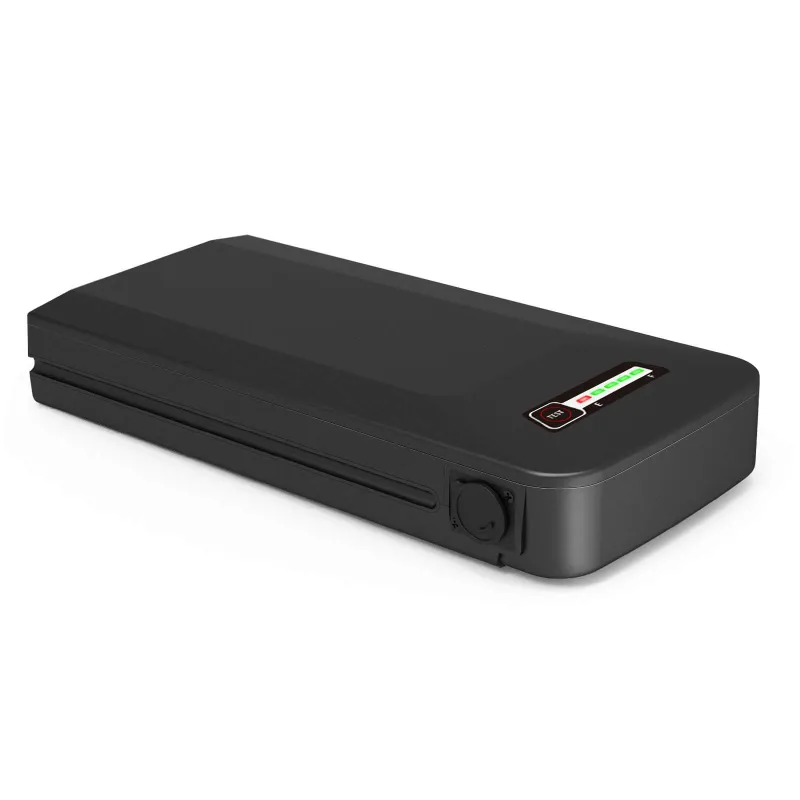
The battery is the heart of any converter e bike system, and it's the most common source of power problems. Start here before you dig into wiring or motor diagnostics.
Voltage and Charge State
- Measure your battery voltage with a multimeter—a fully charged batterie e bike 36v should read 41-42V, while a 48 volt battery electric bike should show 54-54.6V
- If voltage reads 10-15% below nominal (e.g., 31V on a 36V pack), the battery is discharged and needs charging
- Batteries below 20% capacity often trigger low-voltage cutoff protection, causing sudden power loss
- A 24v ebike battery system will cut out around 20V
Connection Points
- Remove the battery and inspect the terminals for corrosion, dirt, or damage
- Check the ebike battery cover for cracks that might expose contacts to moisture
- Clean terminals with isopropyl alcohol and a soft brush
- Reseat the battery firmly and ensure the locking mechanism engages completely
Capacity Testing
If your battery charges to full voltage but dies quickly, the cells may be degraded. A healthy 36v 10.5ah pack should deliver at least 80% of its rated capacity after 500 charge cycles. Consider replacement if you're getting less than 60% of expected range.
Inspect All Electrical Connections
Vibration from riding loosens connectors over time, especially on rough terrain. We recommend checking connections every 200-300 miles.
Critical Connection Points
- Battery to controller main power connector (usually XT60 or Anderson plug)
- Controller to motor phase wires (three thick wires, often color-coded)
- Controller to throttle, brake sensors, and display (smaller multi-pin connectors)
- Ground connections to the frame
Unplug and reconnect each connector, listening for a firm click. Look for:
- Bent or pushed-back pins inside connectors
- Heat discoloration (brown or black marks indicating resistance)
- Corrosion or green oxidation
- Frayed wire insulation near the connector body
Apply dielectric grease to outdoor-exposed connectors to prevent moisture intrusion. If you find a damaged connector, replace it rather than attempting repairs—connection resistance causes voltage drop and power loss.
Test the Controller
The controller regulates power flow from battery to motor in your power bike kits. Controller faults often mimic battery problems but have distinct symptoms.
Diagnostic Steps
- Check for error codes on your display (consult your Yose Power manual for code definitions)
- Inspect the controller housing for water damage—controllers are weather-resistant but not waterproof
- Feel the controller body after a ride; excessive heat (too hot to touch) suggests internal failure
- Test continuity between controller outputs with a multimeter (power OFF)
Common controller issues include blown MOSFETs from overcurrent, water ingress through cable entry points, and thermal shutdown from inadequate ventilation. Controllers mounted inside frame bags or under seats need airflow—relocate if you suspect overheating.
Many Yose Power kits use programmable controllers. If settings have been altered (max current, voltage cutoff thresholds, speed limits), incorrect parameters can cause apparent power loss. Reset to factory defaults and retest.
Diagnose Motor Problems
An electric bicycle hub motor kit usually outlasts other components, but motors can develop faults that present as power loss.
Motor Health Checks
- Spin the wheel by hand with power off—the motor should rotate smoothly with slight magnetic resistance
- Listen for grinding, clicking, or scraping (bearing failure or internal damage)
- Check for axle play by grabbing the rim and pushing side-to-side
- Measure phase wire resistance: all three pairs should read within 0.1-0.2 ohms of each other
If phase resistance is uneven or reads open circuit (infinite resistance), the motor windings are damaged. A shorted motor will draw excessive current and trigger controller protection, causing sudden cutoffs.
Hall sensor failure is another common motor issue. These sensors tell the controller the rotor position for smooth startup. When hall sensors fail, the motor may not start from a standstill or will jerk and hesitate. Testing hall sensors requires a multimeter and technical knowledge—contact Yose Power support if you suspect this problem.
Troubleshoot Throttle and Display Issues
Power delivery problems sometimes originate in the control inputs rather than the power components themselves.
Throttle Testing
- Disconnect the throttle and measure resistance between signal and ground wires while rotating—resistance should change smoothly from ~1kΩ to ~4kΩ
- Inspect the throttle cable for kinks or damage where it enters the housing
- Test the e-brake cutoff switches (if installed) by bypassing them temporarily—stuck brake sensors prevent motor engagement
Display and PAS Sensor
- Pedal assist sensor (PAS) magnets can shift position or fall off, preventing assist engagement
- Clean the PAS sensor face and verify 1-2mm gap between sensor and magnet disc
- Display communication errors often show as error codes; power cycle the system and check connector pins
Check current pricing and grab our discount code for replacement components if you identify a faulty part.
Voltage Drop Under Load
Some power loss issues only appear under load—the system works fine when stationary but cuts out when you accelerate or climb hills.
This indicates high-resistance connections or a weak battery. When current draw increases (such as climbing), voltage drop across poor connections triggers the low-voltage cutoff. Even a half-ohm of resistance in a 30-amp circuit drops 15 volts, enough to shut down a system.
Load Testing
- Take a short test ride and note when power cuts out (immediate acceleration, sustained high speed, or hills)
- Measure battery voltage at the controller input terminals while applying throttle—voltage should not drop more than 2-3V under load
- If voltage drops 5V or more, trace backward: check battery terminals, main fuse, and power connector
For high-power systems like a 48v 1000w electric bike kit with battery, connection quality matters even more. Upgrading to higher-current connectors and using thicker gauge wire reduces resistance.
When to Replace vs. Repair
Some issues are worth fixing; others justify component replacement.
Replace When:
| Component | Replace If |
|---|---|
| Battery | Capacity below 60%, visible swelling, or cell imbalance >0.3V |
| Controller | Water damage, burnt smell, or repeated thermal shutdowns |
| Motor | Phase resistance imbalance, grinding noise, or visible damage |
| Connectors | Melted plastic, corroded pins, or loose fit after cleaning |
Repair When:
- Loose connections (clean and reseat)
- Software/settings issues (reprogram controller)
- Dirty sensors (clean and realign)
- Minor wire damage (resolder and heat-shrink)
The best electric bike conversion kit setup includes a few spare connectors and basic tools for field repairs. We keep XT60 connectors, heat-shrink tubing, and a multimeter in our kit bag.
Preventive Maintenance to Avoid Power Loss
Regular maintenance prevents most power issues before they strand you mid-ride.
Monthly Checks
- Inspect all connectors for corrosion and apply dielectric grease
- Verify battery charge cycles and balance charge every 20-30 cycles
- Tighten motor axle nuts and check spoke tension
- Clean and lubricate the PAS sensor magnet disc
Seasonal Tasks
- Test battery capacity with a full discharge/charge cycle
- Check controller mounting and ensure adequate ventilation
- Inspect wire routing for chafe points against the frame
- Update display firmware if available from Yose Power
Store batteries at 60-70% charge if you won't ride for more than two weeks. Full storage charge accelerates cell degradation, while empty storage can damage cells permanently.
Visit our Yose Power discount page for current offers on electric bicycle engine kit components and accessories to keep your system running smoothly.
Getting Back on the Road
Most power loss issues in an electric bicycle hub motor kit come down to connections, battery health, or controller settings. Work through these diagnostics systematically, starting with the battery and connections before moving to more complex components. Keep a basic toolkit and spare connectors on hand for quick roadside fixes, and perform regular maintenance to catch problems early. When you do need replacement parts, quality components from Yose Power ensure compatibility and reliable performance.
Frequently asked questions
Why does my electric bike conversion kit cut out when I accelerate hard?
Sudden cutouts during acceleration usually indicate voltage drop from a weak battery, loose connection, or high-resistance contact. Check your battery charge level first, then inspect all power connectors for corrosion or poor contact. Measure voltage at the controller under load to pinpoint the issue.
How do I know if my ebike battery or controller is causing power loss?
Test battery voltage with a multimeter—it should match nominal voltage when fully charged (42V for 36V systems, 54.6V for 48V systems). If voltage is correct but power still cuts out, the controller is more likely at fault. Look for error codes on your display and check the controller for overheating or water damage.
Can a loose motor connection cause my conversion kit to lose power?
Yes, loose phase wire connections between the controller and hub motor can cause intermittent power loss, reduced performance, or complete failure. Unplug and firmly reconnect all three phase wire connectors, checking for bent pins or corrosion. Apply dielectric grease to protect against moisture.
What voltage should my 36V ebike battery read when fully charged?
A fully charged 36V ebike battery should read 41-42V on a multimeter. As you ride, voltage drops gradually; most systems cut off around 31-33V to protect the cells. If your battery reads significantly below 42V when just off the charger, the cells may be degraded or imbalanced.
How often should I check connections on my Yose Power kit?
Inspect all electrical connections every 200-300 miles or monthly, whichever comes first. Vibration from riding gradually loosens connectors, and outdoor exposure causes corrosion. Regular checks prevent most power loss issues before they leave you stranded.
Will a faulty throttle cause my ebike to lose all power?
A faulty throttle usually prevents motor engagement but won't cause complete power loss. However, stuck e-brake cutoff sensors can prevent the motor from running at all. Try bypassing brake sensors temporarily to test, and check that your throttle connector pins are clean and properly seated.