
How to Use Salty Captain Cleaning Salt Water and Vehicle Wash Liquid to Remove Salt From Your Car

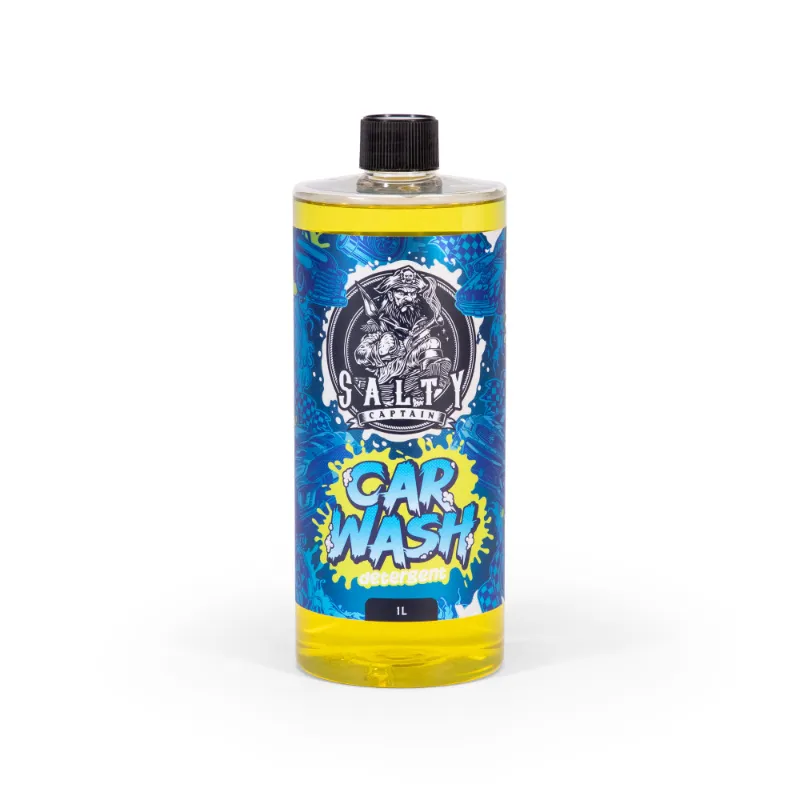
Cleaning salt water from a car is mostly about dissolving and flushing salt before it dries into seams, chassis rails, brakes, and paint edges, then washing with a proper surfactant like Salty Captain vehicle wash liquid. For beach drivers, boat ramp users, 4WD owners, and anyone parking near sea spray, the most useful Salty Captain setup is the Cleaning Water, Wash Liquid, and Chassis Flusher, with a microfibre towel and lanolin spray for finishing and protection.
Why Cleaning Salt Water Matters After Beach Driving
Salt does not need much time to start causing problems. Once seawater dries, it leaves mineral crystals behind, and those crystals can sit in panel gaps, underbody mounts, suspension components, tow bars, and around fasteners. Add moisture later and the corrosion cycle starts again.
That is why the first job is not polishing. It is dilution and removal.
Use a rinse-first approach when your car has been exposed to:
- Beach tracks and soft sand
- Boat ramps and jet ski launches
- Coastal parking where sea spray lands on paint
- Wet roads near tidal zones
- Salt-covered camping gear packed against trim or panels
This is different from general household advice about saltwater cleaning. Even resources that explain salt as a cleaning ingredient, such as this guide to salt water for cleaning, are talking about controlled indoor use, not leaving salt residue on steel, alloy, rubber, and electrical connectors. On a vehicle, salt is something to remove, not something to leave behind.
Salty Captain Products To Use For Salt Removal
For most owners, the cleanest setup is a wash-and-flush routine built around cleaning salt water, vehicle wash liquid, and the salt shift chassis flusher. You can buy individual products, or use a car cleaning kit if you want the main wash gear in one order.
| Product | Best Use | Why It Matters |
|---|---|---|
| Cleaning Water | Salt residue and post-beach rinsing | Helps target salt contamination before the contact wash |
| Vehicle Wash Liquid | Paint, glass, trims, and exterior panels | Lifts road film and grime after the salt rinse |
| Salt Shift Chassis Flusher | Undercarriage, rails, suspension, tow points | Reaches areas a normal hose spray misses |
| Lanolin Spray | Metal protection after cleaning | Adds a protective film to vulnerable areas |
If you are checking current pricing or using the sitewide offer, we keep the Salty Captain code page updated so you can check the latest price before buying.
How To Wash A Salt-Exposed Car Step By Step
Start as soon as practical after exposure. You do not need to panic at the beach carpark, but it is better to rinse the same day than to let salty moisture dry and re-wet for a week.
- Park in shade if possible
Direct sun makes wash products dry too quickly. Work on cool panels where you can.
- Rinse loose sand first
Use clean water to remove sand from paint, wheel arches, side steps, roof racks, and tray areas. Sand can scratch if you drag it under a mitt.
- Apply the salt-focused rinse
Use Salty Captain Cleaning Water according to the label directions. Focus on lower panels, grille openings, rear bumper cavities, wheels, and areas where water drains and collects.
- Flush the underbody
Connect and run the chassis flusher under the vehicle slowly, giving it time to reach rails, crossmembers, suspension mounts, and the rear underside. Do not forget tow bars, recovery points, brake backing areas, and trailer plug zones.
- Wash with vehicle wash liquid
Use the Wash Liquid as your contact wash after the rinse stage. A proper car wash liquid is designed for automotive paint and trim, unlike household detergents that can strip protection or leave residue.
- Rinse thoroughly
Rinse from top to bottom, then spend extra time on the underside and wheel arches. Salt left behind in one hidden pocket can keep attracting moisture.
- Dry with a microfibre towel
Use a clean microfibre towel for paint and glass. Drying helps prevent water spots and lets you inspect for leftover grime.
Where The Chassis Flusher Beats A Standard Hose
A hose is fine for paint and wheel arches, but underbody cleaning needs angle and reach. The salt shift chassis flusher is useful because it pushes water upward across the underside as you move it along the car.
Use it slowly under:
- Front crossmembers
- Rear diff and axle areas
- Chassis rails
- Rock sliders and side steps
- Tow bars and hitch receivers
- Skid plates and bash plates
- Trailer and boat ramp splash zones
If your vehicle has bash plates, do a second pass from different angles. Plates can shield the exact places that trap salty water and sand.
This is also where pool-related search advice can confuse the issue. Terms like salt cell cleaning cap, how to clean salt cell with vinegar, and salt water pool maintenance kit belong to chlorinator and pool maintenance tasks, not automotive salt removal. If you are dealing with a pool, a specialist explainer like How to Clean a Pool Salt Cell is the right context. If you are dealing with a car, flush the vehicle with automotive-safe gear and follow the product label.
Cleaning Salt Water From Paint, Wheels, And Trim
The safest routine is rinse, wash, rinse again, then dry. That order matters because it reduces the chance of grinding salt and sand into the paint.
For painted panels:
- Pre-rinse until loose grit is gone
- Use a wash mitt with vehicle wash liquid
- Work from clean upper panels to dirtier lower panels
- Rinse the mitt often
- Dry with a dedicated towel, not a beach towel or old bath towel
For wheels and tyres:
- Rinse brakes and wheel barrels carefully
- Avoid blasting high pressure directly into sensitive electrical areas
- Clean tyres after the salt rinse
- Use tyre shine only after the tyre is clean and dry enough for the product directions
For trim and accessories:
- Rinse roof racks, awnings, bull bars, and light mounts
- Open tailgates, tray lids, and storage boxes where saltwater may have splashed
- Check number plate brackets and fasteners
If paint still feels rough after washing, a clay bar can help remove bonded contamination, but it should not be your first move after a beach trip. Wash and decontaminate first, then clay only when the surface needs it.
When To Use Lanolin Spray After Washing
Lanolin spray is not a substitute for washing. Think of it as a protection step after you have removed salt, sand, and grime. It is most useful on underbody metal, brackets, hinges, exposed fasteners, trailer parts, and other areas that see repeated coastal exposure.
A sensible routine is:
- Wash and flush the vehicle first
- Let key areas drain and dry as directed
- Apply lanolin spray to suitable metal surfaces
- Avoid brake rotors, tyre tread, belts, and surfaces where slipperiness is a problem
- Reapply based on use, weather, and the product label
If you regularly launch boats or drive on beaches, this protection step can be the difference between a car that simply gets dirty and a car that starts collecting corrosion around hardware and welds.
Car Cleaning Kit Vs Individual Products
If you already own buckets, mitts, towels, and sprayers, individual products may make more sense. If you are starting from scratch, a vehicle wash kit or car wash kit can be the simpler path because the core gear is matched for the job.
| Buyer Type | Better Pick | Why |
|---|---|---|
| First-time beach driver | Vehicle wash kit | Easier way to get the main wash basics together |
| Regular boat ramp user | Cleaning Water plus chassis flusher | Underbody salt removal is the priority |
| 4WD owner with existing gear | Wash Liquid and lanolin spray | Adds cleaning and protection to an existing setup |
| Detail-focused owner | Wash Liquid, microfibre towel, clay bar | Better finish after the salt is removed |
For the latest bundle availability and any active Salty Captain discount, grab the code before checkout.
Common Mistakes To Avoid
The biggest mistake is treating salt exposure like ordinary dirt. It is not just about making the car look clean. The hidden underside, joins, and fasteners matter more than the glossy panels.
Avoid these shortcuts:
- Washing only the paint and skipping the chassis
- Letting saltwater dry for days before rinsing
- Using dish soap instead of automotive wash liquid
- Dragging sandy towels or mitts across paint
- Applying protection over salt residue
- Forgetting trailers, recovery gear, roof racks, and underbody plates
Also avoid mixing advice from unrelated salt topics. Salt water pool maintenance cost, salt water pool maintenance for beginners, a saltwater pool maintenance guide, or a salt water pool maintenance guide pdf can be useful for pool owners, but they are not vehicle care instructions.
A good car routine is simple: rinse heavily, clean with the right wash liquid, flush the chassis, dry the finish, and protect vulnerable metal when needed. That gives salt fewer places to sit and far less time to do damage.
Frequently asked questions
What is the best way to handle cleaning salt water off a car?
Use an automotive salt-removal rinse first, then wash with vehicle wash liquid and flush the underbody. The main goal is to dissolve and move salt out of seams, rails, and brackets before it dries and keeps attracting moisture.
Do I still need a salt shift chassis flusher if I use vehicle wash liquid?
No. Vehicle wash liquid cleans paint and exterior grime, while the chassis flusher reaches the underside where salt often sits after beach driving or boat ramp use.
When should I apply lanolin spray after a beach trip?
Use it after the vehicle has been washed, flushed, and allowed to dry as directed on the product label. Do not spray it on brake rotors, tyre tread, belts, or surfaces where a slippery coating would be unsafe.
Is a car cleaning kit better than buying Salty Captain products separately?
A car cleaning kit is useful if you are starting with limited wash gear. If you already have towels, buckets, and mitts, you may only need Cleaning Water, Wash Liquid, and a chassis flusher.
Can I wait a few days before washing salt off my car?
It is better to rinse as soon as practical, ideally the same day. If that is not possible, do a thorough rinse and underbody flush at the first opportunity rather than only washing the visible paint.