
Salty Captain Salt Shift vs Salt Shift Chassis Flusher: Which One Do You Need After Beach Driving?

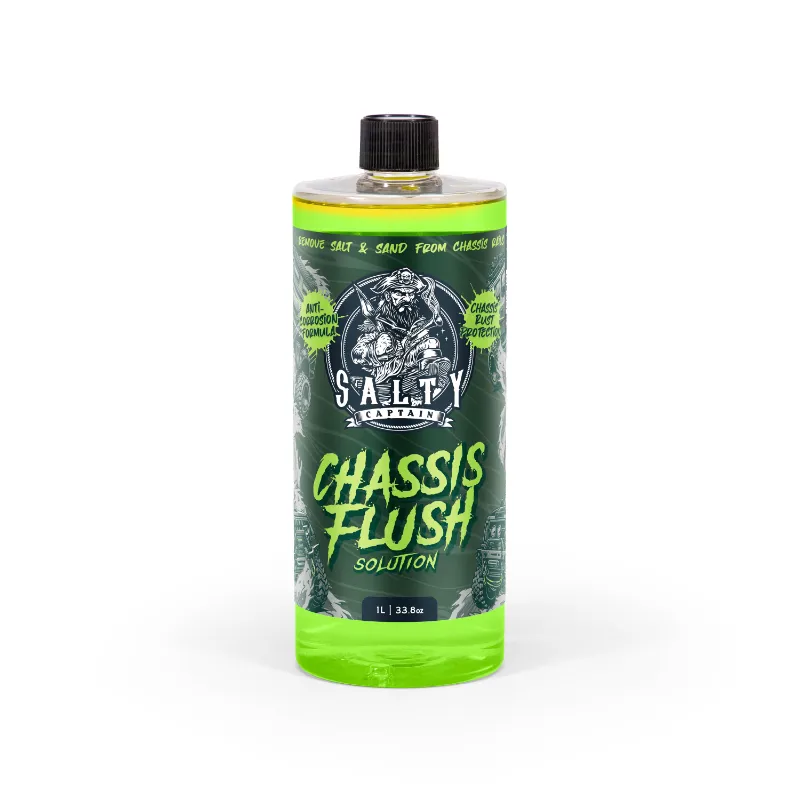
The salt shift chassis flusher is the better pick if your main problem is salt trapped under a 4x4 after beach driving, while Salty Captain Salt Shift wash products make more sense for paint, panels, wheels, and general exterior rinsing. In practice, most beach drivers need both jobs covered: flush the underbody first, then wash the visible surfaces with a salt-focused vehicle wash liquid or kit. If you are choosing one first, start with the part of the vehicle that gets the most salt exposure and is hardest to inspect.
Salt Shift Chassis Flusher vs Salt Shift Wash: The Simple Difference
Salty Captain's underbody flusher and Salt Shift-style wash products solve related problems, but they are not interchangeable.
The salt shift chassis flusher is a chassis cleaner flusher designed to send water across the underside of the vehicle. That matters after sand driving, boat ramp launches, coastal tracks, and wet beach exits where salty water can sit around rails, crossmembers, bash plates, suspension mounts, and other awkward areas.
Salt Shift wash products, including cleaning salt water and vehicle wash liquid, are for the exterior wash stage. They help remove salt residue from panels, glass, wheels, trays, bars, and accessories. That is the part most drivers see, but it is not the only part that needs attention after beach use.
Use this basic split:
- Choose a flusher for the underbody, chassis rails, and hard-to-reach lower areas.
- Choose a wash product for panels, wheels, glass, canopy surfaces, and accessories.
- Choose a vehicle wash kit if you want the wash liquid, application tools, and drying gear in one setup.
- Add protection products after the vehicle is clean and dry, not before flushing salt out.
For current pricing or coupon details, check our Salty Captain page before ordering: grab the code.
When You Need the salt shift chassis flusher
You should prioritise the underbody flusher if your vehicle regularly drives through salt water, wet sand, tidal crossings, or beach access tracks where spray hits the underside. A normal hose rinse can help, but it often misses the places you cannot see from standing height.
This is where a 4x4 magnetic chassis flusher style tool earns its place. It is built around access and coverage rather than shine. The goal is not detailing gloss. It is getting fresh water where salt is most likely to sit.
It suits:
- 4x4s used on beaches, islands, and coastal tracks.
- Utes towing boats, jet skis, or trailers at ramps.
- Vehicles with bash plates, lift kits, side steps, trays, or bull bars.
- Drivers who rinse quickly at home after a trip rather than booking a professional underbody clean every time.
- Anyone who can wash the paint easily but struggles to reach the chassis properly.
A flusher is also useful when the vehicle looks clean from above but you know it has been through salt spray. That is the trap with beach driving: the paint can look fine while the underside has collected the worst of it.
When Salt Shift Wash Products Are Enough
If your vehicle only gets light sea spray, salty road grime, or occasional coastal parking residue, a full underbody-focused tool may not be the first thing you buy. In that case, a vehicle wash kit or car wash kit can be the more practical starting point.
A wash kit makes sense when you mainly need to clean:
- Doors, bonnet, roof, and guards.
- Wheels, tyres, and lower panels.
- Roof racks, awnings, recovery boards, and exterior accessories.
- Windows, mirrors, and lights.
- Light salt film from coastal air rather than direct beach driving.
This is also where supporting items matter. A microfibre towel helps reduce water spotting after rinsing, tyre shine is for finishing the sidewalls, and a clay bar is for bonded contaminants when a normal wash is not enough. Those are detailing steps, though. They do not replace an underbody rinse if the vehicle has been in salt water.
If you are building a simple car cleaning kit for coastal weekends, start with wash liquid, a proper wash method, and drying gear. If you are building a beach-driving kit, include an underbody flushing step as well.
Side-By-Side Buyer Comparison
Here is the practical way to choose between them.
| Product type | Best for | Not ideal for |
|---|---|---|
| Chassis flusher | Undercarriage rinsing after beach driving, boat ramps, wet sand, salt spray under the vehicle | Cleaning paint, glass, trim, or wheels by itself |
| Salt Shift wash liquid | Washing visible exterior surfaces after salt exposure | Reaching hidden chassis sections without a dedicated rinse tool |
| Vehicle wash kit | Building a complete exterior wash setup quickly | Drivers who only need a single underbody tool |
| Lanolin spray | Post-clean protection on suitable metal areas | Applying over trapped salt, wet grime, or dirty surfaces |
The key is sequence. Flush first, wash second, dry third, then protect where appropriate. If you apply a coating or spray before removing salt and sand, you can trap contamination where you wanted protection.
For wider context on why underbody flushing tools exist, this overview of a chassis flushing kit is useful background on the category without replacing the product-specific fit checks you should do before buying.
A Beach-Driving Cleaning Routine That Works
A good post-beach routine does not have to be complicated, but it does need to be consistent. Salt removal gets harder when residue dries into tight seams and around hardware.
A practical process is:
- Rinse loose sand from tyres, guards, steps, tow points, and lower panels.
- Use the chassis flusher slowly under the vehicle, giving extra attention to rails, suspension areas, crossmembers, and bash plate edges.
- Wash exterior panels with vehicle wash liquid or a wash kit suited to salt exposure.
- Rinse thoroughly from top to bottom.
- Dry with a clean microfibre towel where practical.
- Once clean and dry, apply lanolin spray only where the product directions say it is suitable.
Do not rush the underside. The visible wash is satisfying, but the underbody is usually where salt hides. Move the flusher methodically rather than waving it around for a quick pass.
If you are restocking before a trip, check the latest price and code details first so you can compare the flusher, wash liquid, and kit options in one place.
What To Buy First For Your Vehicle
Your best first purchase depends on how you actually use the vehicle.
For regular beach driving, buy the underbody flusher first, then add a wash product. That gives you a way to deal with the highest-risk areas immediately. A salt shift chassis flusher review should focus on underbody reach, ease of use, water coverage, and how naturally it fits into a quick post-trip routine, not just how clean the paint looks afterwards.
For occasional coastal use, start with a wash kit or car cleaning kit. If you only see sea mist, road film, or light salt dust, exterior cleaning may solve most of your problem. You can add the chassis tool later if your trips become more serious.
For boat ramp users, prioritise the underbody and rear-end areas. Tow points, hitch hardware, rear suspension, trays, and lower panels often see repeated exposure. Pair flushing with a proper wash, then consider protection once everything is clean.
For detail-focused owners, the wash products, clay bar, microfibre towel, tyre shine, and finishing products matter more. Just keep the order right: remove salt and grit before chasing gloss.
Final Verdict: Which One Belongs In Your Kit?
If you drive on beaches often, the underbody tool is the more important first buy because it reaches the areas a normal exterior wash misses. Salt Shift wash products are still useful, but they handle a different stage of the job.
Our practical recommendation is simple:
- Beach driving or boat ramps: buy the flusher first.
- Coastal grime and light salt film: start with wash liquid or a vehicle wash kit.
- Full 4x4 setup: use both, then add lanolin protection where suitable.
- Detailing setup: add microfibre towel, clay bar, and tyre shine after the cleaning basics are covered.
Before ordering, use our Salty Captain discount page to check the current offer, since the best value can change depending on whether you are buying one product or building a complete wash kit.
Frequently asked questions
When should I use the salt shift chassis flusher?
Use it after beach driving, boat ramp use, tidal crossings, or any trip where salt water or wet sand has reached the underside of the vehicle. It is most useful before the exterior wash, while loose salt and sand are still easier to rinse away.
Does a vehicle wash kit replace a chassis flusher?
Not completely. A wash kit cleans visible exterior surfaces, while the chassis flusher targets the underside and hard-to-reach chassis areas. Regular beach drivers usually benefit from both because they solve different parts of the salt removal job.
Should I apply lanolin spray before rinsing salt off?
No. Lanolin spray should be used after the vehicle is clean and dry, and only on suitable areas according to the product directions. Applying it over salt, sand, or moisture can work against the protection you are trying to create.
Can I just rinse the underside with a normal hose?
A normal hose rinse helps, but it may not reach chassis rails, crossmembers, suspension mounts, and other tucked-away areas well. A dedicated chassis cleaner flusher is designed to make that underbody rinse easier and more consistent.
What is the difference between cleaning salt water products and the flusher?
Use wash liquid for the exterior surfaces and the flusher for the underbody. Wash liquid is for panels, wheels, glass, and accessories, while the flusher is about moving fresh water through the areas you cannot easily clean by hand.