
Salty Captain Lanolin Spray Care Guide: Where to Apply It and What to Avoid

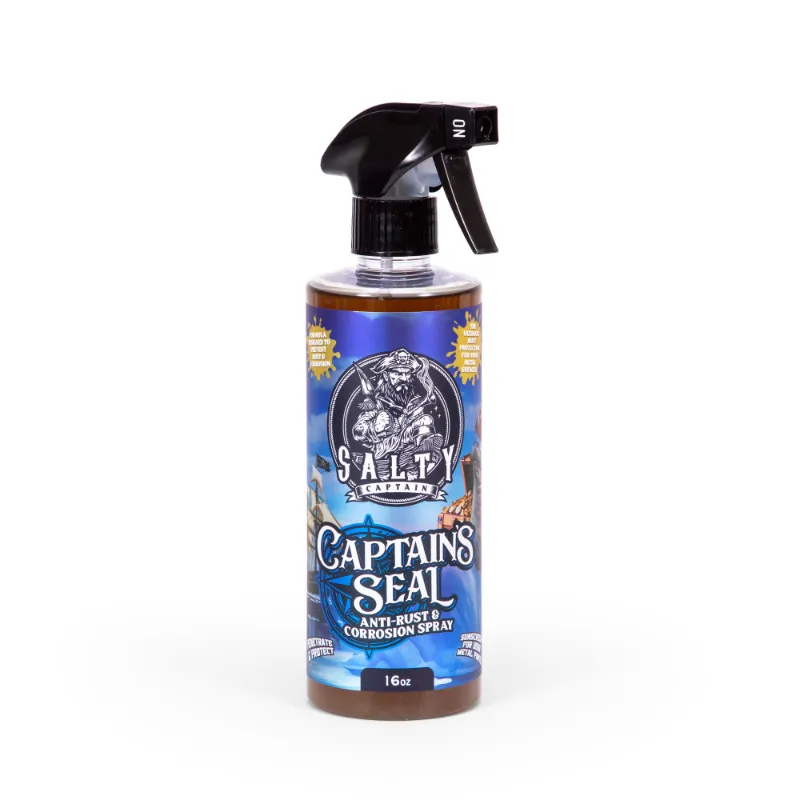
lanolin spray belongs on clean, dry, corrosion-prone metal areas where you want a protective film, not on braking surfaces, belts, tyres, glass, paint you plan to polish, or interior touchpoints. For Salty Captain shoppers, the practical flow is simple: wash off salt first, dry the area, then apply the lanolin spray where moisture and road grime usually sit. If you are buying it with wash gear or waiting for a better cart total, check the latest Salty Captain offer and grab the code before checkout.
Where lanolin spray works best on a vehicle
The best lanolin spray uses are protective, not cosmetic. Think of it as a water-resistant coating for exposed metal and hard-to-reach areas that are regularly hit by salt, boat ramp spray, beach driving residue, winter road grime, or wet storage conditions.
Good application zones include:
- Chassis rails, crossmembers, brackets, and seams
- Suspension arms, leaf springs, shackles, and exposed bolts
- Tow bars, trailer hitches, winch mounts, and recovery points
- Boat trailers, jet ski trailers, and camper trailer underbody sections
- Metal hardware around ute trays, roof racks, and underbody accessories
- Hinges, latches, and non-interior metal moving parts that need light protection
We like it most for four-wheel drives, boat trailers, caravans, tow rigs, and beach cars because those vehicles see the kind of salty moisture that can creep into seams. If you are treating a daily driver, focus on exposed underside hardware rather than spraying everything you can see.
For broader background on why lanolin-based coatings are used for corrosion protection and lubrication, FLUID FILM explains the protective coating concept clearly without needing a chemistry degree.
Wash salt off before applying protection
The most common mistake is spraying over salt, sand, or damp grime. That can trap contamination under the coating, which is the opposite of what you want.
A better prep sequence is:
- Rinse loose sand, mud, and salt from the underside.
- Use a proper wash product to break down residue.
- Flush chassis cavities and awkward areas.
- Let the surface dry properly.
- Apply the protective coating in light, even passes.
- Wipe overspray from areas where film is not wanted.
For a post-beach or boat-ramp routine, pair the salt shift chassis flusher with a wash stage so you are not relying on a quick hose-down. If you are building out your setup from scratch, a car wash kit or vehicle wash kit can make more sense than buying random bottles separately.
Do not overthink the wash chemistry, but do use products intended for vehicles. Household detergents can strip protective finishes and leave surfaces less prepared for the next step. For current bundle pricing or the sitewide code, check the latest price before you order.
What to avoid spraying
A protective coating is only useful when it stays where it belongs. Keep it away from anything that needs friction, visibility, grip, or a clean finish.
Avoid these areas:
- Brake rotors, pads, drums, and calipers: Any oily film near braking components is a safety issue.
- Tyre tread and sidewalls: Use tyre shine only where it is intended, never as a corrosion coating.
- Drive belts and pulleys: Film can attract dirt and cause slip.
- Exhaust components: Heat can create smoke, smell, and residue problems.
- Windscreens, mirrors, lights, and cameras: Even light overspray can smear visibility.
- Paint you plan to polish or ceramic coat: It can interfere with surface prep.
- Interior plastics, pedals, steering wheels, and seats: These should stay clean, dry, and grippy.
- Electrical connectors unless the product label allows it: Do not assume every connector or sensor area is safe.
If overspray lands on paint, glass, or trim, remove it promptly with a suitable cleaner and a clean microfibre towel. A small amount is usually easier to handle right away than after dust has stuck to it.
Lanolin spray for cars vs other uses
Searchers often compare lanolin spray for cars with lanolin spray for wool, lanolin spray for hair, and workshop lubricants. They are not interchangeable just because the base word sounds the same.
| Use case | What matters | Our take |
|---|---|---|
| Vehicle underbody and trailers | Corrosion protection, moisture resistance, metal coverage | Fits Salty Captain’s use case |
| Wool care | Fabric conditioning and lanolin replenishment | Use a textile-specific product |
| Hair care | Cosmetic formulation and skin contact suitability | Do not use automotive sprays |
| Workshop lubrication | Penetration, film strength, part compatibility | Check the product label first |
For example, wool-care products such as Creamy Lanolin Spray from Sheepish Grins are made for fibre care, not beach-driving corrosion protection. Likewise, a heavy-duty hardware-store aerosol may be useful in a shed, but you still need to follow the label for automotive surfaces, ventilation, and cleanup.
The short version: buy the product for the job. If the job is protecting a salty vehicle underside, stay with an automotive-focused product and prep the surface properly.
How much to apply and how often to recheck
More is not automatically better. You want a consistent protective film, not dripping patches that collect sand and dust.
Use these practical checks:
- Apply in thin passes rather than trying to flood the area.
- Start with seams, brackets, bolts, and exposed edges.
- Let the coating settle before driving through dust or sand.
- Recheck high-wash areas after beach trips, pressure washing, or heavy rain.
- Top up worn spots instead of stripping and restarting every time.
A lanolin spray gun can help in some workshop setups, especially where a larger volume or a wand attachment is needed. For most home users treating a tow bar, trailer hardware, or visible underside sections, an aerosol-style product is simpler and cleaner.
If you are treating a vehicle before a beach trip, apply it early enough that the film is not wet and messy when you hit sand. If you are treating after a trip, wash and dry first, then protect.
Best Salty Captain products to pair with it
Lanolin protection works best as the final step in a salt-care routine, not as the whole routine. These are the pairings we would prioritise depending on the vehicle.
| Buyer need | Best match | Why it helps |
|---|---|---|
| Beach-driving cleanup | vehicle wash liquid | Helps remove road film and salt residue before protection |
| Undercarriage flushing | salt shift chassis flusher | Reaches chassis areas a normal hose may miss |
| Full wash setup | car cleaning kit | Useful if you need wash, towels, and maintenance gear together |
| Final wipe-downs | microfibre towel | Helps remove overspray and dry surfaces cleanly |
If you already own a pressure washer and basic buckets, you may only need the specialist salt-removal and protection items. If you are starting from nothing, the car cleaning kit is the neater route because it covers more of the wash process in one purchase.
For finishing work, keep separate towels for dirty underbody jobs and paintwork. A clean microfibre towel used on glass or paint should not be the same one you use to wipe greasy residue from a tow hitch.
Who should buy it and who can skip it
This product makes the most sense if your vehicle regularly sees salt, moisture, and exposed metal. That includes beach drivers, boat owners, trailer users, coastal households, and anyone storing gear where humidity is a constant problem.
It may be less urgent if:
- Your car is mostly city-driven and garaged.
- You rarely tow, launch boats, or drive on beaches.
- The underbody is already professionally coated and maintained.
- You are looking for a paint shine product rather than metal protection.
For a clean exterior finish, use wash liquid, clay bar, microfibre towel, and tyre shine in the right order. For corrosion-prone metal protection, use the protective spray after the wash and dry stages. If you are ready to buy, compare the cart total against the current Salty Captain coupon and use our code page so you do not miss the active sitewide deal.
Frequently asked questions
When should I apply lanolin spray on my vehicle?
Use it after washing and drying the vehicle, especially after beach driving, boat launching, or salty road exposure. It should go onto clean metal, not over trapped salt or wet grime.
Can I spray Salty Captain Lanolin Spray everywhere underneath?
No. Keep it away from brake components, tyre tread, belts, exhaust parts, glass, lights, cameras, and interior contact points because residue can affect safety or visibility.
Do I need the salt shift chassis flusher too?
The flusher helps remove salt and debris from chassis areas before protection. The protective spray is the follow-up coating for exposed metal once the area is clean and dry.
What kind of microfibre towel should I use for overspray?
Use a cloth you do not mind dedicating to greasy or underbody jobs. Keep paint and glass towels separate so residue does not transfer to clean exterior surfaces.
Is automotive lanolin spray the same as lanolin spray for wool or hair?
No. Automotive products are made for vehicle and metal-care use, while wool and hair products need textile or cosmetic formulations. Do not substitute one category for the other.