
The Complete Guide to Choosing Sleep Mouth Tape for Beginners

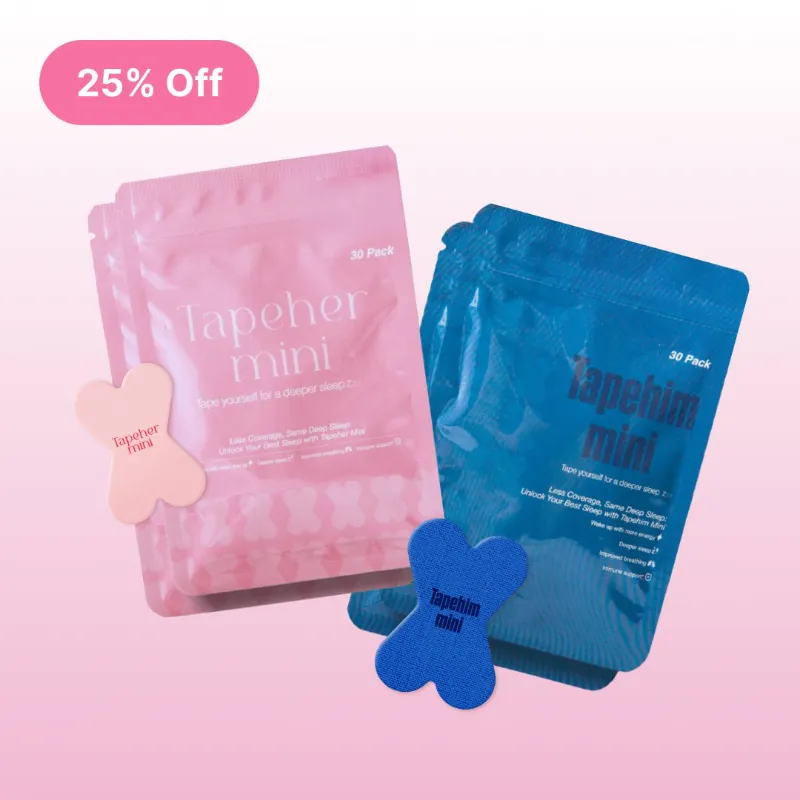
What Sleep Mouth Tape Does and Why Beginners Use It
Sleep mouth tape encourages nasal breathing at night by gently keeping your lips closed while you rest. Many people turn to sleep mouth tape to reduce snoring, wake up less dry-mouthed, or improve their overall sleep quality. The concept is simple: when your mouth stays closed, you breathe through your nose, which filters air, maintains moisture, and may support better oxygen exchange.
If you've been curious about trying it but aren't sure where to start, this guide walks you through the key factors that make a tape comfortable, safe, and effective for your first few nights.
Types of Sleep Mouth Tape and How They Differ
Not all mouth tapes work the same way. Understanding the options helps you pick one that matches your comfort level and breathing needs.
Full-coverage mouth tape spans your entire lip area and provides the firmest seal. This style works well if you tend to open your mouth wide during sleep, though beginners sometimes find it intimidating at first.
Vertical-strip tape runs down the center of your lips, leaving the corners free. It offers a gentler introduction and lets you open your mouth slightly if needed. Many first-timers prefer this design because it feels less restrictive.
Lip tape is a lighter-weight option that sits along the lip line rather than covering the full mouth. It provides a subtle reminder to keep your lips together without a strong adhesive pull.
If you're also exploring nasal support, nose tape can help open nasal passages and pair well with mouth taping for those who need both interventions.
Materials and Adhesive Strength: Finding the Right Balance
The material and adhesive determine whether you'll sleep comfortably or wake up with irritated skin.
- Medical-grade adhesive is hypoallergenic and designed for sensitive facial skin; it holds securely without leaving residue or causing redness
- Cotton or bamboo fabric backing feels softer and breathes better than synthetic materials, reducing the risk of moisture buildup or skin irritation
- Low-tack vs. standard-hold adhesives offer different levels of security; beginners often start with low-tack tape to build confidence before moving to a firmer hold
We recommend checking for latex-free and fragrance-free options if you have reactive skin. Tapeher's range includes skin-friendly formulations, and you can grab the code to save on your first order.
According to experts at the Cleveland Clinic, choosing a tape that allows easy removal is important for safety, especially if you have any nasal congestion or breathing concerns.
How to Choose Sleep Mouth Tape Based on Your Breathing Pattern
Your natural breathing habits should guide which tape style you pick.
For light mouth breathers who occasionally let their jaw relax open, a vertical-strip or lip-style tape usually provides enough encouragement. These designs let you ease into the habit without feeling claustrophobic.
For habitual mouth breathers who consistently sleep with an open mouth, a full-coverage option like mouth breather tape offers better support. Pair it with nasal breathing exercises during the day to make the transition smoother.
For snorers looking to reduce noise, mouth tape for snoring works best when your nasal passages are clear. If you struggle with congestion, address that first with saline rinses or nasal strips before adding mouth tape to your routine.
Researchers at CU Anschutz note that mouth taping may help some people, but it's not a substitute for treating underlying conditions like sleep apnea. If you suspect apnea, consult a healthcare provider before experimenting with tape.
Sizing, Shape, and Comfort Features That Matter
Small design details can make a big difference in how tolerable mouth tape feels overnight.
| Feature | Why It Matters |
|---|---|
| Pre-cut strips | Save time and ensure consistent placement each night |
| Rounded corners | Reduce the chance of edges peeling or catching on pillows |
| Perforated center | Allows emergency mouth breathing if nasal passages become blocked |
Look for tapes that match the width of your lips; oversized pieces can irritate the skin around your mouth, while undersized strips may not provide enough coverage. Many products come in standard sizing that fits most adults, but checking dimensions helps if you have a smaller or larger face.
Some users appreciate sleeping facts accessories that complement their taping routine, such as sleep trackers or relaxation aids that help them monitor improvements in sleep quality.
Safety Tips and When Not to Use Mouth Tape
While mouth taping is generally safe for healthy adults, certain situations require caution.
Do not use mouth tape if you:
- Have severe nasal congestion, a deviated septum, or other nasal obstructions
- Suspect or have been diagnosed with obstructive sleep apnea (consult your doctor first)
- Experience nausea, acid reflux, or any condition that could cause vomiting during sleep
- Are under the influence of alcohol or sedatives that impair your ability to wake up
Always start with a low-tack adhesive and test it during a daytime nap to see how it feels. Keep the tape within easy reach so you can remove it quickly if you feel uncomfortable.
WebMD emphasizes that mouth taping should never restrict your ability to breathe freely or wake up if needed. If you feel panicked or short of breath, remove the tape immediately and reassess whether it's right for you.
Getting Started: Your First Week with Sleep Mouth Tape
Beginners often benefit from a gradual approach rather than jumping in for a full night on day one.
Night 1-2: Apply the tape for 20 to 30 minutes before bed while you read or wind down. This helps you get used to the sensation without the commitment of sleeping through it.
Night 3-4: Wear the tape as you fall asleep, but give yourself permission to remove it if you wake up uncomfortable. Many people find they tolerate it better after the initial adjustment period.
Night 5-7: Try keeping it on for progressively longer stretches. By the end of the first week, most users can wear it through the night without issues.
Track any changes in snoring, morning mouth dryness, or energy levels to see if the tape is delivering sleep mouth tape benefits for you. If you're ready to commit to a supply, check the latest price to stock up with our discount.
Comparing Popular Options: Which Tape Fits Your Needs
| Tape Style | Best For | Adhesive Feel |
|---|---|---|
| Full-coverage | Heavy mouth breathers, loud snorers | Firm hold, secure overnight |
| Vertical strip | Beginners, light mouth breathers | Moderate hold, easy removal |
| Lip tape | Sensitive skin, gentle reminder | Light hold, minimal residue |
Each style has its advocates. Some users swear by the best mouth tape for sleeping based on personal trials, while others prefer lighter options for long-term comfort. Online communities like sleep mouth tape Reddit threads often highlight real-world experiences that can guide your choice.
If you're exploring mouth tape for jawline benefits or other aesthetic reasons, keep in mind that the primary function is improving breathing; any jawline effects are secondary and not scientifically proven.
We've tested a range of products, and Tapeher's collection consistently delivers on comfort, adhesive quality, and skin-friendliness. Explore the full lineup and save with our Tapeher discount code on your first purchase.
Frequently asked questions
Is mouth taping dangerous for beginners?
Mouth taping is generally safe for healthy adults with clear nasal passages. Avoid it if you have severe congestion, sleep apnea, or conditions that could cause vomiting during sleep. Always start with low-tack adhesive and test during a nap first.
Can I use sleep mouth tape if I have a cold?
No, you should skip mouth tape when you have nasal congestion or a cold. Your body needs the option to breathe through your mouth if your nose is blocked. Wait until your nasal passages are clear before resuming.
How long does it take to get used to wearing mouth tape at night?
Most beginners adjust within three to seven nights. Start by wearing it for short periods while awake, then gradually extend to full nights. Give yourself permission to remove it if you feel uncomfortable during the first week.
What is the best mouth tape for sleeping if I have sensitive skin?
Look for medical-grade, hypoallergenic tape with a cotton or bamboo backing. Low-tack adhesives designed for facial use cause less irritation and leave no residue. Tapeher's range includes skin-friendly options that work well for sensitive skin.
Does mouth tape really help with snoring?
Mouth tape can reduce snoring caused by mouth breathing, since keeping your mouth closed encourages nasal breathing. It won't fix snoring caused by structural issues or sleep apnea, so consult a doctor if snoring persists despite trying tape.
Can I reuse the same piece of mouth tape multiple nights?
No, mouth tape is designed for single use. The adhesive loses its strength after one night, and reusing tape can introduce bacteria from your skin. Replace it with a fresh strip each evening for hygiene and effectiveness.