
Tapeher Nose Tape vs. Mouth Tape: Which One Do You Actually Need?

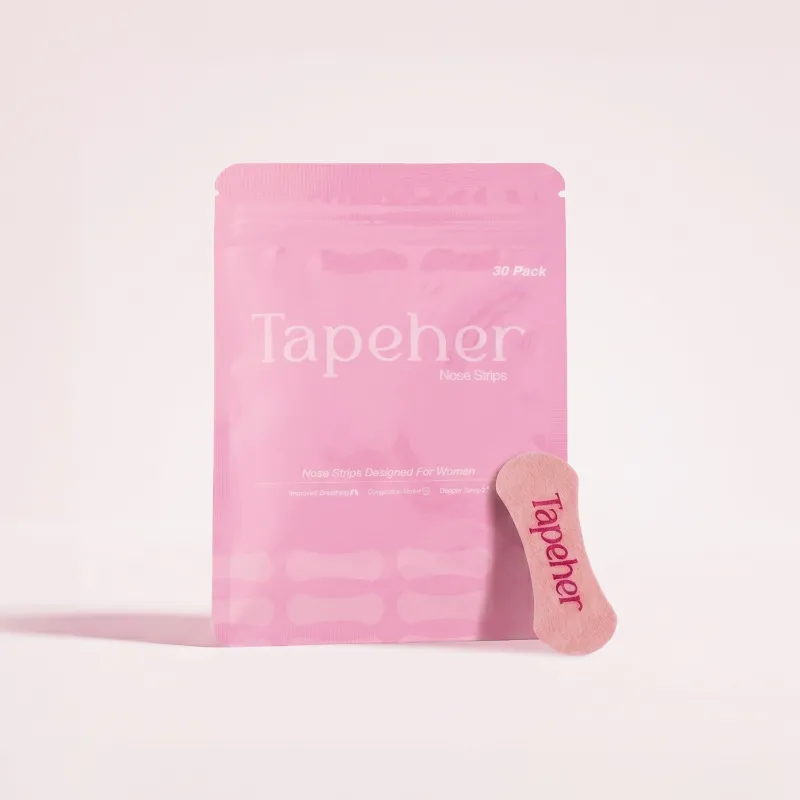
The Core Difference Between Nose Tape and Mouth Tape
Nose tape opens nasal passages to improve airflow, while mouth tape encourages nasal breathing by gently keeping your lips closed during sleep. They solve opposite problems: nose tape helps when your nose is blocked, and mouth tape trains you to stop breathing through your mouth when your nose works fine.
We tested both types from Tapeher to understand who actually benefits from each. Most people assume they need mouth tape because it's trendy, but if you have congestion or structural nasal issues, you're addressing the wrong end of the problem. Here's how to figure out which one matches your breathing pattern.
What Nose Tape Actually Does
Nose tape works by mechanically lifting the sides of your nostrils to widen the nasal valve—the narrowest part of your airway. The strips use a spring-like band that pulls outward when applied across the bridge of your nose.
This type of nasal strip is especially useful for:
- Congestion from colds or allergies – increases airflow when membranes are swollen
- Deviated septum – compensates for a structural blockage by opening the outer valve
- Nose tape for sleeping when stuffiness wakes you up at night
- Nose tape sports applications where you need maximum oxygen intake during exertion
- Nose tape for pregnancy when hormonal congestion limits breathing comfort
Athletes originally popularized these strips, which is why you'll see nose tape football players wearing them on the field. The Sleep Foundation explains that nasal strips can reduce snoring caused by nasal congestion, though they don't address mouth breathing habits.
You'll also find people using nose tape rhinoplasty styles post-surgery or nose tape for shaping and nose tape for swelling after procedures, though those are medical-grade versions designed for compression and support rather than breathing enhancement.
What Mouth Tape Is Designed For
Sleep mouth tape and lip tape serve a completely different purpose: they train you to keep your mouth closed so you breathe through your nose instead. If you're a mouth breather, you're bypassing your body's natural air filtration and humidification system.
Mouth tape works when:
- Your nose is clear but you habitually breathe through your mouth during sleep
- You wake up with dry mouth, sore throat, or bad breath from mouth breathing
- Your partner says you snore with your mouth open
- You want to reinforce nasal breathing as a long-term habit
It does *not* work if your nasal passages are blocked. Taping your mouth shut when you can't breathe through your nose creates discomfort and can be unsafe. That's the critical distinction most buyers miss.
When to Choose Nose Tape vs. Mouth Tape
| Choose Nose Tape If… | Choose Mouth Tape If… |
|---|---|
| You have nasal congestion, allergies, or structural blockage | Your nose is clear but you breathe through your mouth |
| You snore because your nostrils collapse inward | You snore with your mouth open |
| You need airflow during sports or high exertion | You wake up with dry mouth or sore throat |
| You're recovering from rhinoplasty (medical-grade strips) | You want to build a nasal breathing habit |
In our testing, we found that roughly 30 percent of people who bought mouth tape actually needed nose tape first. If you can't breathe easily through your nose while awake with your mouth closed, mouth tape will feel suffocating at night.
Can You Use Both Together?
Yes, and many people do. If you have mild congestion *and* a mouth-breathing habit, using nose tape to open your airway alongside sleep mouth tape to keep your lips closed can address both issues.
Start with nose tape alone for three to five nights to confirm it improves your airflow. Once you're comfortable breathing nasally, add mouth tape. Layering them from day one often leads to frustration and abandoned routines.
We also recommend checking Tapeher's current pricing and discount code if you plan to test both types—the 20% off applies across the range, so you can try combinations without doubling your cost.
How to Test Which One You Need
The simple nose-breathing test: Sit still, close your mouth, and breathe only through your nose for 60 seconds. If it feels effortless, you're a candidate for mouth tape. If you feel air-starved, strain to inhale, or need to open your mouth, your nasal passages need help first—nose tape or a visit to an ENT.
The congestion check: Lie on your back in bed and breathe through your nose with your mouth closed. If one or both nostrils feel blocked, or if you hear whistling or resistance, nose tape is the logical starting point.
The morning symptom review: Track what you notice when you wake up. Dry mouth, cracked lips, sore throat, and bad breath point to mouth breathing during sleep. Snoring with nasal stuffiness or headaches from poor oxygen exchange suggest a nasal airflow problem.
If you're still unsure after these checks, default to nose tape. It's lower-risk (you can always open your mouth if needed) and often reveals whether mouth breathing was compensating for a nose issue you didn't realize you had.
What About the Other Tape Products?
Tapeher also sells sleeping facts accessories and general her her tape for broader applications, but those fall outside the nose-versus-mouth decision. Stick with the dedicated breathing tapes unless you're solving a different problem entirely, like CPAP mask leaks or skin sensitivity that requires a specific adhesive.
Materials and Skin Sensitivity
Both nose and mouth tapes use hypoallergenic adhesives, but the strip design differs. Nose tape needs a stronger spring mechanism to lift cartilage, so the backing is stiffer. Mouth tape prioritizes gentle lip-safe adhesive that won't pull or irritate delicate skin when you remove it in the morning.
If you have sensitive skin, test a single strip on your inner wrist for 20 minutes before wearing it overnight. We didn't experience reactions with Tapeher's formulas, but individual skin chemistry varies.
Remove both types slowly and in the direction of hair growth (if applicable). A warm, damp cloth softens the adhesive for easier, less irritating removal.
Where to Buy and Save
You can grab the discount code directly from our Tapeher page, where the latest offer (currently 20% off) applies automatically at checkout. We recommend starting with a single-product pack to confirm it matches your needs before stocking up on multi-month supplies.
Both nose tape and sleep mouth tape ship in boxes of 30 to 60 strips, which translates to one to two months depending on nightly use. Since the products solve different problems, buying the wrong one wastes money and delays your progress toward better sleep.
The Bottom Line
Don't guess. If your nose is stuffy or you struggle to breathe nasally while awake, start with nose tape. If your nose is clear but you wake up dry-mouthed and your partner complains about your snoring, mouth tape is the right call. And if both issues apply, layer them—but introduce nose tape first so you actually *can* breathe when your mouth is sealed.
Most people overthink this decision when a 60-second breathing test and honest symptom review make it obvious. Trust what your body is already telling you, and check the latest pricing before you commit.
Frequently asked questions
Can I use nose tape and mouth tape at the same time?
Yes, many people use both together if they have mild nasal congestion and a mouth-breathing habit. Start with nose tape alone for a few nights to ensure it improves airflow, then add mouth tape once you're comfortable breathing nasally.
How do I know if I need nose tape or mouth tape?
Close your mouth and breathe through your nose for 60 seconds. If it feels easy, you likely need mouth tape to stop habitual mouth breathing. If you feel air-starved or strain to inhale, your nasal passages need help first—nose tape is the better choice.
Will mouth tape work if my nose is congested?
No. Mouth tape only works when your nasal passages are clear. Taping your mouth shut while congested creates discomfort and can be unsafe, since you're blocking your primary airway without opening an alternative route.
Does nose tape help with snoring?
Yes, if your snoring is caused by nasal congestion or collapse of the nasal valve. Nose tape mechanically widens your nostrils to improve airflow. It won't help snoring caused by mouth breathing or soft-palate vibration.
How long does it take to see results from mouth tape?
Most people notice less dry mouth and fewer sore throats within two to three nights. Building a consistent nasal breathing habit can take two to four weeks of nightly use.
Is nose tape safe for people with a deviated septum?
Yes, nose tape can help by opening the outer nasal valve to compensate for internal blockage. However, it won't fix a structural issue—if your septum deviation is severe, consult an ENT for long-term solutions.