
How to Stop Mouth Breathing at Night with Sleep Tape

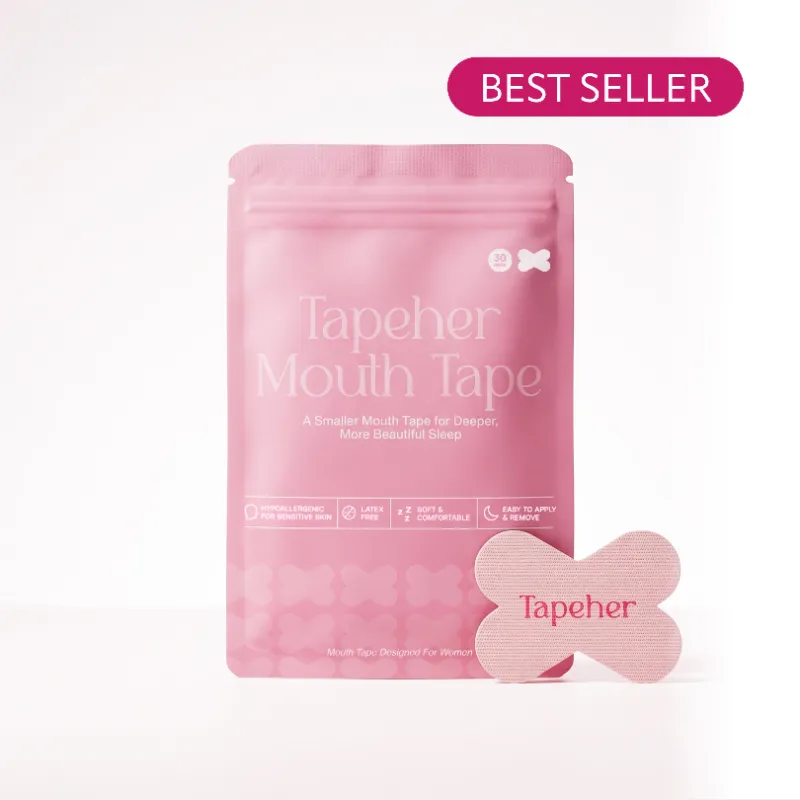
How Sleep Mouth Tape Stops Mouth Breathing at Night
Sleep mouth tape works by gently sealing your lips during sleep, encouraging nasal breathing and reducing the dry mouth, snoring, and restless nights that come with mouth breathing. We tested sleep mouth tape and related options to find what works, who benefits most, and how to use it safely for better rest.
Why Nasal Breathing Beats Mouth Breathing Overnight
Breathing through your nose filters air, warms it, and promotes deeper oxygen exchange. Mouth breathing during sleep bypasses those benefits and often leads to dry throat, bad breath, snoring, and fragmented sleep. Research shows that nasal breathing supports healthier sleep patterns and may improve focus and energy the next day.
Taping your mouth overnight retrains the reflex. Over a few nights, many users report less snoring, fewer wake-ups, and a noticeably fresher feeling in the morning. If you're a chronic mouth breather, the shift can feel dramatic.
Choosing the Best Mouth Tape for Sleeping
Not all tapes are equal. The best mouth tape for sleeping balances secure adhesion with skin-friendly materials so you stay comfortable through the night.
- Hypoallergenic adhesive – Medical-grade glue that won't irritate sensitive skin or leave residue
- Breathable fabric or paper – Allows moisture to escape and feels less claustrophobic than plastic
- Center vent or perforations – Some designs include a small opening for emergency mouth breathing
- Easy removal – Peels off gently in the morning without tugging facial hair or skin
We recommend starting with lip tape if you want a narrower strip that covers just the lip line, or full sleep mouth tape for broader coverage. Both work well; it's mostly personal preference.
How to Apply Mouth Tape Safely
Safe application is straightforward but worth getting right, especially the first few nights.
- Clear your nasal passages – Blow your nose or use a saline rinse so you can breathe freely through both nostrils
- Wash and dry your face – Remove any oils, moisturizer, or beard balm around your mouth
- Position the tape – Center it over closed lips, pressing gently from the middle outward to avoid air pockets
- Breathe through your nose – Spend a minute sitting upright to confirm comfortable nasal airflow before lying down
- Keep the edge accessible – Leave one corner slightly lifted for quick removal if needed
Family Dental Centre explains that first-timers should test the tape during a daytime nap or while reading in bed to build confidence before a full night. Check our discount code for 20% off your first order so you can try a sample pack risk-free.
Mouth Tape for Snoring and Sleep Apnea
Mouth tape for snoring works because open-mouth breathing relaxes the soft palate and tongue, which vibrate and create sound. Sealing the lips keeps the airway geometry more stable and often reduces snoring volume or eliminates it entirely.
Is mouth taping dangerous for sleep apnea? If you have diagnosed obstructive sleep apnea, consult your doctor before taping. Mouth tape is *not* a replacement for CPAP or other prescribed therapies, but some users with mild positional snoring—not true apnea—find relief. Experts note that anyone who wakes gasping for air or has severe breathing interruptions should skip DIY taping and seek medical guidance.
For occasional snorers and habitual mouth breathers without apnea, the tape is generally safe and effective. Pair it with nose tape if you have a deviated septum or narrow nasal passages; nose strips widen the nostrils and improve airflow.
Comparing Top Options
| Feature | Sleep Mouth Tape | Lip Tape | Nose Tape |
|---|---|---|---|
| Coverage | Full lips | Lip line only | External nostrils |
| Best for | Moderate to heavy mouth breathers | Light breathers, beginners | Nasal congestion, deviated septum |
| Adhesive feel | Medium hold, hypoallergenic | Gentle, minimal residue | Flexible spring mechanism |
Most users start with sleep mouth tape and layer nose tape if congestion is an issue. You can also explore our sleeping facts bundle, which pairs tape with a sleep journal and tips for building a consistent routine.
Sleep Mouth Tape Benefits Beyond Snoring
The benefits extend past quieter nights. Regular users report:
- Better hydration – No more waking with a parched mouth or cracked lips
- Clearer skin – Closed-mouth breathing reduces airborne irritants hitting your face
- Jawline definition – Keeping lips sealed may encourage better jaw posture, though this is anecdotal and varies by individual
- Improved focus – Deeper, uninterrupted sleep translates to sharper mornings
Reddit threads on sleep mouth tape praise the simplicity: one small habit change that cascades into noticeable quality-of-life gains. Grab the latest price and our exclusive code to test it yourself.
Who Should Skip Mouth Tape
Mouth tape isn't for everyone. Avoid it if you:
- Have active nasal congestion, a cold, or sinus infection
- Experience severe sleep apnea or breathing disorders
- Are under the influence of alcohol or sedatives that depress respiration
- Have skin allergies to adhesives (test a small patch on your wrist first)
Children should only use tape under medical supervision. If you're uncertain, start with a single night and monitor how you feel in the morning.
Getting Started Tonight
Switching to nasal breathing takes a few nights of adjustment, but most people adapt quickly. Stock up on hypoallergenic lip tape or full sleep mouth tape, clear your nasal passages, and commit to a week-long trial. Track your energy, snoring feedback from a partner, and morning mouth feel to measure progress.
Visit our discount page for 20% off all orders and free shipping on bundles. Better sleep starts with one small, breathable change.
Frequently asked questions
Is mouth taping dangerous for sleep apnea?
If you have diagnosed obstructive sleep apnea, consult your doctor before using mouth tape. It is not a replacement for CPAP or other prescribed treatments, and anyone with severe breathing interruptions should avoid DIY taping.
What is the best mouth tape for sleeping if I have sensitive skin?
Look for hypoallergenic, medical-grade adhesive on a breathable fabric or paper base. Lip tape with gentle hold is ideal for first-timers and sensitive skin, and you can test a small patch on your wrist before applying it to your face.
Can I use nose tape and mouth tape together?
Yes. Nose tape widens your nostrils to improve airflow, while mouth tape encourages nasal breathing. Many people with a deviated septum or mild congestion layer both for the best results.
How long does it take to stop mouth breathing at night with tape?
Most users notice a difference within three to seven nights as the nasal-breathing reflex becomes habit. Track your morning energy and snoring feedback to measure progress.
Does mouth tape really help with snoring?
Yes, for many people. Mouth tape for snoring works by keeping your lips sealed, which stabilizes the soft palate and reduces vibrations that cause sound. It's most effective for habitual mouth breathers without sleep apnea.
Where can I buy sleep mouth tape with a discount?
We test and recommend options at Tapeher, and you can grab 20% off all orders using our exclusive discount code on the coupon page.