
D3S HID vs D3S LED Bulbs: Which Headlight Upgrade Is Right for You?

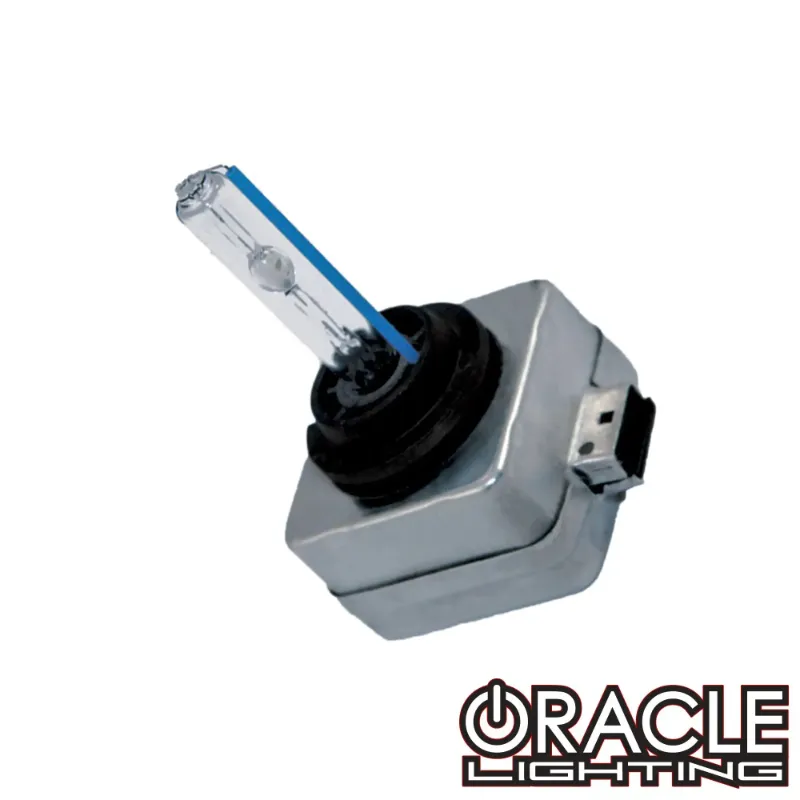
The d3s headlight bulb comes in two main technologies: factory-style HID xenon and newer LED retrofit options. HID delivers the proven warm color temperature and throw distance most luxury vehicles were engineered for, while LED offers instant-on performance and lower power draw. Your choice depends on how you prioritize color accuracy, beam pattern, and installation complexity.
We've tested both paths with oracle lighting products and compared real-world output against OEM specs. This guide walks you through the differences that matter so you can pick the right upgrade for your projector housing.
What Makes the D3S Headlight Bulb Format Unique
The D3S socket was designed exclusively for factory HID projector systems in vehicles from Audi, BMW, Mercedes-Benz, and other manufacturers starting in the mid-2000s. Unlike older D2S bulbs, the D3S headlight bulb xenon design eliminates the mercury content, meeting stricter environmental regulations while maintaining the same 35-watt power draw and PK30s base.
Because D3S bulbs sit inside a sealed projector assembly, they require precise arc positioning. The bulb shield blocks light from hitting the projector bowl directly, so even a millimeter of misalignment creates glare or dark spots. This engineering tolerance is why retrofit options need careful vetting.
Key D3S specifications to know:
- Base type: PK30s (three-tab bayonet lock)
- Wattage: 35W standard for HID, 25-40W for LED retrofits
- Color temp: 4,300K factory HID, 5,000-6,500K typical for LED
- Lifespan: 2,000-3,000 hours for HID xenon, 30,000+ hours claimed for LED
The D3S projector optic was tuned for the arc length and color spectrum of xenon gas discharge, which is why LED conversions sometimes require additional tweaking to match output and cutoff sharpness.
D3S HID Xenon Bulbs: Performance and Color
Factory HID systems use a d3s headlight bulb filled with xenon gas and metal halide salts. When the ballast sends a high-voltage pulse, an electric arc forms between two electrodes, exciting the gas to produce bright white light with a slight warm tint.
HID xenon produces around 3,200 lumens per bulb at the standard 4,300K color temperature. That warmth cuts through rain and fog better than cooler tones because longer wavelengths penetrate moisture. We've found the factory color renders road signs and lane markers more naturally than 6,000K+ options, which can wash out contrast in wet conditions.
Pros of sticking with HID xenon:
- Proven beam pattern designed for your projector optic
- Warmer 4,300K color pierces weather better than blue-white LED
- OEM-equivalent output with no ballast compatibility issues
- Brands like Osram and Philips offer direct plug-and-play replacement
Drawbacks to consider:
- 10-15 second warm-up to full brightness after ignition
- Degrades gradually over 2,000-3,000 hours, shifting color and dimming
- Requires careful handling during installation (oil from skin shortens lifespan)
- Contains pressurized gas and must be disposed of properly
If your current bulbs are dimming or shifting pink, a fresh set of d3s headlight bulb xenon replacements from a reputable brand will restore your original output. Check the latest pricing to compare OEM and performance options.
D3S LED Bulbs: Instant Brightness and Longevity
LED retrofits like the D3S / D3R LED Headlight Bulbs with Internal Driver replace the gas-discharge arc with an array of light-emitting diodes positioned to mimic the xenon arc location. Better designs include an internal driver and active cooling fan to manage heat in the tight projector housing.
The best d3s headlight bulb led options hit 4,000-5,000 lumens per bulb with instant-on operation. No warm-up lag means full brightness the moment you turn the key, which improves reaction time in sudden low-light scenarios. LED also draws 25-30% less current, reducing load on your vehicle's electrical system.
Benefits of upgrading to LED:
- Instant full brightness with zero warm-up delay
- Rated for 30,000-50,000 hours of operation (10x longer than HID)
- Cooler operating temperature reduces heat stress on projector lenses
- Whiter 5,000-6,000K color appeals to drivers who prefer modern aesthetics
Potential issues:
- Beam pattern may differ slightly from OEM xenon, risking glare or hotspots
- Some LED retrofits trigger bulb-out warnings without a CANbus adapter
- Quality varies wildly; cheap units fail early or produce scattered light
- Not all designs fit behind the projector dust cap without modification
We've seen excellent results with oracle lighting LED conversions that include proper heat sinks and driver circuits. However, beam pattern testing is critical. A poorly designed LED can scatter light above the cutoff line, blinding oncoming traffic even in a projector housing. Always verify the bulb includes a shield that blocks upward light just like the original HID capsule.
Installation and Compatibility for D3S Upgrades
Swapping a D3S bulb requires accessing the projector assembly from behind the headlight. Most vehicles need the wheel liner partially removed or the headlight unit unbolted for clearance. The D1S D3S HID Replacement Bulb Installation Guide covers the twist-lock removal process for both HID and LED options.
Installation steps at a glance:
- Disconnect the battery negative terminal to avoid ballast voltage shock
- Remove the projector dust cap and unplug the OEM bulb connector
- Twist counterclockwise to unlock the PK30s base, then pull straight out
- Insert the new bulb without touching the glass or LED chips
- Rotate clockwise until the tabs lock, reconnect the plug, and test beam pattern
For LED retrofits, check whether the internal driver and fan assembly clears the dust cap. Some designs require a larger diameter cap or a vented replacement. If your vehicle uses CANbus error checking, you may need a resistor module or a bulb with built-in load resistance to prevent dashboard warnings.
When you're ready to upgrade, grab the code for 10% off sitewide and compare options that match your housing's depth and connector style. Our testing shows proper fitment matters more than raw lumen claims.
Choosing Between HID and LED for Your D3S System
Your decision hinges on three priorities: color preference, budget, and how often you drive in adverse weather.
Stick with HID xenon if:
- You drive frequently in rain, fog, or snow (4,300K cuts through moisture)
- Your projectors are aging and you want guaranteed OEM beam quality
- You prefer a warmer, more natural light color
- You're replacing bulbs on a predictable maintenance schedule anyway
Upgrade to LED if:
- You value instant-on brightness and faster response time
- You want to reduce long-term replacement frequency (30,000+ hour lifespan)
- You prefer a cooler, whiter 5,000-6,000K aesthetic
- You're willing to verify beam pattern and CANbus compatibility before committing
| Feature | HID Xenon | LED Retrofit |
|---|---|---|
| Warm-up time | 10-15 seconds | Instant |
| Lifespan | 2,000-3,000 hours | 30,000+ hours |
| Color temp | 4,300K | 5,000-6,500K |
| Beam pattern | OEM-spec | Varies by design |
We've also tested complementary upgrades like halo lights and 1157 led bulb options for parking and signal functions. Pairing a quality D3S upgrade with modernized accent lighting creates a cohesive look, especially on platforms like jeep headlights or ram 1500 headlights where the factory halogen surrounds feel outdated next to new projector output.
Where to Buy and What to Avoid
The market floods with cheap D3S LED kits that promise 10,000+ lumens but fail within months or scatter light dangerously. We recommend sticking with brands that publish actual photometric test data and offer a warranty longer than 90 days.
For xenon replacements, Osram and Philips remain the gold standard. For LED, look for units with external or internal driver circuits (not just resistors), active cooling, and a stated color temperature below 6,500K to avoid the blue tint that reduces visibility.
Amazon's D3S LED selection offers hundreds of options, but read reviews specifically mentioning your vehicle make and projector type. Beam pattern complaints are the clearest red flag.
Before you buy, verify your vehicle uses the D3S socket and not the older D3R (which has a different internal shield). Then check the latest price to compare proven options with our current discount. We've vetted the performance claims so you can upgrade with confidence, whether you choose the proven warmth of xenon or the instant response of LED.
Frequently asked questions
Can I replace my D3S HID bulbs with LED without changing the ballast?
Yes, most D3S LED retrofits include an internal driver that bypasses the factory ballast entirely. You simply unplug the old HID bulb and ballast connector, then plug the LED bulb directly into the power socket. Some vehicles may require a CANbus adapter to prevent bulb-out warnings.
Why do some D3S LED bulbs cause glare even in projector housings?
Poor LED chip placement or a missing shield allows light to hit the projector reflector at the wrong angle, scattering it above the cutoff line. Quality D3S LED bulbs position the chips to match the original xenon arc location and include a metal shield to block upward light.
How long do D3S xenon bulbs typically last before they need replacement?
Factory D3S HID xenon bulbs last 2,000 to 3,000 hours under normal conditions. You'll notice gradual dimming and a color shift toward pink or purple as the bulb ages. Replacing both bulbs at the same time ensures even color and brightness.
Is 4,300K or 6,000K better for night driving?
4,300K produces a warmer white light that penetrates fog and rain more effectively, while 6,000K offers a cooler, blue-white aesthetic that can reduce contrast in wet conditions. Most drivers find 4,300K to 5,000K the best balance of visibility and modern appearance.
Do I need to remove the headlight assembly to change a D3S bulb?
It depends on your vehicle. Some allow access from the engine bay after removing the wheel liner or an access panel, while others require unbolting the headlight assembly for clearance. Check your owner's manual or a model-specific guide before starting.
Will a D3S LED bulb work with my factory projector optics?
A well-designed D3S LED bulb will work, but beam pattern quality varies by brand. Look for LEDs that replicate the xenon arc position and include a shield. Always test the cutoff line against a wall after installation to ensure you're not creating glare for oncoming drivers.