
Do Underglow Kits Drain Your Battery? What You Need to Know

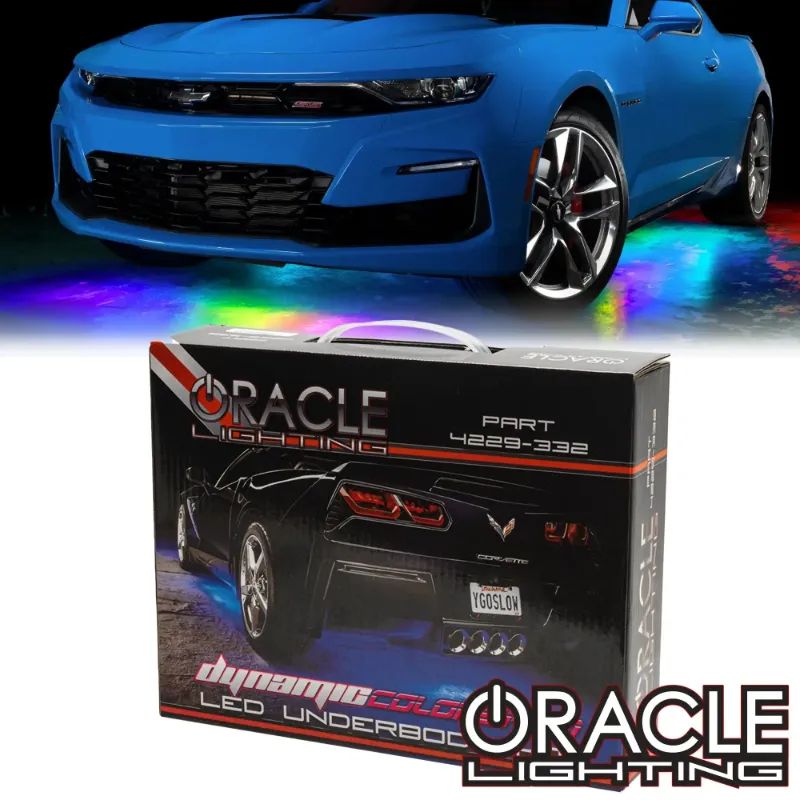
Do Underglow Kits Drain Your Battery?
An underglow kit typically draws between 1 and 3 amps when running, which is low enough that it won't drain a healthy battery during normal use. The real risk comes from poor installation, leaving the lights on when the engine is off, or wiring directly to the battery without a relay or switch that cuts power with the ignition.
We've tested lighting setups from oracle lighting and other manufacturers, and modern LED underglow systems are far more efficient than older neon tubes. Still, any accessory that stays powered when your car sits idle can pull your battery below the threshold needed to start the engine. Understanding how much power your kit uses and how to wire it properly makes the difference between a bold custom look and a dead battery in your driveway.
How Much Power Does an Underglow Kit Really Use?
Most LED underglow kits for cars and trucks consume 10 to 36 watts total, depending on the number of strips and brightness settings. A four-tube underglow kit for trucks running at full brightness typically pulls around 2 to 3 amps at 12 volts, while smaller motorcycle kits may use closer to 1 amp.
To put that in perspective, here's how underglow compares to other automotive accessories:
| Accessory | Typical Amp Draw |
|---|---|
| LED underglow kit | 1 to 3 amps |
| Halogen headlights (pair) | 10 to 12 amps |
| LED headlights (pair) | 3 to 5 amps |
| Aftermarket stereo | 5 to 15 amps |
A car battery rated at 50 amp-hours could theoretically run a 2-amp underglow kit for 25 hours before fully discharging. In practice, you'll run into starting problems long before that because your battery needs to maintain at least 12.4 volts to crank the engine reliably. If you park for a weekend with the lights on, you're likely looking at a jump start Monday morning.
The best underglow kits include wireless remotes or smartphone control, which can make it easier to forget the lights are on. If you're upgrading other lighting at the same time, consider pairing your underglow with efficient halo lights or wheel lights for trucks that share the same switched circuit so everything powers down together.
Proper Wiring Prevents Battery Drain
The installation method determines whether your underglow kit becomes a battery vampire or a worry-free upgrade. Always wire your kit through a relay triggered by an ignition-switched source, not directly to the battery positive terminal. This ensures power cuts off automatically when you remove the key.
Key wiring steps to avoid drain:
- Use a fused relay harness rated for at least 5 amps above your kit's draw
- Tap into an ignition-switched 12V source like the accessory fuse slot
- Ground to a clean chassis point, not a painted surface
- Add an inline switch on the dashboard for manual control
- Use crimp connectors and heat shrink, never twist-and-tape joints
If you're installing multiple accessories like strobe light strobe light kits or interior star headliner systems, run each through its own fused circuit. We recommend checking the manufacturer's installation guide for your specific kit and grabbing a multimeter to verify voltage drop across connections.
For current pricing on quality wiring harnesses and professional-grade kits, check the latest deals where you can save 10% sitewide.
When Underglow Kits Cause Problems
Even a correctly wired underglow kit can contribute to battery issues if your electrical system already has weak points. A battery that's more than four years old, corroded terminals, or a failing alternator will all make any accessory load feel more dramatic.
Common scenarios that lead to drain:
- Leaving the manual override switch on overnight
- A failing relay that doesn't fully disconnect power
- Wiring to a circuit that stays hot when parked (like some radio memory circuits)
- A weak battery that can't handle even small parasitic loads
- Installing an underglow kit alongside high-draw accessories like amplifiers
We've also seen cases where installation near hot exhaust components caused wire insulation to melt and create a short circuit, which will drain a battery in hours. Always route wiring away from heat sources and sharp edges, and use loom or conduit for protection.
If you're troubleshooting battery drain, disconnect the underglow kit completely and measure overnight voltage drop. A healthy system should lose less than 0.1 volts over 12 hours with the key out and all accessories off.
Choosing the Right Underglow Kit for Your Vehicle
Not all underglow kits are created equal when it comes to power efficiency and installation flexibility. LED strips from established manufacturers like oracle lighting typically include smarter controllers with sleep modes and automatic shutoff timers that older kits lack.
What to look for in a battery-friendly underglow kit:
- LED technology rather than neon or incandescent tubes
- Included relay harness or plug-and-play wiring
- Brightness dimming to reduce draw when full output isn't needed
- Waterproof rating (IP67 or higher) to prevent shorts in wet conditions
- Bluetooth or RF remote with memory function to save your last settings
Underglow kits for motorcycles often use smaller battery systems (8 to 14 amp-hours), so efficiency matters even more. Look for kits that advertise power consumption under 20 watts total if you ride a bike.
When you're upgrading your entire lighting setup, keep the total accessory load in mind. Combining underglow with LED replacements like 1157 led bulbs or d3s headlight bulbs actually reduces your overall electrical demand compared to factory halogen setups. The same goes for Jeep headlights, Ram 1500 headlights, or 350z headlights that swap to modern LED assemblies.
Some kits available through retailers like AutoZone offer app-controlled features and built-in timers, which add convenience and reduce the chance you'll accidentally leave them running.
Maintaining Your System to Prevent Issues
Once your underglow kit is installed, a few routine checks will keep it from becoming a battery liability. We test voltage before and after installation to establish a baseline, then recheck every few months or whenever we notice sluggish starting.
Simple maintenance routine:
- Check battery voltage with the engine off (should read 12.4V or higher)
- Start the engine and verify voltage rises to 13.8 to 14.4V (alternator charging)
- Turn on the underglow kit and measure voltage drop (should stay above 13.5V)
- Inspect all wiring connections for corrosion or looseness every six months
- Clean battery terminals annually with a wire brush and terminal spray
If you notice your voltage dropping below 12V overnight or the battery struggles to start after sitting a few days, measure parasitic draw with an ammeter in series with the negative battery cable. A healthy vehicle should pull less than 50 milliamps with everything off. If your draw is higher, start pulling fuses one at a time to isolate the circuit causing the problem.
For the best combination of performance and reliability, stick with reputable brands and professional installation. You can grab the code for 10% off quality lighting systems that include proper installation hardware and detailed wiring diagrams.
Frequently asked questions
How many amps does an underglow kit draw?
Most LED underglow kits draw between 1 and 3 amps at 12 volts, which translates to 12 to 36 watts. The exact draw depends on the number of LED strips, brightness level, and color mode you're running.
Can I leave my underglow lights on overnight?
Leaving underglow lights on overnight will drain your battery to the point where you won't be able to start your car. Even at just 2 amps, the kit will pull 16 to 20 amp-hours over eight hours, which is enough to drop most batteries below starting voltage.
Should I wire my underglow kit to the battery or fuse box?
Wire your underglow kit through a relay triggered by an ignition-switched circuit from the fuse box, not directly to the battery. This ensures the lights turn off automatically when you remove your key and prevents battery drain.
Will underglow work with a weak battery?
An underglow kit will work with a weak battery when the engine is running and the alternator is charging, but you'll have a much higher risk of no-start issues and faster battery degradation. Replace any battery older than four years before adding accessories.
Do LED underglow kits use less power than neon?
Yes, LED underglow kits use 60 to 80 percent less power than old-style neon tube kits. LEDs also produce less heat, last longer, and offer more color options and control features.
How do I test if my underglow kit is draining my battery?
Disconnect the underglow kit completely and measure your battery voltage after the car sits overnight. If voltage stays above 12.4V with the kit disconnected but drops significantly with it connected, the kit or its wiring has a parasitic drain issue.