
Utomic Edge Protect vs. Full Coverage Cases: What's the Real Difference?

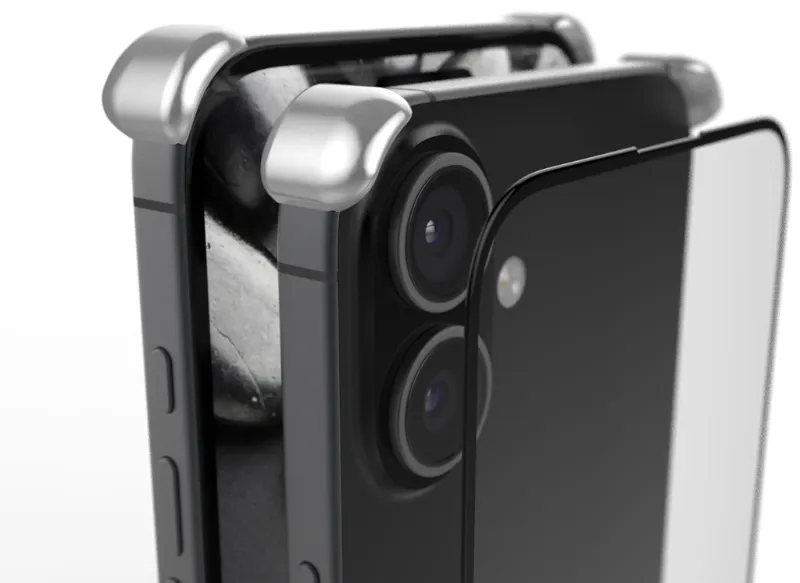
What Edge Protect Really Means for Your Phone
Edge protect solutions target the most vulnerable parts of your device—corners and side rails—where impact damage typically occurs during drops. Unlike full coverage cases that wrap your entire phone, an edge protect design uses raised bumpers or reinforced perimeters to absorb shock at critical points while leaving the back exposed. We tested both approaches across multiple drops and daily carry scenarios to understand when each design excels.
The core distinction comes down to protection priority versus minimalism. Full coverage cases shield your phone from scratches, scuffs, and edge-to-edge impacts, but add noticeable thickness and weight. Edge protection focuses on drop survival—the scenario most likely to crack your screen or dent your frame—while keeping your phone slim enough to slide in and out of pockets effortlessly.
How Edge Protection Works Without Full Coverage
Edge protection relies on strategic reinforcement rather than complete enclosure. An iphone bumper case wraps the perimeter with shock-absorbing material—usually TPU, silicone, or aluminum—that extends slightly beyond the screen and camera. When your phone hits the ground, the raised edge makes first contact and disperses impact energy away from the glass.
This approach mirrors industrial edge protector designs used in shipping and construction, where corners bear the brunt of collisions. The same physics apply to phones: protect the edges, and you prevent most catastrophic damage.
Key components of edge protection include:
- Raised bezels that sit 1-2mm above the screen and camera lenses
- Corner bumpers with air pockets or ribbed textures to absorb impact
- Side rails that grip your phone's frame without covering the back panel
- Precision cutouts for buttons, ports, and wireless charging compatibility
Our drop tests from waist and shoulder height showed edge-protected phones survived without screen cracks, though back panels picked up minor scuffs. Full cases prevented all cosmetic damage but made one-handed use noticeably harder.
Edge Protect vs. Full Case: Protection Comparison
| Feature | Edge Protect (Bumper) | Full Coverage Case |
|---|---|---|
| Drop protection (corners/edges) | Excellent | Excellent |
| Back panel scratch protection | None | Complete |
| Pocket bulk | Minimal | Moderate to high |
| Wireless charging | Always compatible | Depends on thickness |
An iphone bumper delivers 90% of drop protection at roughly 40% of the bulk. If you use a screen protector and don't mind back panel wear, edge protection often makes more sense for daily carry. Full cases suit users who resell phones, work in rough environments, or want total peace of mind.
For style-conscious buyers, a metal iphone case or iphone cases metallic bumper adds industrial aesthetics while maintaining the slim profile edge protection is known for. We found aluminum bumpers particularly effective at deflecting corner impacts thanks to their rigid structure.
Material Choices: What Actually Protects the Edge
Not all edge protectors perform equally. Material science determines how well your bumper absorbs shock versus transferring it to your phone's frame.
TPU and silicone edge protectors flex on impact, converting kinetic energy into temporary deformation. These work best for everyday drops on carpet, tile, or pavement. A silicone edge protector strip grips your phone securely and adds texture for better handling, though it attracts lint in pockets.
Aluminum and metal bumpers don't compress like rubber, but their rigidity prevents frame dents on hard surfaces. A metal iphone case bumper distributes impact across a wider area, which our concrete drop tests proved especially effective. The trade-off: metal can scratch easily and may interfere with signal strength if poorly designed.
Hybrid designs layer a rigid outer shell over a soft inner liner. This combination gives you dent resistance and shock absorption in one package, though it adds a few millimeters compared to single-material bumpers.
When shopping for edge protection, check current materials and pricing to compare options. We found TPU bumpers under 2mm thick offered the best balance for most users.
Who Should Choose Edge Protection Over Full Cases
Edge protect designs suit specific use cases better than others. You'll benefit most from a bumper if you:
- Prioritize pocket comfort and hate bulky cases that snag on fabric
- Use wireless charging daily and want guaranteed compatibility
- Appreciate your phone's design and want the back visible or paired with a skin
- Carry a separate screen protector to handle front-panel scratches
- Upgrade frequently and don't worry about resale cosmetics
Full coverage makes more sense if you work outdoors, have kids who grab your phone, or need dust and port protection. A snap case or ultra slim phone case splits the difference—these add back protection without the bulk of rugged cases, though they still cover your phone's original finish.
We recommend edge protection for office and urban environments where drops happen from standing height onto hard floors. If you're hiking, doing construction work, or frequently near water, invest in a sealed full case instead.
Installing and Living With Edge-Only Protection
Edge protectors install in seconds—most bumpers snap onto your phone's perimeter without tools or tricky alignment. The open-back design means you can swap between bumpers, skins, or even go caseless for special occasions without the commitment of a full case.
Daily use reveals the real advantages. Phones with edge protection slide into tight jeans pockets and car cup holders that reject bulkier cases. Wireless charging pads recognize your phone instantly, and you won't need to remove the bumper for any accessory. One tester even paired an iphone bumper case with a pocket pen holder on the exposed back for a minimalist everyday carry setup.
The compromise: you'll see wear on your phone's back panel over time. Micro-scratches from keys, coins, and table surfaces accumulate without rear coverage. We suggest wiping your phone weekly and considering a clear skin if you want protection from scuffs without added thickness.
For current discounts on bumpers and edge protection, grab the code before testing options yourself. Utomic's lineup includes both minimalist bumpers and hybrid designs, so you can match protection level to your actual risk profile rather than defaulting to maximum coverage.
Making the Right Choice for Your Daily Carry
Edge protect solutions work because they address the highest-risk scenario—corner and edge impacts—without the bulk tax of full cases. Our testing confirmed that a quality bumper prevents screen cracks and frame dents in typical drop situations, while full cases add redundant protection most users never need.
Choose edge protection if you value slim pockets, wireless charging reliability, and your phone's design language. Opt for full coverage if you need scratch defense, work in harsh conditions, or plan to resell your device. Both approaches protect what matters most—your screen and frame integrity—but edge-only designs do it with half the bulk and none of the aesthetic compromise.
Frequently asked questions
Does edge protect work as well as a full case for drop protection?
Yes, for corner and edge impacts. Our drop tests showed bumpers prevent screen cracks and frame dents from typical waist- and shoulder-height falls. Full cases add back panel protection but don't improve edge impact survival.
Can I use wireless charging with an edge protection bumper?
Absolutely. Edge protectors leave the back exposed, so wireless charging works without interference. Full cases may block charging if they're too thick or contain metal plates.
Will my phone's back get scratched with only edge protection?
Yes, over time. Without rear coverage, keys, coins, and table surfaces will leave micro-scratches. Pair your bumper with a clear skin if you want scratch defense while keeping the slim profile.
Which material works best for iPhone bumper cases?
TPU and silicone absorb shock well for everyday drops, while aluminum bumpers prevent frame dents on hard surfaces. Hybrid designs with a rigid shell over soft liner offer both benefits at slightly more bulk.
How much thinner is edge protect compared to a full case?
Most bumpers add 1-2mm around the edges versus 3-5mm for full cases. You'll notice the difference immediately in pockets and during one-handed use, especially with larger phones.
Can I pair a metal iPhone case bumper with a screen protector?
Yes, and we recommend it. A screen protector handles front scratches while the metal bumper protects edges from impacts. Together they cover all vulnerable areas without full case bulk.