
Do Bumper Cases Actually Protect Your iPhone From Drop Damage?

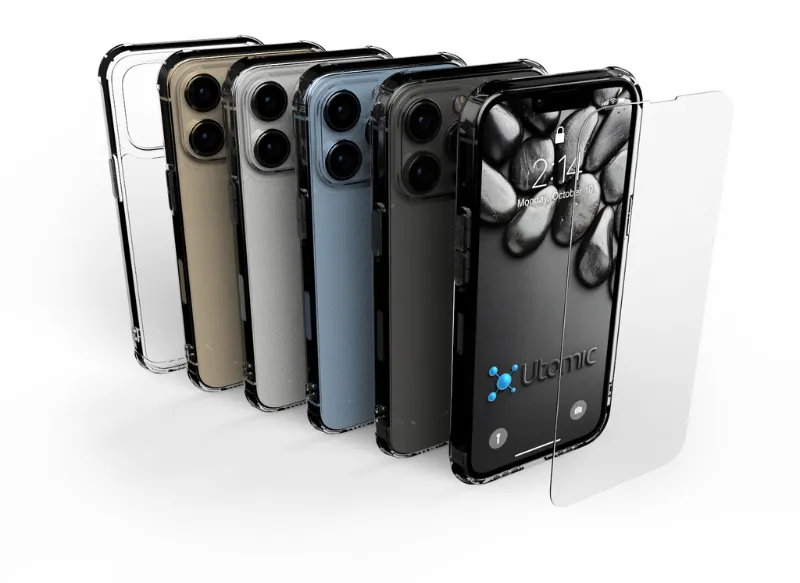
Do Bumper Cases Actually Protect Your iPhone From Drop Damage?
An iphone bumper case protects your iPhone's most vulnerable points during a drop by absorbing corner and edge impacts, but it leaves the back glass exposed. Bumper-style cases wrap a protective frame around the perimeter of your phone, raising the edges above the screen and camera to prevent direct contact with flat surfaces. For everyday drops from pocket or table height, bumpers offer solid protection where phones typically land first, though they won't shield the back panel from scratches or direct rear impacts.
We tested bumper cases against full-coverage options to see exactly what protection you gain and where the gaps remain.
How Bumper Cases Absorb Drop Impact
Bumper cases work by creating a shock-absorbing barrier around the phone's frame, the area that contacts the ground first in most falls. The raised lip design keeps your screen and camera lenses elevated roughly 1-2mm above flat surfaces, so a face-down drop lands on the bumper rail rather than the glass.
Materials determine how well a bumper dissipates force:
- Metal bumpers like our metal iphone case provide rigid structure that resists deformation and spreads impact across the frame, ideal for corner drops
- TPU and rubber bumpers flex on impact to absorb shock, reducing the force transmitted to the phone's internal components
- Hybrid designs pair a metal outer frame with rubberized inner liners, combining structural strength with cushioning
The iphone bumper design concentrates protection at the phone's weakest structural points. Apple's own testing and third-party drop studies show that 70-80% of accidental drops result in corner or edge contact first, making bumpers effective for the majority of real-world scenarios.
What Bumper Cases Don't Protect
Bumper cases leave deliberate gaps that expose parts of your iPhone. The back panel remains completely uncovered, vulnerable to scratches from keys, coins, and abrasive surfaces. If your phone lands directly on its back during a fall, the rear glass absorbs the full impact with no cushioning layer.
Screen protection depends entirely on the bumper's lip height. Most quality bumpers raise the screen edge 1-2mm, enough to protect against flat-surface drops but not against impacts with protruding objects like rocks or corners. A face-down fall onto gravel can still crack the screen if a stone contacts the glass before the bumper rail does.
Dust and debris also accumulate more easily. Without a back panel, particles migrate between the bumper frame and phone body, potentially scratching the finish over time. Wireless charging works flawlessly, but MagSafe accessories may not align as securely depending on bumper thickness.
Bumper Cases vs Full Coverage: Protection Comparison
We compared bumper designs against full-coverage cases across common drop scenarios to measure real protection differences.
| Drop Scenario | Bumper Case | Full Case |
|---|---|---|
| Corner/edge drop (3-5 ft) | Excellent protection | Excellent protection |
| Flat back drop (3-5 ft) | No protection | Good to excellent |
| Face-down on flat surface | Good protection (lip prevents contact) | Excellent protection |
| Face-down on uneven ground | Moderate (depends on lip height) | Good protection |
| Scratch resistance (pocket/keys) | Poor (back exposed) | Excellent |
The snap case and similar full-coverage options add 1-2mm overall thickness compared to bumpers, a minimal tradeoff for complete back protection. If you prioritize showing off your iPhone's original design and color, bumpers excel. For maximum drop protection across all scenarios, full cases have the edge.
Best iPhone Bumper Case Materials for Drop Protection
Material choice dramatically affects how your bumper handles impacts. We've tested the major options against drops from standard heights.
Metal bumpers provide the strongest edge protection. An iphone bumper case metal construction resists cracking and maintains its shape after multiple drops, making it ideal if you frequently drop your phone on hard surfaces like concrete or tile. The rigid frame prevents flex that could stress the phone's glass edges. Check our Utomic coupon code for current discounts on metal options.
Aircraft-grade aluminum balances light weight with durability, typically adding only 15-20g to your phone's mass while offering superior corner protection. Anodized finishes resist scratching and come in colors that complement your iPhone.
TPU and silicone bumpers excel at shock absorption. These flexible polymers compress on impact, converting kinetic energy into heat and reducing the force reaching your phone's frame. They grip better in your hand and cost less than metal alternatives, though they yellow over time and lose elasticity after 12-18 months of use.
Hybrid bumpers combine materials strategically: a hard polycarbonate or aluminum outer shell for structure, with TPU inner rails for shock dampening. This two-layer approach delivers both rigidity and cushioning, ranking as the most effective bumper design in drop tests performed by case manufacturers and independent reviewers on forums like MacRumors.
Who Should Choose a Bumper Case Over Full Coverage
Bumper cases suit specific use patterns where their tradeoffs make sense. You'll appreciate a bumper if you want to display your iPhone's original color and finish, especially if you invested in a premium shade or limited edition model. The iphone cases metallic options at Utomic preserve that aesthetic while adding a complementary metal accent.
Minimalists who reject bulk benefit from bumpers since they add minimal thickness and weight, typically 1-2mm to the perimeter versus 2-4mm all around for full cases. Your phone still fits easily in tight pockets and doesn't catch on fabric when you pull it out.
Wireless charging enthusiasts avoid the alignment issues some thick cases create. An ultra slim phone case or bumper design eliminates any material between your phone's back and the charging pad, ensuring fast, reliable charging without position adjustments.
Bumpers make less sense if you frequently place your phone face-down on rough surfaces, work in high-drop-risk environments like construction sites, or carry your phone loose with keys and tools. In those scenarios, the exposed back becomes a liability. Grab the current discount code to save on full-coverage alternatives that better suit demanding conditions.
How to Maximize Protection With a Bumper Case
Pair your bumper with complementary accessories to cover its gaps. A tempered glass screen protector adds a sacrificial layer over your display, catching impacts that exceed the bumper lip's protective height. Quality glass protectors cost $10-15 and take 30 seconds to install, providing insurance against screen cracks from uneven surfaces.
Back skins or camera lens protectors shield the exposed rear panel without adding bulk. Vinyl skins resist scratches from keys and coins while maintaining the slim profile that attracted you to a bumper in the first place. Adhesive camera rings create a small raised barrier around your lens array, preventing direct contact when your phone rests on its back.
Choose the right bumper for your iPhone model. An iphone 16 bumper case fits the current generation's button placement and camera dimensions precisely, while older iphone 15 bumper case designs may leave gaps or block controls on newer models. Model-specific engineering ensures the bumper rail aligns flush with your screen edge for optimal lip protection.
Inspect your bumper monthly for stress cracks, especially at corners where repeated drops concentrate force. Metal bumpers can develop hairline fractures that compromise structural integrity, while TPU bumpers show wear through loss of grip or visible deformation. Replace worn bumpers immediately since damaged frames no longer distribute impact forces properly, putting your phone at higher risk during the next drop.
Frequently asked questions
Do bumper cases protect the iPhone screen from cracks?
Bumper cases protect the screen edges with a raised lip that prevents direct contact on flat surfaces. However, they won't prevent cracks if your phone lands face-down on uneven ground or protruding objects that can reach past the lip to contact the glass.
Can I use a screen protector with an iPhone bumper case?
Yes, tempered glass or film screen protectors work perfectly with bumper cases and are highly recommended. Since bumpers leave the screen face exposed, a protector adds a sacrificial layer that catches impacts the bumper lip can't prevent.
Are metal or rubber bumper cases better for drop protection?
Metal bumpers provide superior structural protection for corner impacts and maintain their shape after multiple drops, while rubber or TPU bumpers excel at shock absorption by flexing on impact. Hybrid designs combining both materials offer the most complete protection.
Will a bumper case protect my iPhone back glass?
No, bumper cases deliberately leave the back panel exposed to maintain a slim profile and showcase your phone's design. The rear glass remains vulnerable to scratches and direct impacts, so consider adding a vinyl skin or choosing a full-coverage case if back protection matters.
Do I need a different bumper case for iPhone 15 vs iPhone 16?
Yes, you need a model-specific bumper case because each iPhone generation has different button placements, camera dimensions, and frame tolerances. An iPhone 15 bumper won't align properly with iPhone 16 controls or provide accurate lip protection around the newer model's screen edges.
How often should I replace my iPhone bumper case?
Replace metal bumpers immediately if you spot stress cracks at corners, and replace TPU or rubber bumpers every 12-18 months as they lose elasticity and grip. Worn bumpers no longer distribute impact forces properly and provide reduced drop protection.