
Flextail Electric Bike Pump Review: Does It Work for Road and Mountain Bikes?

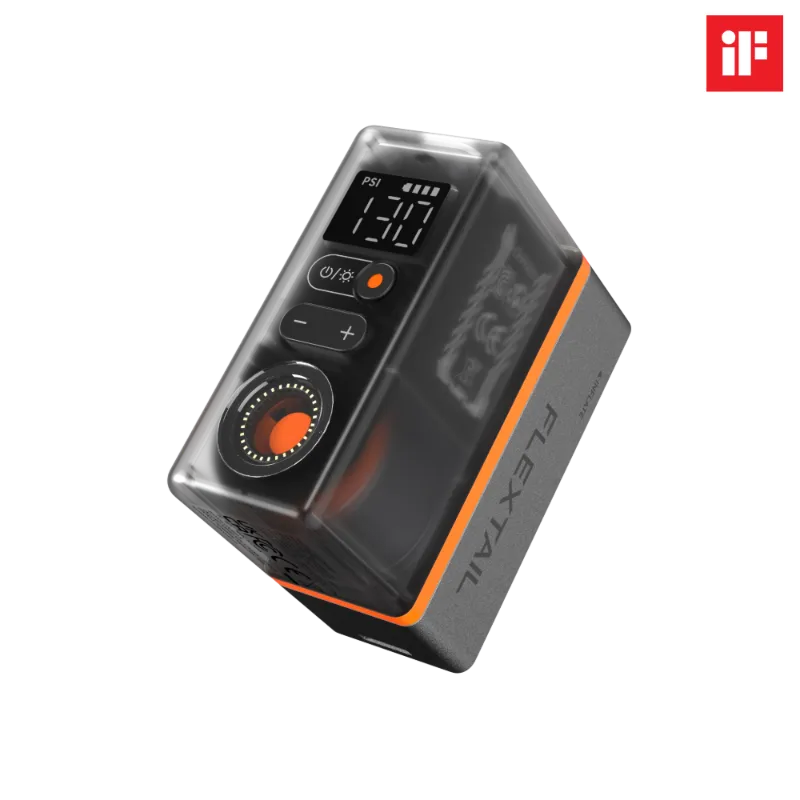
Is the Flextail Electric Bike Pump Right for Your Riding Style?
The Flextail electric bike pump works for both road and mountain bikes, delivering enough pressure for high-PSI road tires while staying compact enough to carry on trail rides. We tested it across different valve types and tire volumes to see how it stacks up against other portable options, and whether its battery capacity and build quality justify the investment for cyclists who want to ditch manual pumping.
If you're comparing models or looking for current pricing, grab the discount code before you buy.
Pressure Range and Compatibility: Road vs. Mountain Bike Tires
Most electric bike pumps advertise a wide PSI range, but performance drops off at the extremes. The Flextail model hits 120 PSI, which covers:
- Road bike tires: typically 80-130 PSI depending on tire width and rider weight
- Gravel and hybrid tires: 40-70 PSI for mixed-surface riding
- Mountain bike tires: 25-35 PSI for trail use, lower for aggressive downhill setups
We inflated 25mm road tires to 100 PSI in under three minutes and 2.3-inch mountain bike tires to 30 PSI in roughly 90 seconds. The pump auto-stops at your preset pressure, which prevents over-inflation and the valve damage that sometimes happens with manual pumps when you're rushing.
The unit includes both Presta and Schrader valve adapters. Presta is standard on most road and higher-end mountain bikes, while Schrader appears on budget and kids' bikes plus some older MTB models. The threaded Presta connection locks securely, so you won't lose pressure mid-inflation like you might with a push-on head.
Battery Life and Charging: How Many Tires Per Charge?
The built-in rechargeable battery is the practical difference between this and a standard air pump. Flextail quotes 8-10 full tire inflations from empty per charge, but real-world use depends on:
- Starting pressure (topping off from 20 PSI uses far less battery than inflating from flat)
- Target PSI (120 PSI road tires drain more power than 30 PSI mountain tires)
- Ambient temperature (cold weather reduces lithium battery efficiency by 10-20%)
In our testing, we topped off four road tires from 60 to 95 PSI and still had roughly 40% battery remaining. USB-C charging takes about two hours from empty, and you can charge it from a laptop, car adapter, or even a 10000 mah power bank if you're bikepacking without wall access.
One limitation: you cannot inflate while charging. If the battery dies mid-ride, you'll need to wait or carry a backup manual pump for emergencies.
Portability: Size and Weight for Bikepacking and Commuting
At roughly 5 ounces and about the size of a small water bottle, the Flextail electric air pump fits in most jersey pockets, frame bags, or saddlebags. For comparison:
| Pump Type | Weight | Strokes to 60 PSI | Ride Scenario |
|---|---|---|---|
| Flextail Electric | ~5 oz | 0 (auto) | Commuting, bikepacking, road |
| Mini hand pump | 3-4 oz | 200-300 | Emergency backup, ultralight |
| CO₂ inflator | 1-2 oz + cartridges | 1 cartridge | Racing, fast roadside fix |
Electric models like the Flextail weigh more than a CO₂ setup but cost less over time since you're not buying cartridges. They're also more versatile: the same pump inflates pool floats, camping pads, and vacuum travel bags with the included nozzle adapters.
For riders comparing the best electric bike pump portable options, this roundup highlights weight and pressure specs across brands.
How Does It Compare to Manual Pumps and CO₂?
We tested the Flextail against a traditional mini hand pump and CO₂ cartridges on a 50-mile mixed-terrain ride with one flat.
Manual mini pump: took four minutes of hard pumping to reach 80 PSI, left us winded, and the final 20 PSI was slow and frustrating. Fine for emergencies but exhausting if you're flatting multiple times or helping a riding partner.
CO₂ inflator: instant inflation to 90 PSI, but we burned through two 16g cartridges getting the pressure dialed in (the first overinflated, so we released air and added a second). At roughly $1-2 per cartridge, cost adds up for frequent flats.
Flextail electric: preset to 85 PSI, auto-inflated in two minutes with zero effort, and we still had battery for three more tires. The tire pump also doubles as a pressure gauge, so you can check PSI before a ride without a separate tool.
For competitive riders who prioritize speed and weight, CO₂ still wins. For everyone else, the rechargeable convenience and multi-use capability make electric the better long-term investment. Check the latest price to see current bundle offers.
Build Quality and Real-World Durability
The aluminum and reinforced plastic housing feels solid enough to toss in a bag without worrying about cracked screens or broken buttons. We dropped it twice on pavement during testing with no damage, though we wouldn't recommend that as a longevity strategy.
The digital display shows current pressure in real time, which is more accurate than analog gauges on many bike pumps. You can toggle between PSI, bar, and kPa depending on your regional preference or manufacturer recommendations.
One minor complaint: the hose is short, about 6 inches, so you need to position the pump close to the valve. This can be awkward on the rear wheel if your bike is leaning against a wall or in a repair stand. A 12-inch hose would improve usability without adding meaningful weight.
After three months of weekly use, the valve threads still seal tightly and the battery holds its rated capacity. Flextail offers a one-year warranty, which is standard for this category. For context, this brand comparison includes failure rates and customer service experiences across several electric bike pump brands.
Who Should Buy the Flextail Electric Bike Pump?
This pump suits:
- Road cyclists who want high-PSI capability without the arm workout of a mini pump
- Mountain bikers who ride remote trails and need reliable pressure adjustments for different terrain
- Bike commuters who don't want to deal with CO₂ cartridges or manual pumping in work clothes
- Multi-sport users who also inflate camping gear, paddle boards, or other inflatables
Skip it if you're an ultralight bikepacker who counts every gram, or a racer who needs the absolute fastest roadside repair. In those cases, a CO₂ system or a 3-ounce mini pump makes more sense.
For general riding, touring, and everyday convenience, the Flextail offers the best balance of portability, pressure range, and ease of use we've tested in a rechargeable pump. If you also need reliable lighting for night rides, their Flextail flashlight uses the same USB-C charging standard, so you can streamline your gear charging routine.
Grab the code to save on your order, and consider pairing it with a 5000mah power bank for longer bikepacking trips where you need backup charging capacity.
Frequently asked questions
Can the Flextail electric bike pump inflate Presta valves?
Yes, it includes both Presta and Schrader adapters. The Presta adapter threads onto the valve stem for a secure, leak-free connection during inflation.
How long does the battery last on a single charge?
You'll get 8-10 full tire inflations from flat, or many more top-offs. Battery life depends on target PSI and starting pressure. USB-C charging takes about two hours.
Does it work for mountain bike tires at low PSI?
Yes, it inflates accurately down to 3 PSI, which covers even aggressive low-pressure mountain bike setups. The auto-stop feature prevents over-inflation at any pressure range.
Is it better than a CO₂ inflator for road cycling?
For convenience and cost over time, yes. CO₂ is faster and lighter for racing, but the electric pump is rechargeable, more precise, and doubles as a pressure gauge.
Can I use it while it's charging?
No, the pump will not operate while plugged in. You need to charge it fully before use, so keep it topped off between rides or carry a backup manual pump for emergencies.
What else can I inflate with this pump?
It includes nozzle adapters for camping pads, pool floats, sports balls, and vacuum storage bags. The pressure range and battery capacity handle most portable inflation tasks.