
How to Use Flextail Vacuum Bags for Travel: Step-by-Step Guide

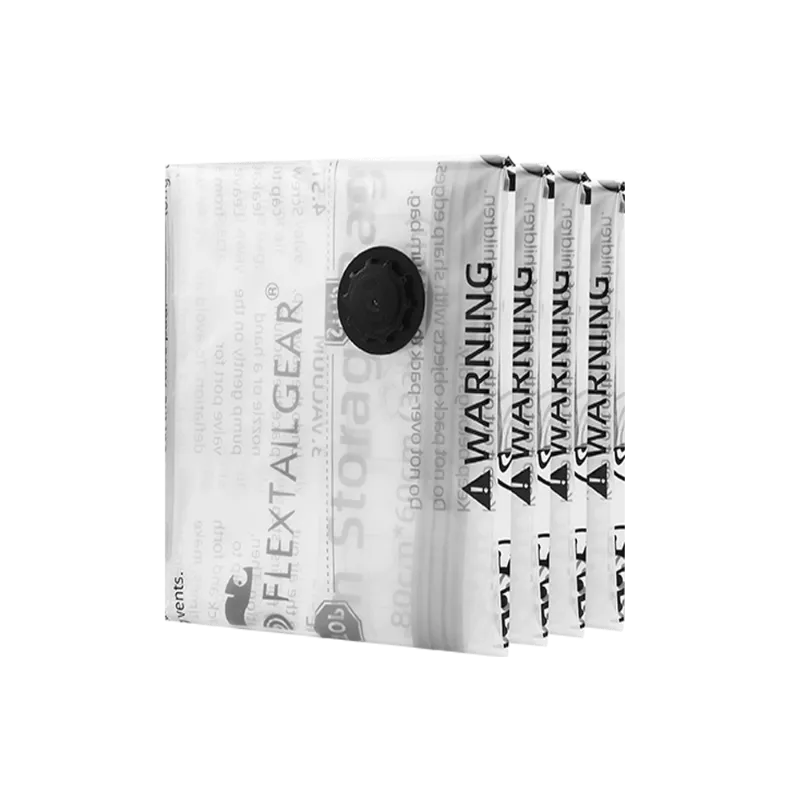
How to Use Flextail Vacuum Bags for Travel: Step-by-Step Guide
Vacuum travel bags compress your clothes and soft items by removing trapped air, saving up to 80% of suitcase space. We tested Flextail's vacuum travel bags alongside their electric air pump to show you exactly how to pack, seal, and compress for stress-free travel.
Flextail offers several bag options including vacuum seal bags, vacuum dress bags, and vacuum storage bags designed for different item types. All work with the same core technique, whether you use a manual hand pump or an electric option.
What You Need Before You Start
Before packing your first bag, gather these essentials:
- Flextail vacuum bags in the size you need (roll-up bags or valve-style bags)
- A compatible pump such as the Flextail air pump or electric bike pump
- Clean, dry clothing (damp fabrics can mildew when sealed)
- A flat surface for rolling and sealing
Most Flextail vacuum travel bags with pump systems use a universal valve that fits their entire pump range. If you frequently travel, pairing bags with a rechargeable electric air pump saves time and effort compared to hand pumps. Check the latest price on pump and bag bundles to find the best setup for your trips.
Step-by-Step Packing and Sealing Process
Step 1: Sort and Fold Your Items
Lay clothing flat and fold items into neat rectangles roughly the size of the bag's bottom. Avoid overstuffing; bags work best at 70-80% capacity. Bulky items like sweaters and jackets compress the most, while delicate fabrics may wrinkle.
Group similar items together: shirts in one bag, pants in another. This keeps you organized when you arrive and makes repacking easier.
Step 2: Load the Bag and Seal the Zipper
Place folded items inside the bag, distributing weight evenly. Leave about two inches of space around the edges. Close the zipper by sliding the locking mechanism slowly from one end to the other, pressing firmly. Run your finger along the entire seal twice to confirm it's fully closed.
For bags with a double-zipper system, close both tracks completely. A partial seal will leak air and ruin compression.
Step 3: Remove Air Using Your Pump
For roll-up vacuum seal bags (no valve): Starting at the opposite end from the zipper, press down and roll tightly toward the sealed edge, forcing air out through the one-way valve or zippered opening.
For valve-style bags: Attach your pump nozzle to the valve, ensuring a snug fit. Turn on your electric pump or start pumping manually. You'll see the bag shrink as air evacuates. Stop when the bag is firm and items are tightly compressed (usually 30-60 seconds with an electric pump, 2-3 minutes by hand).
Remove the pump nozzle quickly and press the valve cap closed if your bag has one. The valve automatically seals on most Flextail designs.
Step 4: Test the Seal
Press gently on the compressed bag. It should stay firm without re-expanding. If it starts puffing up, recheck the zipper seal and valve connection, then pump again.
Independent testers from Travel + Leisure and PureWow consistently rank vacuum travel bags with rechargeable pump options highest for reliability and speed.
Choosing the Right Flextail Bags and Pump Combination
Different trips call for different setups. Here's how we match bags to scenarios:
| Trip Type | Best Bag Option | Recommended Pump |
|---|---|---|
| Weekend getaway (2-3 days) | Small vacuum seal bags | Manual hand pump or compact air pump |
| Week-long vacation | Medium vacuum travel bags | Electric air pump for speed |
| Extended travel or moving | Large vacuum storage bags + dress bags | Electric bike pump with high airflow |
We prefer electric pumps for trips longer than four days because manually pumping multiple large bags is exhausting. Flextail's electric models also double as inflators for air mattresses and pool toys, adding value beyond luggage compression.
Pair your pump with a 10000 mah power bank or 5000mah power bank if you'll need to re-compress bags mid-trip without wall access. Many hotel rooms lack convenient outlets near luggage areas.
Best Practices for Vacuum Travel Bags
Protect delicate fabrics: Place silk, linen, or embellished items in a thin protective layer (like a pillowcase) before vacuum sealing. Compression can set wrinkles in delicate weaves.
Don't seal damp items: Even slightly damp clothes will develop odors or mildew in an airtight bag. Pack only completely dry items.
Leave space in your suitcase: Vacuum bags create dense, heavy blocks. Distribute them evenly in your luggage and surround them with shoes or toiletries to prevent shifting.
Plan for return trips: Save your bags and pump. You'll need them to repack for the flight home. We keep our Flextail pump charged using a portable power bank during travel.
Avoid sharp objects: Pens, tweezers, or jewelry with points can puncture bags. Pack hard items separately or cushion them well.
Release air slowly at your destination: When unpacking, open the valve gradually or unzip slowly to let fabrics relax and release wrinkles naturally.
Maintaining Your Bags and Troubleshooting Common Issues
After each trip, wipe bags clean with a damp cloth and let them air dry completely before folding. Store them flat or loosely rolled, never tightly compressed, to preserve the zipper and valve.
Bag won't stay compressed: Check for small punctures by submerging the sealed, compressed bag in water and watching for bubbles. Patch holes with heavy-duty clear tape or replace the bag.
Zipper won't close smoothly: Clean the zipper tracks with a dry toothbrush to remove lint and debris. A sticky zipper often means something is caught in the seal.
Valve leaks air: Ensure the valve cap is pressed fully closed. If the valve itself is damaged, contact Flextail for a replacement (most valves are modular).
Pump doesn't fit the valve: Flextail bags and pumps use a standardized connection, but third-party bags may have different valve sizes. Stick with matching Flextail products for guaranteed compatibility.
Grab the code for 15% off sitewide, including all vacuum bag and pump combinations, and test the system yourself before your next trip.
Who Should Use Vacuum Travel Bags
Vacuum compression works best for travelers who:
- Pack bulky cold-weather gear like coats, fleeces, and sweaters
- Travel with family and need to consolidate multiple people's clothing into fewer suitcases
- Move between accommodations frequently and want organized, compact luggage
- Store seasonal clothing at home between trips
They're less useful for business travelers packing suits (compression creates wrinkles) or minimalists who already pack light. We also skip vacuum bags for trips under two days when a small carry-on suffices.
Testers at My Subscription Addiction highlight that the best vacuum travel bags combine durability with truly airtight seals, qualities we found consistent across Flextail's range.
Pair your vacuum bags with practical travel accessories like a collapsible bucket for laundry or a Flextail flashlight for packing in dim hotel rooms, and you'll have a complete, space-efficient travel kit.
Frequently asked questions
Can I use Flextail vacuum travel bags with any pump?
Flextail bags work best with Flextail pumps because they share a standardized valve connection. Third-party pumps may not fit the valve properly, leading to air leaks or incomplete compression.
How long do vacuum travel bags stay compressed?
High-quality vacuum bags stay compressed for weeks or even months if properly sealed. Most travelers find bags remain firm throughout a typical one- to two-week trip without needing to re-pump.
Will vacuum sealing damage my clothes?
Vacuum sealing is safe for most fabrics like cotton, polyester, and fleece. Delicate materials like silk or heavily embellished items may wrinkle or snag, so wrap them in a protective layer or pack them separately.
Do I need an electric pump or is a hand pump enough?
Hand pumps work fine for one or two small bags, but an electric pump saves significant time and effort if you're compressing multiple large bags or travel frequently. Electric models compress a large bag in under a minute.
Can I bring vacuum travel bags through airport security?
Yes, vacuum-sealed bags are allowed in checked and carry-on luggage. Security may ask you to open them for inspection, so pack your pump in case you need to re-compress after screening.
What's the difference between vacuum seal bags and vacuum storage bags?
Vacuum seal bags are typically smaller and designed for travel, while vacuum storage bags are larger and meant for long-term home storage of seasonal clothing or bedding. Both use the same compression principle.