
How to Inflate a Sleeping Pad with the Flextail Portable Pump

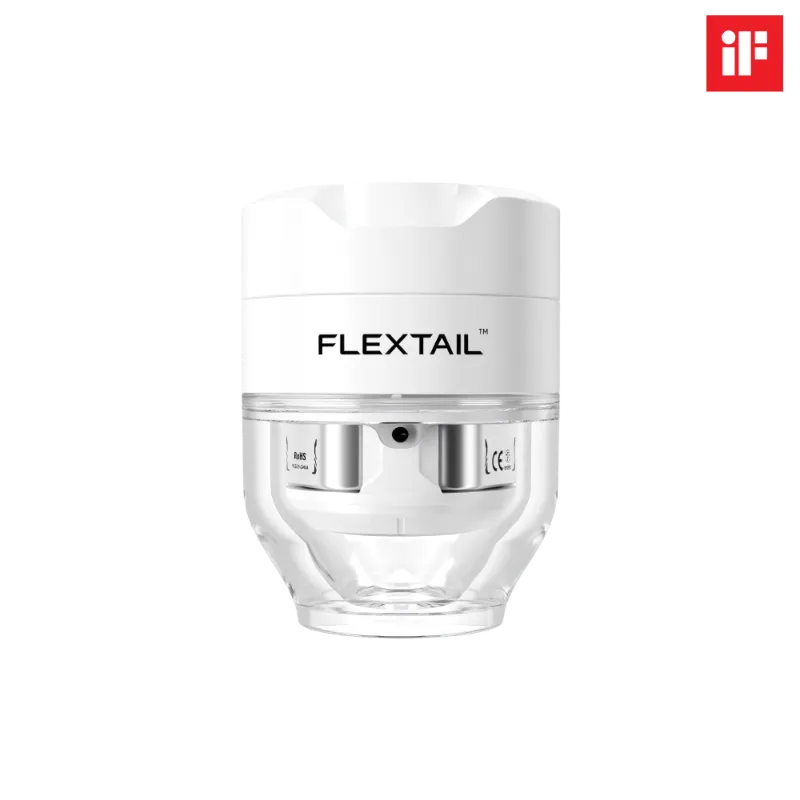
How to Inflate a Sleeping Pad with the Flextail Portable Pump
A portable pump inflates your sleeping pad in seconds, sparing your lungs and letting you set up camp faster. The Flextail air pump delivers effortless inflation with multiple nozzle adapters and rechargeable power, making it the go-to tool for backpackers, car campers, and anyone tired of manual inflation. We tested it across different pad valves and camping conditions to show you exactly how to use it.
What You Need Before You Start
Gather these items before inflating your sleeping pad:
- Your Flextail air pump or electric air pump, fully charged
- The sleeping pad with its valve accessible
- The correct nozzle adapter for your pad's valve (most Flextail pumps include three to five sizes)
- A 5000mah power bank or 10000 mah power bank for backup charging on multi-day trips
Check the pump's battery indicator before heading out. A full charge typically inflates 10 to 15 standard sleeping pads, but cold weather reduces battery performance by 20 to 30 percent.
Step-by-Step Inflation Process
Follow this sequence to inflate your pad quickly and evenly:
- Match the nozzle to your valve – Twist the appropriate adapter onto the pump nozzle until it locks. Most sleeping pads use either a flat valve (common on Therm-a-Rest and Sea to Summit) or a Boston valve (found on many budget pads).
- Open the pad valve fully – Unscrew or flip open the valve cap and press the internal flap if your pad has a one-way valve. This prevents air from escaping during connection.
- Attach the pump securely – Press the nozzle adapter into the valve opening and hold it firmly in place. A loose connection will let air escape and extend inflation time.
- Start the pump – Press the power button once for low speed or twice for high speed. High speed inflates a standard 20×72-inch pad in 40 to 60 seconds, while low speed takes 90 to 120 seconds but runs quieter.
- Monitor firmness – Watch and feel the pad as it expands. Stop when it reaches 80 to 90 percent of your desired firmness, then remove the pump and quickly close the valve.
- Top off manually if needed – Add a few breaths by mouth if you prefer a firmer surface. Over-inflation stresses pad seams and reduces insulation performance.
We recommend checking the latest price on the Flextail site before your next trip, especially during seasonal sales.
Choosing Between Inflate and Deflate Modes
Most portable air pump models include both inflation and deflation functions. Switch modes by pressing the power button three times or by reversing the nozzle direction, depending on your model.
When to inflate:
- Setting up camp for the night
- Testing a new pad at home
- Adjusting firmness mid-sleep
When to deflate:
- Breaking camp in the morning
- Compressing the pad for storage
- Removing air after a leak repair
Deflation mode packs your sleeping pad smaller and faster than rolling by hand. It also works with vacuum storage bags and vacuum travel bags to save space in your vehicle or closet. According to The Best Portable Electric Mini-Pumps of 2025, two-way pumps reduce pack-up time by 40 percent compared to manual methods.
Troubleshooting Common Inflation Problems
Address these issues when your pump underperforms:
Air leaks during inflation – Check that the nozzle adapter fully covers the valve opening. Press harder or switch to a larger adapter if air escapes around the edges. Inspect the pad valve for cracks or debris.
Pump stops mid-inflation – The battery may be drained or the motor overheated. Let the pump cool for five minutes, then finish with manual breaths. Carry a backup power bank on long trips.
Pad inflates unevenly – Internal baffles may be twisted. Disconnect the pump, shake the pad to distribute air, then reconnect and continue. This happens more often with new pads that have never been fully inflated.
Pump runs but produces weak airflow – The intake vent may be blocked by dirt or fabric. Clear any obstructions and wipe the vent with a dry cloth. Store your pump in a protective pouch between uses.
If you frequently inflate multiple items, consider an electric bike pump for higher-volume applications or a tire pump for vehicle tires alongside your camping gear. Grab the code to save 15 percent sitewide on Flextail gear.
Maximizing Battery Life in the Field
Extend your small portable pump runtime with these strategies:
- Charge fully before departure – Even a 95 percent charge reduces available cycles by 10 to 15 percent compared to a complete charge.
- Use low speed for smaller pads – Low speed consumes 40 percent less battery than high speed and works fine for pads under 25 inches wide.
- Warm the battery in cold weather – Keep the pump inside your sleeping bag or jacket pocket when temperatures drop below 40°F. Cold batteries deliver 20 to 30 percent less power.
- Inflate in one session – Stopping and restarting the motor wastes energy. Inflate each pad completely before moving to the next.
- Avoid deflating with the pump – Manual rolling uses zero battery. Save deflate mode for situations where speed matters more than power conservation.
A fully charged best portable pump typically delivers 15 to 20 inflation cycles per charge under ideal conditions. Real-world performance ranges from 10 to 15 cycles depending on pad size, temperature, and inflation speed.
Maintenance Tips to Keep Your Pump Running
Clean and store your portable pump for car and camping trips properly:
- Wipe the nozzle and adapters with a damp cloth after each trip to remove dirt and moisture
- Store the pump in a dry stuff sack or protective case, away from sharp objects
- Recharge the battery every three months during off-season storage to prevent capacity loss
- Inspect the intake and exhaust vents before each trip and clear any debris
- Test the pump at home before major expeditions to confirm full functionality
We also use our Flextail pump to inflate collapsible bucket edges, pool floats, and other camping inflatables, making it a versatile tool beyond sleeping pads. The same pump works for vacuum-sealing vacuum seal bags in reverse mode, helping you compress clothing and gear for travel.
When to Choose Manual Over Electric Inflation
Skip the pump in these scenarios:
- Ultra-lightweight backpacking – Every ounce counts, and pump-compatible pads with stuff-sack inflation systems weigh 50 to 80 grams less than carrying a separate pump.
- Single-night trips – Manual inflation takes two to three minutes and requires no battery management.
- High-altitude camping above 10,000 feet – Thin air reduces pump efficiency by 15 to 25 percent, making manual inflation nearly as fast.
- When your pump battery dies – Always know how to inflate manually as a backup method.
For car camping, family outings, and multi-day trips where weight matters less than convenience, a portable air pump saves significant time and effort. Check current pricing to see if a pump fits your camping budget and style.
Frequently asked questions
How long does it take to inflate a sleeping pad with a portable pump?
Most sleeping pads inflate in 40 to 90 seconds depending on pad size and pump speed. A standard 20×72-inch pad takes about one minute on high speed.
Can I use the Flextail pump to deflate my sleeping pad?
Yes, most Flextail pumps include a deflate mode that removes air in 30 to 45 seconds. This compresses the pad smaller than manual rolling and speeds up pack-up time.
What happens if the nozzle adapter does not fit my sleeping pad valve?
Try the other included adapters, as most Flextail pumps come with three to five sizes. If none fit, you can inflate the pad near the valve opening and let air flow in, though this takes slightly longer.
How many sleeping pads can I inflate on a single charge?
A fully charged portable pump inflates 10 to 15 standard sleeping pads under normal conditions. Cold weather and high-speed use reduce this to 8 to 12 pads per charge.
Will over-inflating damage my sleeping pad?
Over-inflation stresses seams and reduces insulation by compressing the internal baffles. Stop when the pad reaches 80 to 90 percent firmness, then top off manually if needed.
Can I use a tire pump instead of an air pump for camping?
A tire pump works but delivers higher pressure that can over-inflate delicate sleeping pads. Use short bursts and monitor firmness closely, or choose a pump designed for inflatables.