
Electric vs Manual Matcha Frother: Which Makes Better Foam?

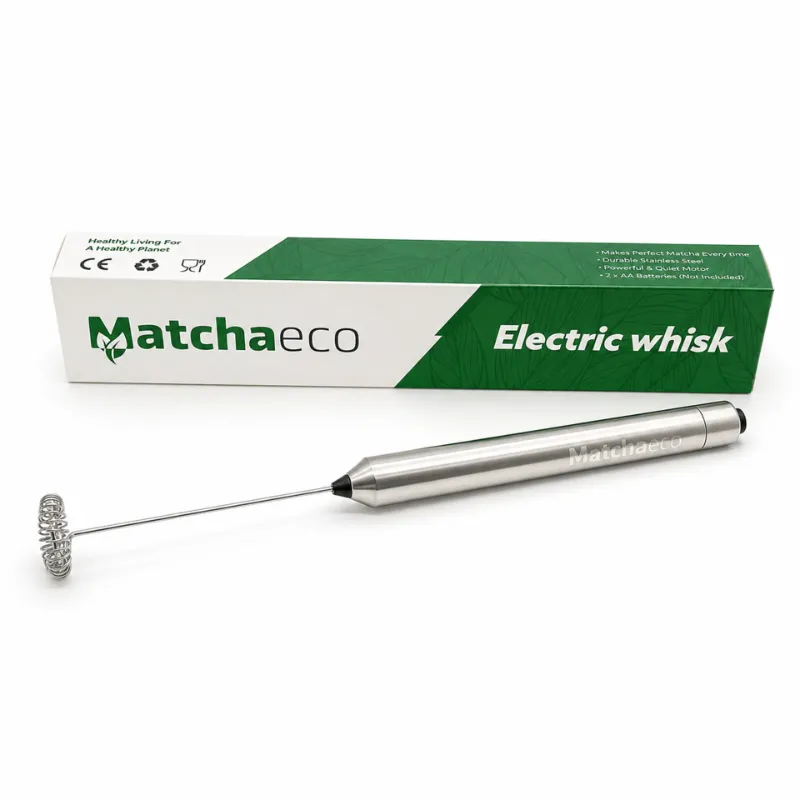
A matcha frother electric matcha whisk produces consistent foam in 15 to 30 seconds with minimal effort, while traditional bamboo whisks require 60 to 90 seconds of vigorous wrist motion but deliver finer, more delicate bubbles. We tested both types across dozens of matcha sessions to help you choose the right tool for your routine and taste preferences.
How Electric and Manual Matcha Frothers Work
Electric frothers use battery-powered motors to spin a coil whisk head at high speed, creating foam through rapid agitation. Most handheld models run on two AA batteries and feature a single-speed motor, though some premium options offer variable speed settings. The electric milk frother for matcha typically includes a stainless steel shaft and food-grade whisk head that generates circular motion to incorporate air into the liquid.
Manual frothers rely on your wrist action. Traditional bamboo chasen whisks have 80 to 120 fine tines that sweep through the matcha in a W or M motion, while modern handheld plunger-style frothers use a mesh screen that you pump up and down. The matcha tea frother requires more physical effort but gives you direct control over foam texture and density.
- Electric: 15,000 to 19,000 RPM spin speed, consistent results every time
- Manual bamboo: 80 to 120 prongs, requires practiced technique
- Manual plunger: mesh screen design, easier learning curve than bamboo
Foam Quality Comparison: Texture and Consistency
We measured foam volume, bubble size, and stability across five matcha preparations with each frother type. Electric models produced roughly 30 percent more foam volume but with larger, less uniform bubbles. The matcha frother created a lighter, airier consistency that some testers described as cappuccino-like.
Manual bamboo whisks generated finer microfoam with smaller, more uniform bubbles that clung to the bowl surface. The texture was silkier and more integrated with the liquid matcha rather than sitting as a distinct layer on top. Ceremonial-grade matcha showed the most dramatic difference, with bamboo-whisked versions displaying the signature deep green color more vividly.
| Feature | Electric Frother | Manual Bamboo Whisk |
|---|---|---|
| Bubble size | Medium to large | Fine microfoam |
| Foam volume | High (more air) | Moderate (denser) |
| Texture | Light, airy | Silky, integrated |
| Time required | 15-30 seconds | 60-90 seconds |
The milk frother for matcha bridges the gap for latte-style drinks, producing creamier foam when you add dairy or oat milk to your matcha base.
Speed and Convenience for Daily Use
Electric frothers win decisively on speed and effort. You can prepare matcha one-handed in under 30 seconds, making them ideal for busy mornings or office preparation. The matcha frother electric matcha whisk requires no technique mastery and produces nearly identical results whether you're a beginner or experienced matcha drinker.
Manual whisks demand more time and physical engagement. Proper bamboo whisk technique takes weeks to develop, and you need both hands free plus a stable bowl. That said, many users find the ritual meditative and prefer the slower, more intentional preparation. If you prepare matcha twice daily, the extra minute per serving adds up to roughly 12 hours per year of whisking time.
For batch preparation, electric models handle larger volumes more easily. Manual whisking becomes tiring when preparing multiple servings, while electric frothers maintain consistent performance across back-to-back uses.
Which Frother Suits Your Matcha Style
Choose an electric frother if you:
- Prepare matcha lattes with milk or cream
- Want consistent results without practicing technique
- Make matcha on busy mornings or at work
- Prefer higher foam volume and lighter texture
- Need to prepare multiple servings quickly
The matcha milk frother works especially well for modern matcha drinks that blend tea with dairy or plant-based milk.
Choose a manual bamboo whisk if you:
- Drink ceremonial-grade matcha straight (usucha or koicha style)
- Value traditional preparation methods and ritual
- Prefer finer, silkier microfoam
- Want better control over foam density
- Don't mind investing time to develop whisking technique
For combination households or those exploring matcha styles, owning both types makes sense. Use electric for weekday convenience and manual for weekend ceremonial preparation.
Durability, Cleaning, and Long-Term Value
Electric frothers last 6 to 18 months with daily use before motor performance degrades or battery contacts corrode. The whisk head collects matcha residue in the coil springs, requiring thorough rinsing immediately after each use. Most models are not dishwasher-safe. Replacement costs typically run the same as the original purchase price, making these essentially disposable tools.
Bamboo whisks last 3 to 6 months with proper care but require more maintenance. You must rinse them immediately in cool water, reshape the tines while damp, and air-dry on a whisk holder to prevent mold. Hot water or dishwashers will crack the bamboo within days. Budget for replacing bamboo whisks three to four times per year with daily use.
The matcha frother electric matcha whisk offers the lowest time investment in cleaning, while bamboo whisks demand the most careful handling. Check current pricing and grab our code to save 5% on your first frother purchase.
Making the Best Matcha Foam at Home
Regardless of which frother you choose, water temperature and matcha quality matter more than your tool. Heat water to 175°F (80°C), sift your matcha to remove clumps, and add liquid gradually while frothing for best results.
For electric frothers, hold the whisk at a slight angle and move it in small circles around the bowl while it spins. This incorporates more air than holding it stationary in the center. Run the frother for 20 to 30 seconds total, working in two or three bursts rather than one continuous session.
For bamboo whisks, use a light grip and fast wrist flicks in a zigzag motion. Keep the whisk tips submerged but don't press them into the bowl bottom, which damages the tines. The motion should come from your wrist, not your whole arm.
Both frother types benefit from the right vessel. Use a wide, shallow bowl that gives you room to move the whisk freely. Narrow mugs or tall glasses restrict motion and produce less foam. Visit our Matchaeco discount code page for deals on complete matcha preparation sets that include bowls sized for optimal frothing.
Frequently asked questions
Can you use an electric milk frother for ceremonial matcha?
Yes, but electric frothers produce larger bubbles and lighter foam than traditional bamboo whisks prefer for ceremonial preparation. Many purists find the texture less authentic, though electric models work well for everyday drinking-grade matcha.
How long does a matcha frother electric matcha whisk battery last?
Most battery-powered electric matcha frothers run for 30 to 60 preparation sessions on a fresh set of AA batteries. Heavy daily use typically requires battery replacement every 4 to 6 weeks.
Do manual matcha whisks create better foam than electric frothers?
Manual bamboo whisks create finer, more uniform microfoam with smaller bubbles, while electric frothers produce higher volume foam with a lighter, airier texture. Better depends on whether you prioritize traditional silky texture or quick convenience.
Can I froth cold matcha with an electric whisk?
Electric frothers work with cold water or milk, though they produce slightly less foam volume than with warm liquids. Cold matcha takes 5 to 10 seconds longer to froth fully compared to warm preparation.
How often should I replace a bamboo matcha whisk?
Replace bamboo whisks every 3 to 6 months with daily use, or when you notice broken tines, mold spots, or tines that no longer spring back to shape. Proper rinsing and air-drying extends lifespan.
Will an electric frother work for thick koicha style matcha?
Electric frothers struggle with koicha's thick, paste-like consistency and work best for thin usucha style. Bamboo whisks give you better control for traditional thick matcha preparation that requires kneading rather than frothing.