
Do You Need a Milk Frother for Matcha Tea?

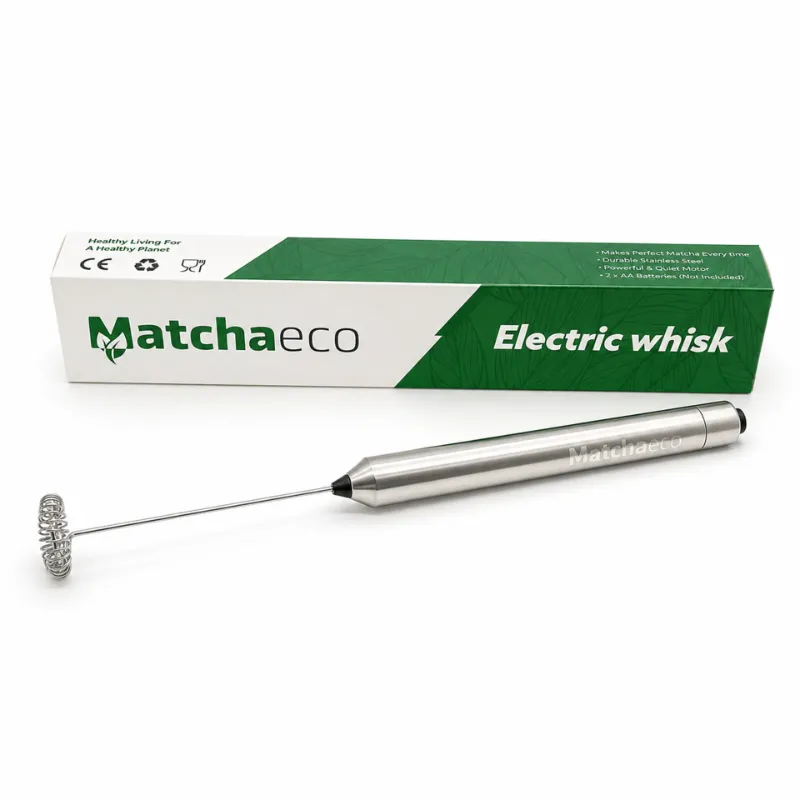
No, you don't strictly need a milk frother for matcha, but it simplifies the process and cuts preparation time significantly. Traditional bamboo whisks work beautifully for ceremonial preparation, yet an electric milk frother for matcha delivers consistent froth in seconds without the learning curve or arm fatigue.
We tested both methods across dozens of bowls and lattes to see which tools genuinely improve your daily matcha ritual. Here's what we found about when a frother makes sense and when you're better off sticking with tradition.
What a Milk Frother Does for Matcha
A matcha frother breaks up clumps and aerates the powder into a smooth, frothy layer. Electric models spin at high speeds (typically 11,000 to 19,000 RPM) to emulsify matcha with water or milk in 15 to 30 seconds. Handheld stick frothers work especially well for single servings, while larger pitcher frothers suit batch preparation or matcha lattes.
Key benefits we noticed:
- Speed: 20 seconds versus 60 to 90 seconds with a bamboo whisk
- Consistency: even froth every time, no technique required
- Convenience: one-button operation, no wrist motion
- Versatility: the same tool froths milk for lattes, cappuccinos, and hot chocolate
Traditional bamboo whisks (chasen) create a fine, delicate foam and honor the ceremonial ritual, but they require proper angle, pressure, and a W or M motion. For daily matcha drinkers juggling morning routines, a milk frother for matcha removes the friction.
Milk Frother vs Traditional Whisk: Which Wins?
The answer depends on your priorities. We compared both tools side by side, and the debate on Reddit reflects what we found in testing.
| Feature | Milk Frother | Bamboo Whisk |
|---|---|---|
| Prep time | 15-30 seconds | 60-90 seconds |
| Texture | Dense, creamy froth | Fine, delicate foam |
| Learning curve | None | Moderate |
| Durability | 1-3 years (battery) | 1-2 years (prongs break) |
A bamboo whisk wins on authenticity and the meditative quality of preparation. A matcha tea frother wins on speed, ease, and multitasking. If you drink matcha daily and also make lattes or cappuccinos, the frother pays for itself in saved time within weeks. If you value the ritual and prepare matcha two or three times a week, the whisk keeps the experience intentional.
For matcha lattes specifically, we strongly prefer a milk frother for matcha latte preparation. Whisking matcha into cold or hot milk takes longer and leaves more sediment than frothing the matcha with a splash of water first, then adding frothed milk.
Choosing the Best Frother for Matcha
Not all frothers perform equally with matcha powder. We tested handheld, pitcher, and wand-style models to see which features matter most.
Motor speed makes the biggest difference. Look for models rated at 11,500 RPM or higher. Slower frothers leave clumps and produce thin foam. The matcha frother electric matcha whisk we tested hit 19,000 RPM and dissolved even ceremonial-grade powder in 18 seconds.
Whisk head design also matters. Coil-spring heads work well for matcha because the tight spiral cuts through powder better than paddle or ball designs. Wirecutter's top-rated frothers use coil or double-coil heads for exactly this reason.
Battery vs USB rechargeable: we prefer rechargeable models. Disposable batteries die mid-froth and create waste. A rechargeable electric milk frother for matcha holds a charge for 30 to 40 uses and eliminates the hassle of keeping AAA batteries stocked.
Material: stainless steel shafts and BPA-free plastic housings last longer than all-plastic models. We've seen cheaper frothers crack at the seam where the motor meets the shaft after a few months of daily use.
Before you buy, check the latest price and grab the current discount code for 5% off.
How to Use a Milk Frother for Matcha
The technique differs slightly from frothing milk. Here's the method that gave us the smoothest results every time.
- Sift matcha: push 1 to 2 teaspoons through a fine-mesh sieve into your cup or bowl to remove clumps before frothing
- Add liquid: pour 2 to 3 ounces of water (175°F or cooler) over the matcha
- Froth at an angle: hold the matcha milk frother at a 45-degree angle, submerge the whisk head completely, and turn it on
- Move in circles: gently tilt and rotate the cup while the frother runs for 15 to 20 seconds
- Lift slowly: raise the frother to the surface in the final 5 seconds to build foam on top
For lattes, froth your matcha with a small amount of water first, then add your milk (frothed separately or poured cold). Trying to froth matcha directly into a full cup of milk creates uneven mixing and wastes powder that sticks to the sides.
Cleaning and Care Tips
Matcha stains. The bright green powder clings to whisk heads, cup rims, and anything porous. Clean your frother immediately after each use to prevent buildup.
Daily rinse: run the frother in a cup of warm water for 10 seconds, then wipe the shaft with a damp cloth. This removes 90% of residue and takes under 30 seconds.
Deep clean weekly: remove the whisk head if detachable, soak it in warm soapy water for 5 minutes, then scrub gently with a soft brush. Avoid submerging the motor housing.
Avoid the dishwasher: heat and moisture damage the motor seals and battery. Hand-wash only, even if the product claims dishwasher-safe components.
Stainless steel shafts resist staining better than plastic. If green tint appears, a paste of baking soda and water scrubbed with a toothbrush lifts it in one or two passes.
Who Should Skip the Frother
A frother isn't for everyone. You're better off with a traditional bamboo whisk if you:
- Prepare matcha two or fewer times per week (the whisk stays sharp longer with lighter use)
- Value the meditative, hands-on ritual of traditional preparation
- Drink only usucha (thin tea) and never make lattes or other frothed drinks
- Prefer single-purpose tools and don't want another gadget to charge or store
We also found that ceremonial-grade matcha prepared in a wide, shallow bowl produces slightly better texture with a bamboo whisk than a frother. The whisk's broad sweeping motion incorporates more air and creates a finer crema. For culinary-grade matcha, lattes, and iced drinks, the difference disappears.
If you do opt for an electric option, grab the code before ordering to save 5% on your frother and matcha essentials.
Our Take: When a Frother Makes Sense
After weeks of back-to-back testing, we reach for the frother on busy mornings and the whisk on slow weekends. Speed and convenience win for daily use, but the ritual and texture of a traditional whisk still have their place.
If you drink matcha four or more times per week, make lattes regularly, or want the flexibility to froth milk for other drinks, an electric option like the matcha tea frother pays off quickly. If matcha is an occasional treat or you're drawn to the meditative aspects of tea preparation, a bamboo whisk keeps the experience intentional and authentic.
Both tools work. The best choice depends on how matcha fits into your routine and whether you value speed or ceremony more.
Frequently asked questions
Can I use a regular milk frother for matcha?
Yes, any handheld milk frother works for matcha as long as it spins at 11,000 RPM or higher. Look for a coil-spring whisk head, which breaks up powder more effectively than paddle or ball designs.
Does a milk frother make matcha taste better than a whisk?
No, taste stays the same. A frother changes texture slightly, producing denser foam, while a bamboo whisk creates finer, more delicate froth. Both dissolve the powder fully when used correctly.
How long does a handheld matcha frother last?
Most rechargeable frothers last one to three years with daily use. Battery life degrades over time, and cheaper models may crack at the motor seal. Stainless steel shafts outlast plastic ones.
Do I still need to sift matcha if I use a frother?
Yes, sifting removes clumps before frothing and ensures smooth, even foam. A frother can break up small clumps but struggles with compressed chunks straight from the tin.
What's better for matcha lattes, a frother or a whisk?
A frother works better for lattes because it emulsifies matcha into milk faster and more evenly. Whisking matcha directly into milk takes longer and often leaves sediment at the bottom.
Can I froth matcha and milk together in one step?
You can, but we don't recommend it. Frothing matcha with a small amount of water first, then adding frothed or cold milk separately, produces smoother texture and better color distribution.