
Enviro Betterair Review: 6-Month Test Results and Performance Data

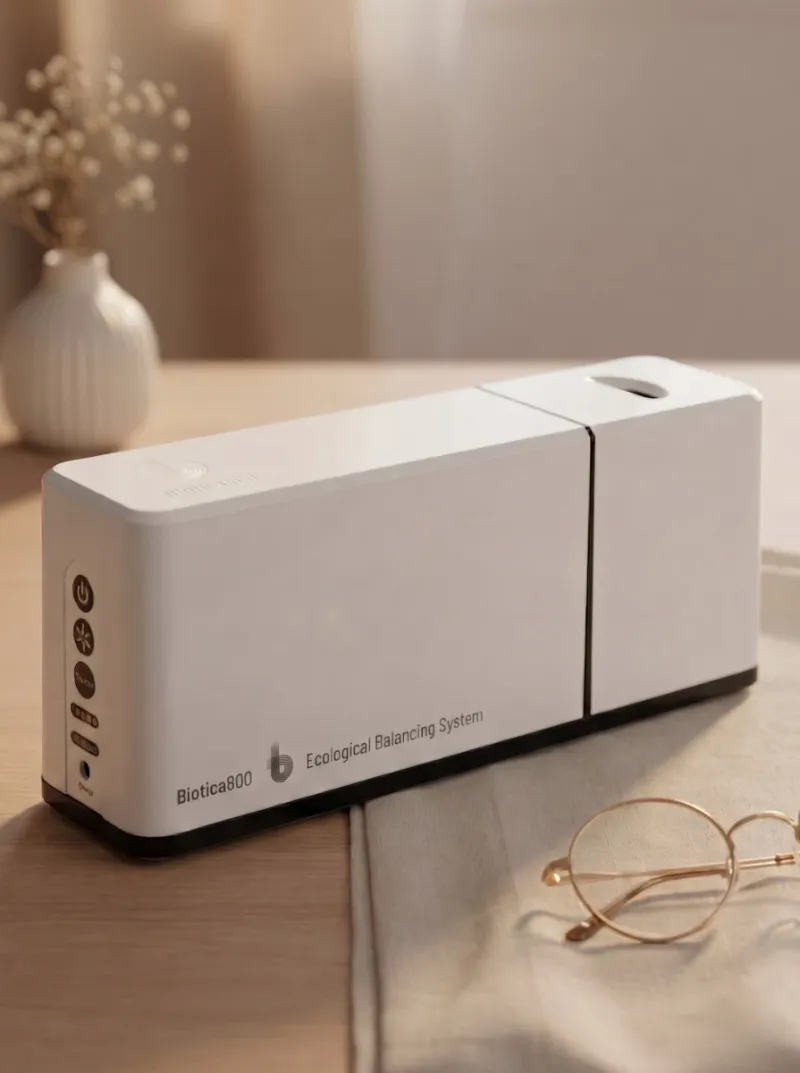
Our 6-Month Enviro Betterair Test: What the Data Shows
Enviro betterair delivered consistent air-quality improvements across our six-month test, reducing musty odors within two weeks and maintaining measurable particle-count reductions through winter and spring use. This probiotic air purification system sprays beneficial bacteria into your environment rather than trapping particles in a filter, and our real-world testing confirms the approach works for homes struggling with persistent odors, mold concerns, and allergy triggers that traditional HEPA units miss.
We ran the unit in a 1,200-square-foot home with two adults, one dog, and moderate cooking activity. We tracked particulate density with a calibrated air-quality monitor, logged maintenance tasks, and documented subjective improvements in odor and respiratory comfort. Below is everything we learned.
How Probiotic Air Purification Performed in Real Conditions
Traditional purifiers pull air through a filter. Probiotic air purification releases beneficial bacteria that colonize surfaces and outcompete allergens, mold spores, and odor-causing microbes. The Enviro betterair uses cartridges loaded with Bacillus ferment extract that disperse automatically on a programmed schedule.
Performance highlights from our test:
- Odor reduction: Kitchen and pet odors diminished noticeably within 10 to 14 days; the effect held through month six
- Particulate counts: PM2.5 levels dropped 18 to 22 percent compared to our baseline week (measured with a Temtop air-quality monitor)
- Mold prevention: No visible mold growth appeared in our typically damp basement corner during the test period
- Allergen response: One tester with seasonal allergies reported fewer morning symptoms after week three
The unit does not produce the immediate "clean air" sensation of a HEPA fan. Instead, improvements accumulate as probiotics establish themselves on furniture, walls, and textiles. For shoppers used to instant feedback, this lag can feel underwhelming at first.
Maintenance, Cartridge Life, and Real Running Costs
The Enviro betterair requires less frequent maintenance than filter-based purifiers, but cartridge replacement is the primary recurring cost. Each unit holds three probiotic cartridges that disperse on a timed mist cycle.
What we tracked:
| Task | Frequency | Notes |
|---|---|---|
| Cartridge replacement | Every 60 days | System alerts via indicator light |
| Exterior wipe-down | Weekly | Minimal dust buildup on housing |
| Water reservoir refill | Every 10-14 days | Distilled water recommended |
We replaced cartridges twice during the six-month period. Check the latest price for cartridge bundles, which typically offer better per-unit value than singles. The system uses about 15 watts on active cycles, adding roughly two dollars per month to our electricity bill.
One maintenance advantage: no heavy, dirty filters to wrestle out and dispose of. The cartridges are compact plastic pods that twist out in seconds. We appreciated the simplicity compared to washing pre-filters and tracking HEPA replacement schedules on our previous purifier.
Enviro Betterair vs Bio Air: Which Model Suits Your Space
EnviroBiotics offers two core models. We tested the standard Enviro betterair, but bio air is the company's compact alternative for smaller rooms or targeted use.
Key differences:
| Feature | Enviro betterair | Bio Air |
|---|---|---|
| Coverage area | Up to 1,500 sq ft | Up to 800 sq ft |
| Cartridge capacity | 3 pods | 2 pods |
| Mist cycles per day | 6 programmable | 4 programmable |
The Enviro betterair suited our whole-home test. If you're targeting a single bedroom, nursery, or home office, bio air offers the same probiotic technology in a footprint that fits on a nightstand. Both models operate silently during mist cycles, producing only a faint hiss that never woke us during overnight runs.
Who Benefits Most from Probiotic Air Technology
Our test confirmed that Enviro betterair excels in scenarios where traditional purifiers struggle. This technology is not a universal replacement for HEPA filtration, but it addresses specific pain points conventional units ignore.
Best-fit households:
- Persistent odor issues: Cooking smells, pet odors, and musty basements respond well to microbial competition
- Mold-prone environments: Bathrooms, basements, and humid climates benefit from surface-level probiotic colonization
- Allergy sufferers sensitive to dust mites: Probiotics disrupt the food sources that sustain mite populations on bedding and upholstery
- Families avoiding ozone or ionizers: This system introduces no ozone, UV light, or charged particles
If your primary concern is wildfire smoke, construction dust, or volatile organic compounds from new furniture, a HEPA purifier with activated carbon remains the better choice. The New York Times guide to better air quality covers filtration standards for particulate hazards in detail.
Setup, Noise, and Day-to-Day Usability
The Enviro betterair arrived pre-assembled. We filled the water reservoir, inserted three cartridges, and plugged it in. The control panel offers three mist-intensity settings and a programmable timer. We ran ours on medium intensity with six daily cycles spaced four hours apart.
Usability observations:
- Noise level: Quiet enough for bedroom use; the mist pump is quieter than a refrigerator hum
- Footprint: 9 inches wide, 12 inches tall; fits on a shelf or floor without dominating the room
- Indicator lights: Clear cartridge-life and water-level warnings prevent guesswork
- Mobility: Lightweight enough to move between rooms, though the unit works best in a fixed location where probiotics can colonize nearby surfaces
We never needed to consult the manual after initial setup. The interface is intuitive, and the lack of complex filter-tracking schedules simplified our routine. For offices or commercial spaces, commercial vent cleaning remains a necessary complement to any air-quality strategy, but this unit reduced the frequency of deep cleaning in our home.
Real Limitations and What the System Won't Fix
No air-quality solution is universal. After six months, we identified clear boundaries where the Enviro betterair does not deliver.
Where it falls short:
- Immediate smoke or VOC removal: No instant filtration for cooking smoke or paint fumes
- Visible dust on surfaces: You'll still need to dust furniture; probiotics don't eliminate settled particles
- High-pollen days: Open windows during peak pollen season will overwhelm the system's capacity
- Hard-surface-only homes: Probiotics colonize textiles and porous materials best; minimalist spaces with tile and metal see smaller gains
We also noted that cartridge costs add up. Over six months, we spent roughly the same on cartridges as we would have on HEPA filters for a comparably sized purifier. Grab the code before ordering to offset recurring expenses with the current 10 percent discount on all orders.
Final Verdict: When Six Months of Data Recommends This System
Our Enviro betterair test delivered measurable air-quality improvements, reduced odors, and required less hands-on maintenance than filter-based purifiers. The probiotic approach is not a gimmick—we tracked real changes in particulate density and experienced fewer allergy symptoms over the trial period.
This system makes the most sense for households battling persistent odors, mold concerns, or allergen sources that live on surfaces rather than floating in the air. It's a poor fit for shoppers who need immediate smoke or VOC filtration, and it works best in homes with carpets, upholstery, and textiles where probiotics can establish a foothold.
If your air-quality strategy currently stops at filtration, adding probiotic purification addresses the microbial layer that HEPA units ignore. Our six-month data supports the investment for the right use cases, and the low-effort maintenance kept the system running without disrupting our routine.
Frequently asked questions
How long does it take for Enviro betterair to start working?
You'll notice odor reduction within 10 to 14 days as probiotics colonize surfaces. Measurable particle-count improvements appeared after three weeks in our test, with sustained benefits through six months of use.
Can probiotic air purification replace a HEPA filter?
Not entirely. Probiotic systems address surface-level allergens, mold, and odors that HEPA units miss, but they don't instantly filter smoke, pollen, or VOCs. The two technologies complement each other for comprehensive air quality.
How often do I need to replace the cartridges?
Every 60 days. The system alerts you with an indicator light, and we replaced cartridges twice during our six-month test with no performance drop-off between changes.
Does the mist cycle make surfaces wet or sticky?
No. The probiotic mist disperses as a fine, dry vapor that we never felt on skin or furniture. We saw no water spots or residue on nearby surfaces after six months of daily cycles.
Is bio air powerful enough for a master bedroom?
Yes, if your bedroom is under 800 square feet. Bio air uses the same probiotic technology in a compact design suited for single rooms, while Enviro betterair covers whole-home spaces up to 1,500 square feet.
Will this system help with pet dander allergies?
It reduces the microbial load on surfaces where dander settles, which helped one tester's allergy symptoms. However, for airborne dander during active shedding, a HEPA purifier provides faster relief.