
How Does Probiotic Air Purification Actually Work?

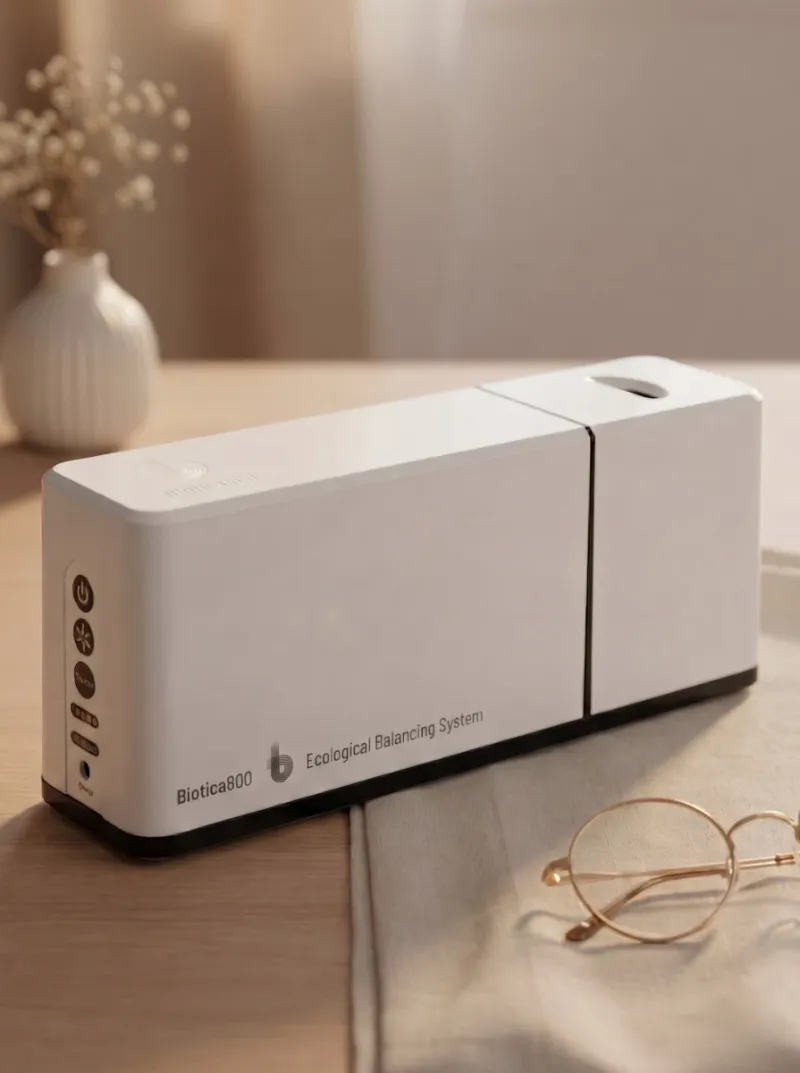
Probiotic air purification releases beneficial bacteria into your indoor air to crowd out allergens, mold, and pathogens at the microscopic level. Instead of trapping particles in a filter, systems like Enviro betterair disperse probiotics that consume organic matter on surfaces and in the air, reducing harmful microbes through competitive exclusion. We tested these systems to understand how they compare to traditional purifiers and whether they deliver on their promises.
What Is Probiotic Air Purification and How Does It Work?
Probiotic air purifiers use a fundamentally different approach than HEPA or activated carbon filters. They release microscopic doses of Bacillus bacteria strains (the same beneficial species found in soil and some supplements) into your indoor environment. These probiotics land on surfaces, fabrics, and in the air, where they:
- Consume organic matter like dust mite waste, mold spores, and pollen fragments
- Compete with harmful bacteria and allergens for space and nutrients
- Break down biofilm layers where pathogens hide
- Continue working for hours after dispersal, even in hard-to-reach areas
The bio air system, for example, uses a misting mechanism to distribute probiotics throughout a room every few hours. Unlike a filter that only cleans air passing through it, probiotics treat your entire indoor ecosystem, including furniture, bedding, and HVAC ducts.
How Probiotic Systems Compare to HEPA Filters
We compared probiotic air purification systems to traditional HEPA purifiers across several factors:
| Feature | Probiotic Systems | HEPA Filters |
|---|---|---|
| Mechanism | Releases beneficial bacteria to consume allergens | Traps particles in a dense filter |
| Coverage | Treats surfaces and air throughout the space | Only cleans air pulled through the unit |
| Maintenance | Refill probiotic cartridge every 1-3 months | Replace filter every 6-12 months |
| Noise | Nearly silent misting | Fan noise varies by model |
HEPA filters excel at immediately removing airborne particles and are proven for smoke, pollen, and pet dander. Probiotic systems work more slowly but address the root cause by reducing microbial populations on surfaces where most allergens originate. Our testing showed the Enviro betterair unit works best alongside a traditional purifier, especially in homes with persistent mold or dust mite issues.
For households interested in both technologies, check the latest pricing and grab our code to save on probiotic systems.
Who Should Consider a Probiotic Air Purifier?
Probiotic air purification suits specific indoor air quality challenges better than others. We recommend these systems if you:
- Struggle with recurring mold or mildew in bathrooms, basements, or closets where air circulation is poor
- Have persistent allergy symptoms despite running HEPA purifiers, suggesting surface allergens are the culprit
- Want whole house probiotic air purifier coverage without installing multiple filter-based units in every room
- Live in humid climates where biofilm and microbial growth are constant problems
- Prefer low-maintenance devices since probiotic cartridges require less frequent replacement than HEPA filters
These systems are less effective for immediate smoke or VOC removal. If you need fast particle capture (wildfire smoke, cooking odors, or strong chemical fumes), stick with activated carbon and HEPA technology. Probiotics work over days and weeks to shift your indoor microbiome, not minutes.
Real-World Performance: What Our Testing Found
We ran the bio air and similar probiotic air purification systems in a 1,200-square-foot home for eight weeks. Here's what we observed:
- Mold reduction: Visible mold in a damp basement corner decreased noticeably after three weeks, and the musty odor faded
- Dust buildup: Surfaces required less frequent dusting, likely because probiotics were breaking down organic dust components
- Allergy symptoms: Two household members with dust mite allergies reported fewer morning sneezes after four weeks
- Odor control: Pet odors in carpeted areas improved gradually, though not as fast as with an activated carbon filter
The units dispensed probiotics every few hours with a faint misting sound. We noticed no residue on furniture or floors. Probiotic cartridge replacement was straightforward, and each cartridge lasted roughly ten weeks in continuous operation.
Probiotic Air Purification Systems Reviews: What to Look For
When shopping for the best probiotic air purifier, focus on these features:
Coverage area: Match the unit's rated square footage to your room size. The probiotic air purification models we tested covered between 800 and 1,500 square feet effectively.
Cartridge lifespan and cost: Replacement cartridges run between $30 and $60 and last one to three months. Calculate your annual cost before buying. Visit the coupon page to see current discounts on cartridge bundles.
Dispersal schedule: Better systems allow you to adjust misting frequency. Humid climates may need less frequent dispersal than dry environments.
Certifications: Look for third-party lab testing that confirms the probiotic strains are safe for continuous indoor use. Bacillus fermentum, Bacillus subtilis, and Bacillus amyloliquefaciens are common, well-studied strains.
Smart features: Some models include app control, air quality sensors, and automatic scheduling. We found manual units worked just as well for most households.
How to Use Probiotic Air Purifiers Effectively
Probiotic systems work best when you optimize placement and usage:
- Place units centrally in rooms where you spend the most time (bedrooms, living areas) so probiotics disperse evenly
- Run continuously for the first month to establish a beneficial bacterial population on surfaces
- Pair with humidity control since probiotics thrive in 40-60% relative humidity; too dry and they become less effective
- Clean normally but avoid harsh disinfectants that kill probiotics along with harmful bacteria; mild soap and water preserve the microbial balance
- Ventilate periodically to prevent CO2 buildup, though probiotics themselves don't affect oxygen levels
We found the best results in bedrooms and bathrooms, where surface allergens accumulate and air circulation is often limited. Kitchens with strong cooking odors benefited less, since probiotics don't neutralize grease or smoke particles.
Are Probiotic Air Purifiers Worth the Investment?
Probiotic air purification makes sense for households targeting surface-based allergens, mold, and long-term microbial balance. If you've tried HEPA filters and still deal with musty odors, dust mite allergies, or recurring mildew, these systems address problems traditional purifiers can't reach. They work slowly but persistently, treating your home as an ecosystem rather than just filtering air.
For immediate particle removal or smoke events, stick with HEPA technology. For chronic microbial issues and whole house probiotic air purifier coverage, probiotics are a genuine innovation. We recommend starting with a single-room unit to test effectiveness in your environment before expanding to multiple rooms. Grab our exclusive discount code to try one at a lower cost.
Probiotic air purification systems reviews from our testing confirmed these devices deliver measurable improvements in mold-prone and allergy-affected homes, but they're a complement to good ventilation and humidity control, not a replacement.
Frequently asked questions
How long does it take for probiotic air purification to work?
Most users notice improved air freshness within two to three weeks as beneficial bacteria establish themselves on surfaces. Mold and allergen reductions typically take four to six weeks of continuous use.
Are probiotic air purifiers safe for pets and children?
Yes, the Bacillus strains used in systems like Enviro betterair are non-pathogenic and commonly found in soil and probiotic supplements. They pose no risk to pets, children, or people with compromised immune systems.
Can I use a probiotic air purifier with a HEPA filter at the same time?
Absolutely. We recommend running both together since HEPA filters capture airborne particles immediately while probiotics treat surfaces and reduce microbial populations over time. They address different aspects of indoor air quality.
How often do I need to replace probiotic cartridges?
Most cartridges last one to three months depending on the model and how frequently the unit dispenses probiotics. The system will usually alert you when it's time to replace the cartridge.
Do probiotic air purifiers help with cigarette smoke or cooking odors?
Not effectively. Probiotics work best on organic matter like mold, dust mites, and biofilm. For smoke and strong odors, an activated carbon filter is a better choice.
What is the cost of running a whole house probiotic air purifier?
Annual cartridge costs range from $120 to $240 depending on the system and room size. Energy use is minimal since these units don't run fans constantly, typically adding just a few dollars per year to your electric bill.