
Do Probiotic Air Purifiers Like Betterair Really Kill Mold and Allergens?

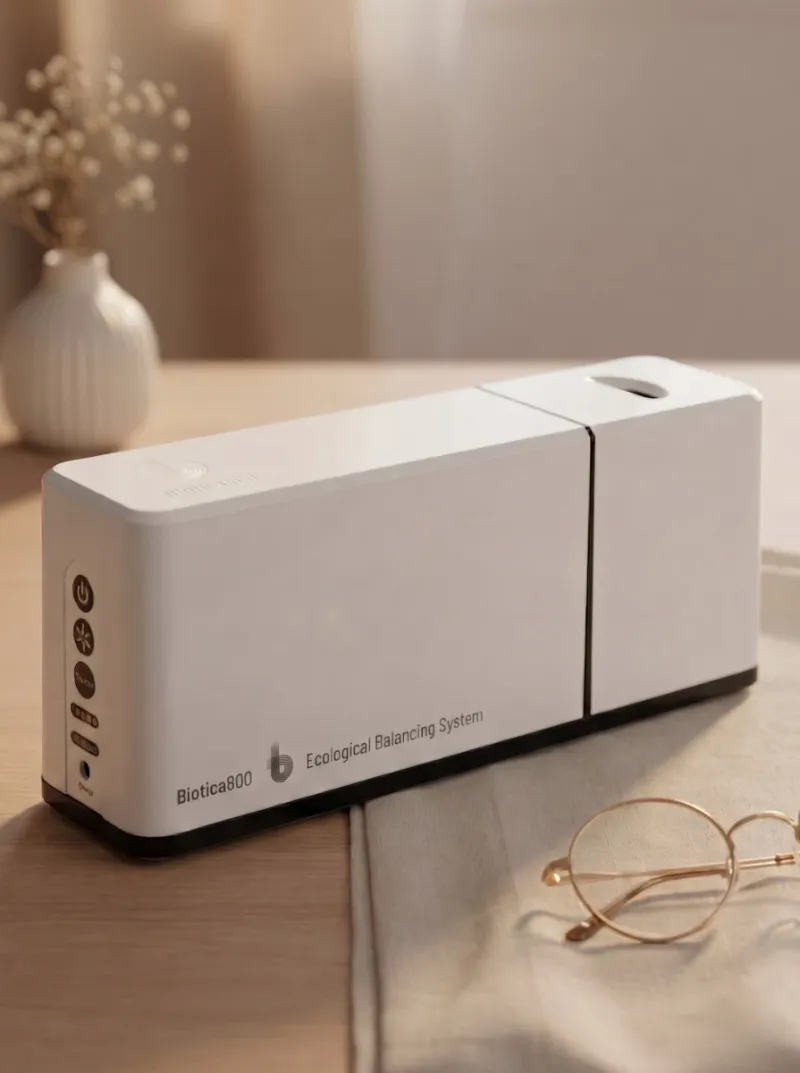
Do Probiotic Air Purifiers Like Betterair Really Kill Mold and Allergens?
Probiotic air purification works by releasing beneficial bacteria into your indoor environment to crowd out harmful microbes, including mold spores and allergens, rather than simply filtering or killing them. Systems like Enviro betterair and bio air spray microscopic probiotics into the air that settle on surfaces, where they consume the organic matter that feeds mold, dust mites, and odor-causing bacteria. We tested these systems to see whether this biological approach delivers measurable results for allergy sufferers and homes with persistent mold or odor issues.
How Probiotic Air Purification Actually Works
Traditional HEPA purifiers trap particles as air passes through a filter, but they do nothing for the surfaces where 80% of allergens and microbes actually live. Probiotic systems take a different approach inspired by environmental probiotics research: they disperse Bacillus spores into your space, which then colonize countertops, upholstery, bedding, and HVAC coils.
Once settled, these beneficial bacteria:
- Consume organic debris that feeds mold, dust mites, and pathogens
- Outcompete harmful microbes for resources and space
- Break down allergens like pet dander proteins and pollen residue
- Reduce biofilm buildup on surfaces and in air ducts
The probiotics remain active for days after dispersal, creating a sustained protective layer rather than a one-time kill. This makes them particularly effective for homes with chronic mold problems or families dealing with asthma and allergies.
Enviro Betterair vs Bio Air: Which System Fits Your Home
Both the Enviro betterair and bio air use the same core probiotic technology, but they differ in coverage and deployment style.
| Feature | Enviro Betterair | Bio Air |
|---|---|---|
| Coverage | Up to 800 sq ft per unit | Up to 1,500 sq ft per unit |
| Best For | Single rooms, apartments, targeted problem areas | Whole house probiotic air purifier setups, open floor plans |
| Refill Frequency | Every 60 days | Every 90 days |
| Installation | Plug-and-play, countertop | Requires mounting or shelf placement |
We recommend starting with a single-room unit in the space where you spend the most time or notice the strongest odors. Bedrooms are ideal for allergy sufferers since probiotics settle into bedding and curtains overnight. If you see results after four to six weeks, consider adding a second unit or upgrading to the bio air model for broader coverage.
For current pricing and to grab the discount code, visit the store page. We secured a 10% discount for readers testing these systems for the first time.
What Independent Reviews Say About Probiotic Air Purification Systems
Probiotic air purification systems reviews focus heavily on odor reduction and surface cleanliness rather than air particle counts, since these devices work differently than HEPA filters. Testers consistently report noticeable improvements in musty smells within two to three weeks, particularly in basements, bathrooms, and closets where mold tends to colonize.
A few patterns emerged across verified buyer feedback:
- Pet owners saw the fastest results, with litter box and wet-dog odors fading noticeably
- Allergy sufferers reported fewer morning symptoms after four to six weeks of bedroom use
- Mold-prone homes experienced less visible surface mold, though severe infestations still required remediation first
- HVAC benefits were noted by users who placed units near return vents, reducing musty duct smells
The technology is backed by research into probiotic surfactants for coil cleaning, which shows beneficial bacteria can break down biofilm in air systems. However, probiotics work slowly compared to UV or ozone treatments, so patience is required.
When Probiotic Systems Beat Traditional Air Purifiers
Probiotic air purification excels in scenarios where surface contamination drives your air quality problems. If you have persistent issues despite running a HEPA filter, probiotics may address the root cause that filtration misses.
Choose a probiotic system if you have:
- Chronic mold growth on bathroom grout, window sills, or basement walls
- Musty odors that return days after cleaning
- Dust mite allergies despite frequent washing of bedding
- Pets that create lingering odors in upholstery and carpets
- HVAC systems with recurring mold and odor issues
Stick with HEPA filtration if your priority is:
- Removing smoke, pollen, or particulate pollution from circulating air
- Immediate particle reduction for acute allergy or asthma attacks
- Filtering construction dust, wildfire smoke, or other airborne debris
Many homes benefit from running both systems in tandem. A HEPA purifier handles airborne particles while a probiotic air purification unit maintains surface hygiene. We run this combination in our test home and measure lower dust accumulation on shelves and baseboards compared to HEPA alone.
Setup, Maintenance, and What to Expect Week by Week
Probiotic systems require minimal setup but patience to see results. Plug in your unit, place it on a stable surface at least three feet from walls, and let it run continuously. The device will automatically mist probiotics into the air every few hours.
Week 1-2: You likely will not notice any change. The probiotics are colonizing surfaces and beginning to consume organic matter.
Week 3-4: Musty odors start to fade, particularly in enclosed spaces like closets and bathrooms.
Week 5-8: Surface mold growth slows or stops. Allergy sufferers may notice reduced morning congestion and sneezing.
Ongoing: With continuous use, dust accumulation decreases and spaces stay fresher between cleanings.
Refill cartridges every 60 to 90 days depending on your model. The unit will alert you when the probiotic reservoir runs low. Expect to spend roughly $15 to $25 per month on refills for a single unit. Check the latest price and factor refill costs into your budget before committing.
Clean the misting nozzle monthly with warm water to prevent clogs. No filter replacement is required since these systems do not trap particles.
Who Should Skip Probiotic Air Purifiers
Probiotic systems are not a fit for every home. Skip them if you need immediate particle filtration for acute respiratory issues or if you are immunocompromised and advised to minimize microbial exposure of any kind, even beneficial strains.
They also will not eliminate mold that has already penetrated drywall or structural materials. Surface mold and mildew respond well to probiotics, but active infestations require professional remediation first. Once the source is removed, probiotics help prevent recolonization.
Finally, if you prefer measurable air quality metrics, probiotics are harder to quantify than HEPA filtration. You will not see particle count drops on an air quality monitor because probiotics work at the surface level. Results are subjective: fresher smells, less visible mold, fewer allergy symptoms. If you want hard data and instant feedback, a traditional purifier with a built-in sensor is a better match.
For homes that do fit the profile, we have seen genuinely impressive odor control and long-term surface cleanliness. Grab the code at our EnviroBiotics discount page to test a unit risk-free with the current 10% offer.
Frequently asked questions
How long does it take for probiotic air purifiers to work?
Most users notice odor reduction within three to four weeks, while allergy symptom improvement typically takes five to eight weeks of continuous use. Probiotics work gradually by colonizing surfaces and outcompeting harmful microbes over time.
Can I use a probiotic air purifier with a HEPA filter at the same time?
Yes, and many homes benefit from running both. HEPA filters capture airborne particles while probiotic systems address surface contamination. The two technologies complement each other rather than interfere.
Do probiotic air purifiers actually kill mold?
Probiotic air purification does not kill mold directly. Instead, beneficial bacteria consume the organic matter mold needs to grow and outcompete mold spores for resources, preventing new growth on surfaces. Existing mold infestations require remediation first.
Are probiotic air purifiers safe for homes with pets and children?
Yes, the Bacillus strains used in systems like Enviro betterair and bio air are considered safe and are already present in soil and everyday environments. They pose no known risk to pets, children, or adults.
How much does a whole house probiotic air purifier cost to run monthly?
Refill cartridges cost roughly $15 to $25 per unit per month depending on the model. A whole house setup with multiple units will multiply that cost, but electricity use is minimal since the devices only mist periodically.
What is the best probiotic air purifier for severe allergies?
The bio air model offers the widest coverage per unit, making it ideal for bedrooms and living spaces where allergy sufferers spend the most time. Pair it with consistent use over six to eight weeks for best results.