
How to Spool a Piscifun Spinning Reel with a Fishing Line Spooler

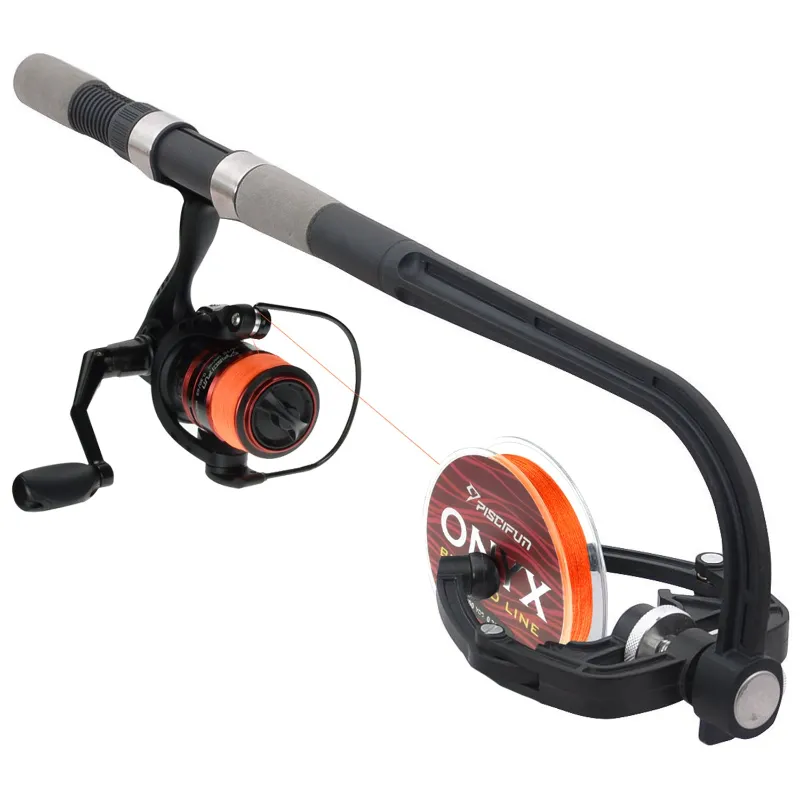
A fishing line spooler helps you load a Piscifun spinning reel evenly, with controlled tension and far less line twist than hand-spooling. We use one when setting up a spinning reel, swapping line before a trip, or testing different setups across piscifun reels. If you are buying new gear at the same time, grab the code before checkout so you can confirm the current Piscifun offer.
Why Use a Fishing Line Spooler for Spinning Reels
A spinning reel is easy to overfill, under-tension, or twist if the filler spool is lying on the floor and flipping around. A spooler keeps the supply spool stable while you reel line onto the reel spool in a cleaner, more repeatable way.
The biggest benefits are practical:
- Better tension: The line packs tighter, which helps reduce loose coils and wind knots.
- Less twist: The filler spool feeds more consistently, especially with mono and fluorocarbon.
- Cleaner setup: You can spool at a bench, tailgate, boat dock, or ice shanty without chasing the line spool.
- Repeatable results: If you maintain several angling reels, the process is easier to duplicate.
- Faster line changes: Helpful before travel, tournament days, or switching from freshwater to saltwater.
A portable fishing line spooler is enough for most anglers. An electric fishing line spooler or automatic fishing line spooler makes more sense if you maintain a lot of reels, spool heavier line often, or prep gear for a group.
For a broader look at spooler styles, Field & Stream has a useful overview of The Best Fishing Line Spoolers of 2024, which is helpful background before choosing a home setup.
What You Need Before You Start
You do not need a complicated fishing line spooler machine to get a Piscifun spinning reel ready. The key is matching the line, rod, reel size, and drag use to the fishing you actually do.
Have these ready:
- Piscifun spinning reel or other piscifun reels
- Matching fishing rod or fish pole reel combo
- Line spool in the pound test and type you plan to use
- Portable spooler, bench spooler, or reel-mounted spooler
- Scissors or fishing pliers for trimming tag ends
- Arbor tape, backing line, or a small line keeper if needed
- Soft cloth for wiping old line residue from the spool lip
Check the reel spool for line capacity markings before you start. We do not recommend guessing, because overfilling is one of the fastest ways to create loops on a spinning reel. If you are buying a new reel and line together, check the latest price and current code details before you choose your setup.
Step-By-Step: Spool a Piscifun Spinning Reel Cleanly
This process works for most Piscifun spinning reels, including freshwater models and many saltwater spinning reels. Always check the reel manual if your model has specific instructions.
- Mount the reel on the fishing rod. Running line through the rod guides gives you a more realistic angle and better tension control.
- Attach the spooler to a stable surface. For a portable unit, clamp it to a table, rod blank, or bench depending on the design.
- Place the filler spool on the spooler shaft. Make sure it spins smoothly without wobbling.
- Run line through the first rod guide. Then continue through each guide down to the reel.
- Open the bail. This is easy to forget, but it matters. Tie the line to the reel spool only after the bail is open.
- Tie the line to the spool arbor. Use an arbor knot or your preferred secure knot, then trim the tag end close.
- Close the bail by hand. Avoid turning the handle to snap it shut, because that can add twist and wear.
- Apply steady tension. Pinch the line lightly with a cloth or let the spooler’s tension system do the work.
- Reel slowly and watch the lay. The line should stack evenly across the spool without digging in.
- Stop before the spool lip is too full. Leave a small visible gap at the edge to reduce loops and casting problems.
If the line starts jumping off the reel spool in big coils, stop and check the filler spool direction. Some spoolers let the supply spool rotate like a bait caster setup, while others feed line off the face of the spool. The correct feed depends on the tool and line type.
Portable, Electric, and Counter Spoolers Compared
The best fishing line spooler is the one that matches how many reels you maintain and where you spool them. A shore angler with one spinning reel does not need the same setup as someone loading multiple baitcaster reel and spinning setups every month.
| Spooler Type | Best For | Watch-Out |
|---|---|---|
| Portable spooler | Home, travel, kayak, bank fishing | Needs a stable clamp point |
| Electric spooler | Frequent line changes and bulk spooling | Can over-tension line if rushed |
| Spooler with counter | Tracking how much line goes on each reel | Counter accuracy depends on setup |
| DIY or 3D printed spooler | Tinkerers and occasional use | Fit and tension control vary |
A fishing line spooler with counter is useful when you want to split a filler spool across multiple reels or add backing before braid. A fishing line spooler 3d print project can be fun if you already understand tension and spool alignment, but we would not make it our first choice for expensive braid or a trip-critical reel.
For heavy-duty accessories and line winding context, Melton Tackle’s Line & Leader Spooler, Winder and other Accessories page shows the range of tools used beyond basic freshwater setups.
Match Line to Piscifun Reels and Real Fishing Conditions
Line choice matters as much as the tool. A light spinning reel on a finesse fishing rod behaves differently from larger saltwater spinning reels used around surf, jetties, or inshore structure.
Use these guidelines:
- Monofilament: Forgiving, budget-friendly, and easy for beginners to manage.
- Fluorocarbon: Lower visibility and good abrasion resistance, but stiffer on spinning gear.
- Braid: Thin, strong, and long-casting, but benefits from backing or a ready braid spool.
- Backing plus braid: A smart way to reduce slippage and avoid wasting premium main line.
For a bait caster or baitcaster reel, the line comes off and goes onto the reel differently than it does with spinning gear. Do not assume the same spooler angle is correct for both. If you use a baitcaster rod and a spinning setup, take a minute to adjust the spooler rather than rushing through both reels the same way.
Common Spooling Mistakes We Avoid
Most bad line lay comes from small setup errors, not from the reel itself. When we test angling reels, these are the problems we look for first.
- Forgetting to open the bail: This forces you to cut and retie before you can fish.
- Overfilling the spool: Too much line can spring off in loops on the first cast.
- Under-tensioning braid: Loose braid can dig into itself under drag pressure.
- Using mismatched line: Heavy, stiff line on a small spinning reel is hard to manage.
- Ignoring the roller: A dirty or stuck line roller can twist line even if the spooler is set correctly.
- Cranking too fast: Speed hides problems until the reel is already loaded.
If you are setting up several reels before a trip, label each line spool or take a quick note in your phone. It helps when comparing a fish pole reel combo, a dedicated spinning setup, and a heavier saltwater rig later.
Care, Storage, and When to Re-Spool
After spooling, run the line through your fingers and feel for flat spots, kinks, rough sections, or wind knots. Clip off any damaged section before tying on a lure or leader.
Good habits keep line performing longer:
- Store spare filler spools away from heat and direct sun.
- Rinse saltwater gear lightly and dry it before storage.
- Loosen drag after fishing, especially on reels stored for long periods.
- Check the first several yards of line after snags, rocks, docks, or toothy fish.
- Keep line clippings in your fishing backpack so they do not end up in the water.
Re-spool when line looks cloudy, feels rough, coils badly, or no longer casts smoothly. If you are replacing line while upgrading Piscifun gear, use our Piscifun page to use the current code and verify the live offer before checkout.
Frequently asked questions
Do I need a fishing line spooler for a Piscifun spinning reel?
Yes, a fishing line spooler is especially useful for Piscifun spinning reels because it helps control tension and line feed. The key is setting the filler spool direction correctly and stopping before the reel spool is overfilled.
Is a portable or electric spooler better for spinning reels?
A portable spooler is enough for most anglers who spool a few reels at home or on the road. Electric models are better for frequent line changes, bulk spools, or maintaining several reels at once.
Can I use the same spooler for a baitcaster reel and spinning reel?
Yes, many spoolers work with both, but you may need to change the spool angle or tension method. A baitcaster reel and a spinning reel take up line differently, so do not use the same setup without checking line lay.
How full should I fill a Piscifun spinning reel?
Stop slightly before the spool lip rather than filling it flush. Overfilling can cause loops, wind knots, and line jumping off the spool during the first few casts.
What line works best when spooling Piscifun reels?
Braid often needs backing or a braid-ready spool so it does not slip around the arbor. It also needs steady tension during spooling so the line packs firmly and does not dig into itself later.