
How to Clean and Maintain Piscifun Saltwater Spinning Reels After a Trip

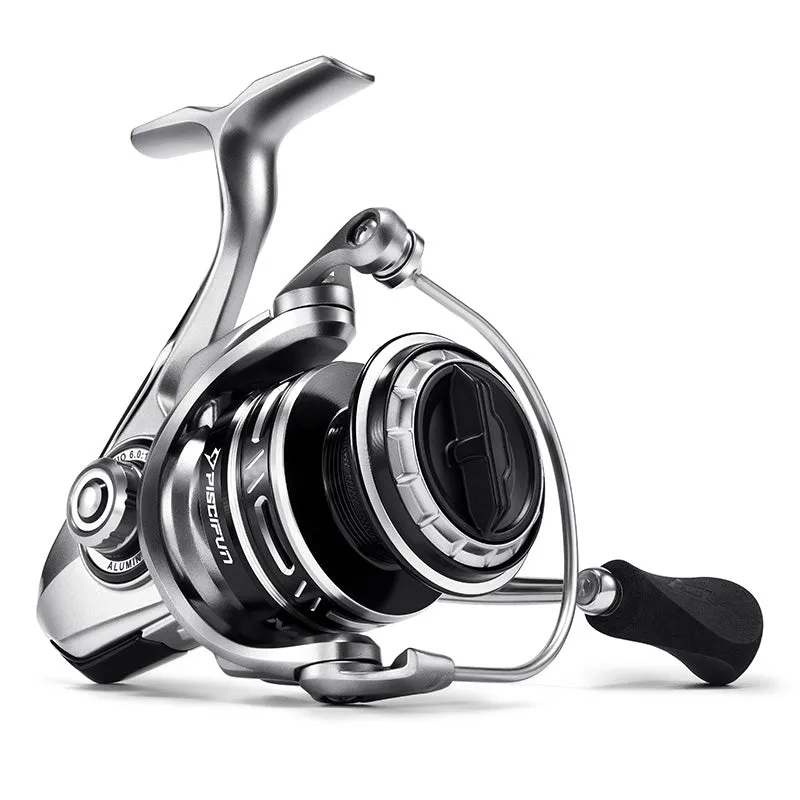
Saltwater spinning reels last longer when we rinse them gently, dry them fully, and service the line roller, drag, handle, and spool before salt has time to crust up. If you fish Piscifun gear, this guide is built around real maintenance steps for saltwater spinning reels, a daily-use spinning reel, and the tools we keep in a fishing backpack after a coastal trip. For current Piscifun pricing or the latest code, check the store page rather than guessing at a deal.
Clean Saltwater Spinning Reels Before Salt Dries
The first hour after fishing matters most. Saltwater does not need much time to creep into seams, line rollers, drag stacks, and handle knobs, especially if the reel was splashed in surf, kayak spray, or a wet boat deck.
Our quick post-trip routine is simple:
- Tighten the drag before rinsing so water is less likely to push into the drag washers.
- Use a light freshwater mist, not a hard jet from a hose.
- Rotate the handle slowly while rinsing the rotor, bail wire, spool lip, and line roller.
- Wipe the reel with a clean towel.
- Loosen the drag after drying so the washers are not stored compressed.
Avoid dunking the reel in a bucket. Even fully sealed saltwater spinning reels are not meant to be soaked after every trip. A strong blast of water can drive salt and grit deeper into the reel instead of washing it away.
If the reel was dropped in sand or submerged, treat it differently. Rinse the outside gently, do not crank it aggressively, and plan on a deeper inspection before your next trip.
Spinning Reel Parts That Need Attention
A Piscifun spinning setup has a few high-wear areas that deserve more than a quick wipe. These are the spots we check before putting the reel back on a fishing rod or into storage.
| Part | What To Check | Why It Matters |
|---|---|---|
| Line roller | Salt crust, rough spin, braid grooves | Prevents line twist and abrasion |
| Spool lip | Nicks, sand, dried salt | Protects casting distance and line health |
| Bail arm | Smooth open and close | Reduces missed casts and bail failures |
| Handle knob | Grit, stiffness, wobble | Keeps retrieve feel consistent |
| Drag knob | Salt around threads | Helps drag adjustment stay smooth |
The line roller is the most overlooked part. If it feels gritty, braid can start cutting grooves or riding unevenly. Wipe it, spin it by hand, and add a very small amount of reel-safe oil only where the manufacturer recommends.
The spool lip also matters. A tiny nick can damage braid or fluorocarbon under load. We run a fingertip lightly around the edge after cleaning. If anything feels sharp, do not ignore it.
Piscifun Reels, Rods, And Trip Gear To Keep Together
Maintenance is easier when the right tools travel with the reel. We like keeping a small dry kit in a fishing backpack with a microfiber cloth, cotton swabs, reel oil, a soft toothbrush, and fishing pliers. That way, the first cleanup can happen at the ramp, pier, or hotel sink instead of waiting until the next day.
For piscifun reels, we also keep the reel manual or product page handy because lubrication points vary by model. Some anglers over-oil every screw, seam, and bearing they can see. That usually attracts more grit. A light, targeted approach is better than flooding the reel.
A practical trip kit can include:
- Microfiber towel for drying the frame and spool
- Soft toothbrush for salt around the foot and rotor
- Cotton swabs for the drag knob and handle base
- Reel-safe oil for approved moving parts
- Reel grease only for internal service points, if you know what you are doing
- Small bag for separating wet gear from clean tackle
If you are comparing saltwater spinning reels for sale and want to buy with our code, grab the Piscifun code before ordering.
Light Cleaning Versus Deep Service
Not every trip requires taking the reel apart. In fact, unnecessary disassembly can create problems if screws are misplaced, seals are pinched, or grease is put in the wrong place.
Use light cleaning after normal spray exposure:
- Rinse with low-pressure freshwater mist
- Wipe the reel dry
- Clean the spool lip and line roller
- Loosen the drag for storage
- Check that the handle and bail move freely
Consider deeper service after harder exposure:
- The reel was submerged
- Sand entered the rotor or handle knob
- The drag feels sticky or uneven
- The handle feels rough after rinsing and drying
- The reel sat uncleaned after a saltwater trip
For deeper service, follow Piscifun's model-specific guidance or use a qualified reel tech. The best saltwater spinning reels are not maintenance-free, and heavy duty saltwater fishing reels still need careful rinsing, drying, and lubrication.
Independent buyer guides like Wired2Fish's saltwater spinning reel roundup and Kayak Angler's saltwater reel guide are useful background if you are comparing sealing, drag design, and use cases across brands. We still recommend checking the actual Piscifun product page for current model details instead of relying on old specs.
Size, Line, And Drag Checks After A Trip
Cleaning is also the right time to inspect whether your setup still matches how you fish. A light inshore reel used for trout and flounder has different stress than a larger saltwater spinning reels 5000 setup used around jetties, bridges, or bigger bait.
Check these before storing the reel:
- Line level: Make sure braid is not digging into itself after a hard fight.
- Leader knot: Retie if the knot passed through guides under heavy pressure.
- Drag feel: Pull line by hand and listen for smooth, even release.
- Spool tension: Look for loose wraps that can cause wind knots.
- Rod match: Confirm the reel still balances well on your fishing rod.
If you use a fish pole reel combo for travel or casual saltwater trips, inspect both pieces together. Salt around the reel seat can lock parts in place, and wet grips can mildew if stored in a sealed case too soon.
This is also where buyer intent gets practical. Searches like best saltwater spinning reels for the money or best saltwater spinning reels under $100 usually come from anglers trying to balance durability and cost. We do not quote changing prices in a care guide, but we do recommend using the store page to check the latest Piscifun price and code before deciding.
What Not To Do With Baitcaster Reel And Spinning Gear
Many anglers maintain a bait caster, baitcaster reel, or baitcaster rod alongside spinning gear, but the cleaning habits are not identical. Baitcasting reels often expose different entry points around the spool and side plate, while spinning reels concentrate salt around the rotor, bail, line roller, and drag knob.
Avoid these common mistakes across angling reels:
- Do not pressure-wash reels after fishing.
- Do not store reels wet inside a closed box or bag.
- Do not spray household lubricants into the body.
- Do not crank a reel hard if it feels sandy.
- Do not tighten the drag for long-term storage.
- Do not mix reel parts unless you are servicing one model at a time.
The same mindset applies to seasonal gear. If an ice shanty, cold-weather bag, or off-season tackle bin is where reels go to sit for months, make sure they are completely dry first. Salt damage often shows up later because the reel was stored damp, not because the rinse was skipped entirely.
Storage Routine Before The Next Trip
Once the reel is clean and dry, storage should protect it without trapping moisture. We remove surface salt, loosen the drag, let the reel air out, and store it in a cool, dry place away from direct sun.
Our preferred storage routine:
- Remove the reel from the rod if the reel seat is wet or salty.
- Let the spool and handle dry in open air.
- Back off the drag.
- Cover the reel with a breathable reel pouch.
- Keep it away from corrosive items, wet pliers, and damp tackle.
Before the next trip, mount the reel, pull a few feet of line, test the drag, and make a few handle turns. If anything feels rough, fix it before you are standing on the beach with fish moving through the trough.
Good maintenance is not complicated. It is a short habit after every trip, plus a deeper inspection when the reel has been dunked, gritted, or pushed hard.
Frequently asked questions
How should I rinse saltwater spinning reels after fishing?
Use a gentle freshwater mist and wipe the reel dry, but avoid dunking it or blasting it with pressure. Tighten the drag before rinsing, then loosen it again once the reel is dry.
Do Piscifun reels need to be taken apart after each saltwater trip?
Not after every trip. Most normal outings only need a light rinse, dry, line roller check, and drag release, while submersion, sand, or rough retrieve feel may call for deeper service.
What oil should I use on a Piscifun spinning reel?
Use reel-safe oil only on approved moving points such as the line roller or handle area when needed. Too much oil attracts grit, so follow the model guidance instead of soaking the reel.
Can I use a hose nozzle to clean my spinning reel faster?
We do not recommend it. Strong water pressure can push salt and grit into seals, bearings, and the drag area instead of removing it safely.
Should I loosen the drag before storing Piscifun reels?
Yes, back off the drag after the reel is clean and dry. Storing it tightened can keep drag washers compressed and may affect smoothness over time.