
Ice Shanty vs Portable Ice Fishing Shelter: What to Know Before Buying

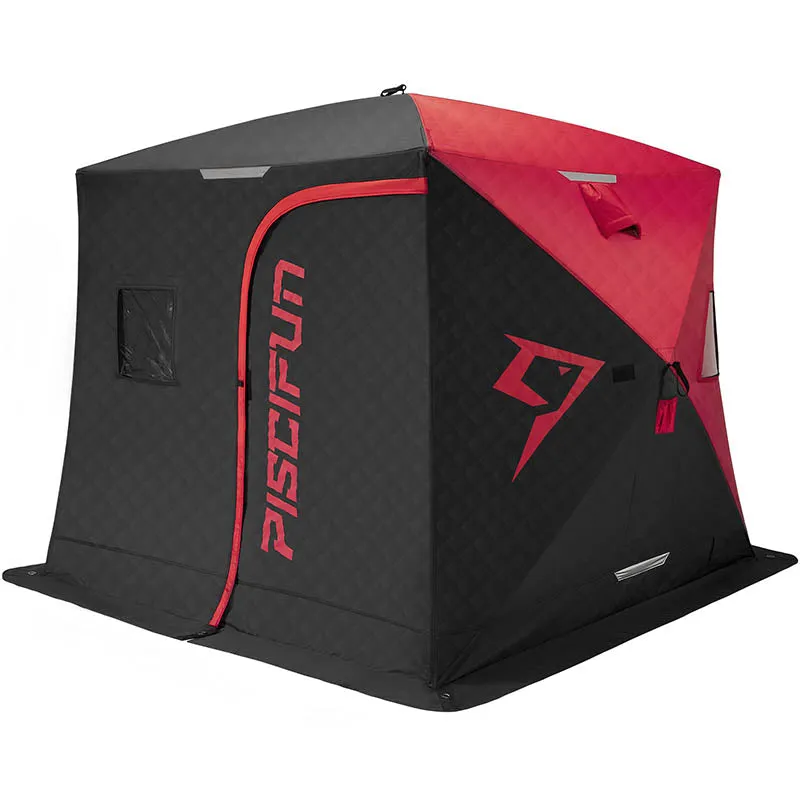
An ice fishing shelter portable is the better pick if you move often, fish mixed spots, or need a setup you can haul without a trailer. A hard-sided or semi-permanent ice shanty is better when you return to the same lake, want more comfort, and can manage storage, transport, and local rules. For Piscifun shoppers, the shelter decision also affects what you carry inside, from a fish pole reel combo to pliers, tackle, and a compact seat system.
Ice Fishing Shelter Portable vs Ice Shanty: The Quick Difference
The main difference is mobility. A portable shelter is built around packability and fast setup, while an ice shanty is built around space, comfort, and staying put longer.
| Option | Best For | Trade-Off |
|---|---|---|
| Portable shelter | Hole hopping, solo trips, changing ice conditions | Less interior room and fewer comfort features |
| Ice shanty | Longer sits, groups, repeated spots | Harder to move, store, and transport |
| Hub-style shelter | Anglers who want space without a permanent build | More setup time than a flip-over style |
| Sled or flip-over shelter | Fast moves and gear hauling | Usually tighter inside than a hub |
A portable shelter makes sense if you watch fish movement, drill multiple holes, and adjust throughout the day. A more permanent ice shanty fits anglers who treat the shelter like a winter base camp, especially when they fish familiar water and value wind protection over fast movement.
Before buying, also check the current Piscifun offer or grab the code so you can compare the real checkout total rather than guessing from old listings.
When a Portable Shelter Makes More Sense
A portable setup is usually the smarter choice for active anglers. If you chase panfish, follow breaklines, or fish with electronics, being able to move quickly matters more than having a large interior.
Choose a portable shelter if you:
- Fish different lakes through the season
- Walk out rather than tow gear with a machine
- Drill several holes before settling in
- Need something that fits in a car, SUV, or small truck bed
- Fish solo or with one other person most of the time
- Want faster teardown when weather shifts
The gear inside should match that mobile style. A compact fishing backpack is often more practical than a bulky box because it keeps tackle, line, snacks, and tools together while you move. If you bring multiple rods, keep the rod sleeves or cases simple so they do not snag on shelter fabric or frame poles.
The biggest mistake we see is buying more shelter than the trip style requires. Extra space feels great in the garage, but it becomes a burden when you are pulling it across snow, slush, and rough ice.
When an Ice Shanty Is the Better Buy
An ice shanty is the better fit when comfort, repeat use, and wind blocking are the priority. It is especially useful for anglers who fish the same productive area, stay out for long sessions, or bring family and friends.
An ice shanty can be the right call if you:
- Usually fish one lake or one section of a lake
- Want more space for seating and heaters
- Bring several rods, tackle trays, and electronics
- Fish in consistently harsh wind
- Have storage space at home
- Understand local ice shelter rules and marking requirements
A shanty also gives you a better place to organize small gear. Tools like fishing pliers, line cutters, bait pucks, and jigs are easier to manage when you are not constantly packing and unpacking. That said, the added comfort only pays off if you can move, store, and legally use the shelter without turning every trip into a logistics problem.
Always confirm local regulations before leaving any shelter on the ice. Some areas require identification, removal by certain dates, reflective marking, or daily takedown depending on the waterbody and season.
What to Look For in Materials, Frame, and Weather Protection
The right shelter is not only about size. Materials, stitching, poles, zippers, and anchor points determine how well it handles wind, cold, and repeated setup.
Look closely at:
- Fabric weight and insulation: Heavier insulated fabric holds heat better, but adds bulk and weight.
- Wind anchoring: Strong tie-down points matter more than a roomy layout when gusts pick up.
- Zippers: Large zipper pulls are easier to use with gloves, and smoother zippers reduce frustration in freezing weather.
- Skirt design: A good snow skirt helps block drafts around the base.
- Windows and vents: Adjustable light and airflow help reduce condensation.
- Frame hardware: Poles and hubs should feel stable, not flimsy, when flexed by hand.
For an ice fishing shelter portable buyer, weight is part of the material decision. Insulation is valuable, but only if you can still carry or pull the shelter comfortably. If the fabric, frame, and packed size make you leave it at home, the shelter is too much for your real fishing routine.
We also recommend checking replacement parts and return terms before buying. Fabric shelters take abuse from ice, augers, sled runners, and cold storage, so the buying experience matters after the first trip.
Sizing the Shelter Around People and Gear
Do not size a shelter only by the number of people printed in the product name. Ice fishing gear takes floor space, and winter clothing makes everyone wider than they are in July.
Plan space for:
- Your body and winter boots
- Hole spacing and safe movement around open holes
- Rod tips and hooksets
- Heater clearance if you use one
- Electronics and battery placement
- A bait container or small cooler
- Landing fish without tangling lines
For one angler, a smaller shelter can be comfortable if the layout is efficient. For two anglers, extra elbow room matters because jigging, landing fish, and managing gear all happen in a tight footprint. For family trips, err toward easier movement and safer spacing rather than the smallest packed size.
Rod and reel choice also affects the setup. Short ice rods are easier inside, but many Piscifun shoppers also use open-water gear such as a spinning reel, baitcaster reel, or baitcaster rod during other seasons. If your storage system carries year-round gear, make sure sharp handles, reel knobs, and rod guides will not rub against shelter fabric during transport.
Matching Piscifun Gear to Your Shelter Setup
Your shelter choice should support the way you actually fish, not just the way the product photo looks. Start with the shelter, then build the carry system around rods, reels, tools, and tackle.
A practical Piscifun ice setup might include:
- A compact rod case or sleeve system for short ice rods
- One small tackle tray for jigs and terminal gear
- Fishing pliers stored where you can reach them with gloves on
- A backpack or sled bag for snacks, batteries, and spare line
- A simple landing area that keeps fish away from fabric walls
If you already own Piscifun reels for open-water fishing, keep them separate from wet ice gear unless they are part of your winter plan. Salt, slush, and refreezing water are hard on moving parts. Let reels dry before storing them, and avoid tossing loose tools into the same pocket as line spools or small lures.
For current Piscifun pricing, bundles, and any active checkout code, check the latest price before you decide between adding a shelter, bag, or reel upgrade to the cart.
Care, Storage, and Safety After the Trip
A shelter lasts longer when it dries fully and gets packed with care. The worst storage habit is folding damp fabric, sealing it in a bag, and leaving it in a cold garage until the next weekend.
After each trip:
- Shake off snow and ice before packing.
- Open the shelter at home if space allows.
- Let fabric, seams, and straps dry completely.
- Check anchors, hubs, and zippers for damage.
- Store sharp tools away from fabric panels.
- Keep rodents away from soft bags and insulated material.
Safety matters too. Ventilation is not optional if you use a heater, and no shelter can make unsafe ice safe. Bring ice picks, check thickness as conditions change, and avoid assuming yesterday’s safe route is still safe today.
An ice fishing shelter portable is most useful when it helps you fish longer without slowing you down. If the shelter matches your travel method, lake style, and gear load, it becomes part of the system rather than one more thing to fight on the ice.
Before you buy, compare the shelter style against your real trips, then use the current Piscifun code if it applies at checkout.
Frequently asked questions
What should I look for in an ice fishing shelter portable?
An ice fishing shelter portable is best for anglers who move often, fish solo or in pairs, and need a shelter that can be packed and hauled without major storage demands. Choose one based on packed size, weight, wind anchoring, and how much gear you bring.
Is a portable shelter warm enough compared with an ice shanty?
A portable shelter can be warm enough when it has good fabric, a secure skirt, proper anchoring, and safe ventilation. A permanent or semi-permanent shanty usually feels more comfortable for long sessions, but it is less convenient to move.
Can I use Piscifun reels and accessories inside an ice shelter?
Piscifun gear such as rods, reels, tackle storage, backpacks, and pliers can fit well into a mobile ice setup if you keep the load compact. The key is organizing tools and reels so sharp or wet items do not damage shelter fabric.
Can I leave an ice shanty on the lake overnight?
Usually yes, but only if local rules allow it and the shelter is marked or removed as required. Regulations vary by lake and season, so check local guidance before leaving any shelter unattended.
Should I buy a hub shelter or a flip-over shelter?
A hub shelter usually gives more room, while a flip-over style is faster for moving and often works well with a sled. The better choice depends on whether you value interior space or quick relocation more.
How do I store an ice shelter after a trip?
Dry it completely, clear ice from zippers and hubs, and store sharp tools separately. Folding it damp can lead to odor, mildew, and fabric damage.