
How to Fix Squeaky Floors Without Tearing Up Your Tiles

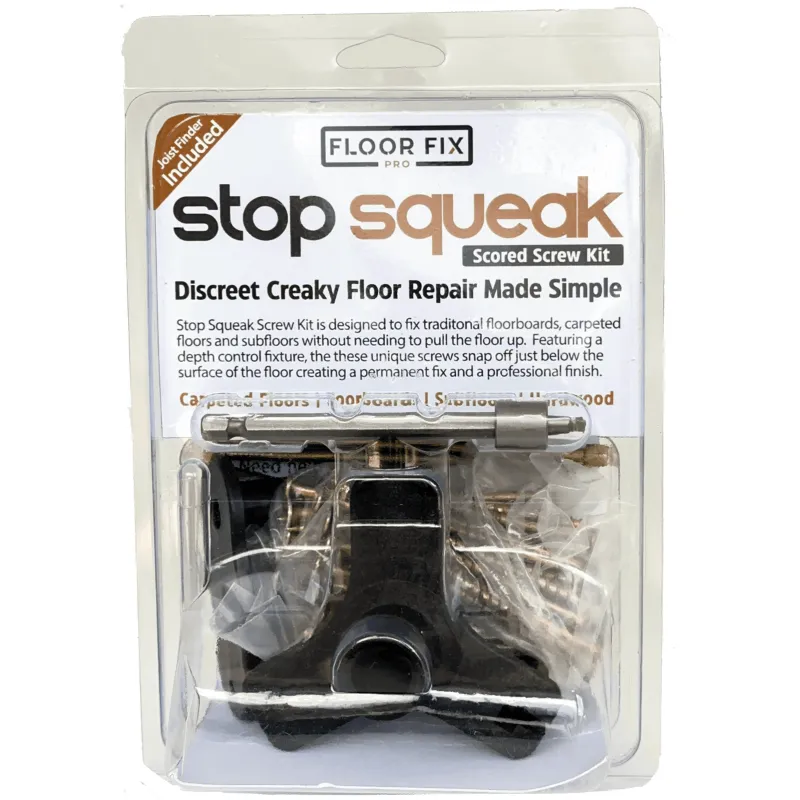
The fastest way to fix a squeaky floor under tile is to use a kit to fix squeaky floors that works from above: you inject or drive a fastener through the grout line or a tiny pilot hole, silencing the movement without lifting a single tile. That is exactly what we test at The Planet Deals, and it is why we keep recommending the kit to fix squeaky floors from Floor Fix Pro as the first tool we reach for. Below we walk through why tiles squeak, what a proper repair kit includes, and the exact steps we use on real jobs.
Why Floors Squeak Under Tile in the First Place
Tile itself does not squeak. The noise comes from movement underneath it:
- Loose subfloor nails. As wood joists expand and contract with humidity, a nail that no longer grips the joist rubs and squeaks with every step.
- Gaps between the subfloor and joists. A small vertical gap lets the subfloor flex and slap against the joist.
- Broken or cracked grout lines. Once a grout line cracks, tiles can rock slightly under load, which sounds like a squeak or click.
- Hollow spots under tiles. Missed thinset coverage leaves voids that amplify sound.
The good news: most of these can be addressed from the surface. This Old House covers the classic screw-and-brace methods for exposed floors, and the same principle applies here; you are pinning the subfloor back down, just through a much smaller opening.
What Comes in a Kit to Fix Squeaky Floors
A purpose-built squeaky floorboard repair kit bundles everything you need so you are not improvising with drill bits and cut-off hangers. When we open the floor fix pro kit, we expect to find:
- A trip-screw guide that lets you drive a screw at the correct angle without hitting tile or damaging grout
- Specialty screws sized to grip the subfloor and bite into the joist without breaking through the tile layer
- A screw-breaker or snap-off feature so the fastener sits below the surface
- Grout touch-up compound to reseal any hole or cracked line you worked through
- Step-by-step instructions calibrated for tile and hardwood over wood framing
Having the grout touch-up included matters. If you drive anything through a grout line, you want to close it the same day so moisture never gets under the tile.
How to Fix a Squeaky Floor Without Tearing Up Tiles
Here is the process we use, start to finish, usually in under an hour per squeak:
- Find the squeak. Have someone walk slowly while you listen and feel for movement. Mark the spot with painter's tape.
- Locate the joist if you can. Squeaks that align with joists are the easiest to fix because you are screwing into solid wood.
- Position the guide. Set the trip-screw guide against the grout line or a hairline crack so the screw will pass through with minimal visible damage.
- Drive the screw. The guide angles the fastener into the joist, pulling the subfloor tight and killing the squeak instantly. You will hear the noise stop mid-drive.
- Snap the screw off. Break the fastener below the surface so nothing catches a mop or a bare foot.
- Patch. Fill the entry point with the included compound, or use a grout repair kit to blend the line back in.
If the squeak runs along a long grout line rather than a single spot, a tile grout repair approach plus a few extra fasteners usually handles it.
Comparing Your Squeak Repair Options
Not every squeak needs the same fix. Here is how the common approaches stack up:
| Method | Damage to tile | Best for |
|---|---|---|
| Squeaky floor repair kit (screws from above) | Barely visible pinholes in grout lines | Loose subfloor nails and joist gaps |
| Shim or wedge injection | None, if it reaches | Small gaps accessible from below |
| Pulling tiles and re-bedding | High; risk of breakage | Hollow spots and failed adhesive |
| Foam or filler injection | Minimal | Hollow-sounding tiles, not true squeaks |
For true squeaks, the kit wins almost every time. Pulling tiles should be a last resort because even a successful removal often cracks the tile. The one exception is a genuinely hollow tile: there, lifting, re-bedding with floor tile adhesive, and regrouting is the permanent answer.
When the Problem Is Gaps, Not Squeaks
Sometimes what sounds like a squeak is actually a tile or plank edge that has drifted out of alignment, clicking as you walk over it. For that, pulling up tiles is still the wrong first move. A floor gap fixer tool uses vacuum pressure to lift and nudge loose planks or tiles back into position without prying. A suction cup floor gap tool works the same way on flat gaps between planks, and a good plank grabber can close end joints on luxury vinyl or engineered floors where a tile kit does not apply.
Our rule of thumb: if the noise is a squeak, fasten it down. If the noise is a click and you can see a gap, close the gap first, then reassess.
Who This Approach Suits
- Renters and landlords who cannot justify a full tile tear-out over a noise complaint
- Homeowners with one or two localized squeaks rather than a whole floor failing
- Anyone prepping to sell, because a silent floor reads as a solid floor at a showing
- DIYers with a drill; there is no special tooling beyond what comes in the kit
If your entire floor flexes, if tiles are visibly tented, or if you have water damage underneath, call a pro. A kit fixes movement, not structural problems.
Care After the Repair
Once the squeak is gone, walk the area daily for a week. If the squeak returns at the same spot, you missed the joist; shift the fastener an inch or two and try again. Keep grout lines sealed, because water that softens the subfloor is the number one cause of repeat squeaks. And before you buy, grab the code for the current 10% off sitewide offer; it applies to the full repair kit range, so it is the cheapest way to have the spare screws and touch-up compound on the shelf before you need them. You can also check the latest price if you are comparing kits.
Frequently asked questions
Can a kit to fix squeaky floors really work without removing tiles?
Yes, when the squeak comes from a loose subfloor or joist gap. The kit's guide drives a screw through a grout line or crack at an angle, and you patch the tiny entry point afterward, so the tile stays in place.
Will the repair damage my grout?
At most you leave a small pinhole in a grout line, which you fill with the included touch-up compound or grout repair product the same day. Done correctly, it blends into the existing line.
What is the difference between the squeaky floorboard repair kit and buying screws on my own?
The floor fix pro kit also includes grout touch-up compound and a screw snap-off feature, so fasteners sit below the surface and you can reseal the line immediately without buying extra supplies.
How do I know if my noise is a squeak or a gap problem?
A squeak means movement underneath, so fasten it down. A click with a visible gap between planks or tiles means the pieces have drifted apart, which is a job for a floor gap fixer tool or suction cup gap tool instead.
Can I fix a squeaky floor over a concrete slab with this kit?
Usually yes, with a joist screw kit. If a tile sounds hollow, though, it may have a void underneath, and the permanent fix is lifting it, re-bedding it with floor tile adhesive, and regrouting.
How long does a typical repair take, and when should I call a pro?
The kit handles most jobs in under an hour per squeak, including patching. If the whole floor flexes or you see water damage, that points to a structural issue and is best assessed by a professional.