
Grout Repair vs. Tile Adhesive: Which One Does Your Floor Need?

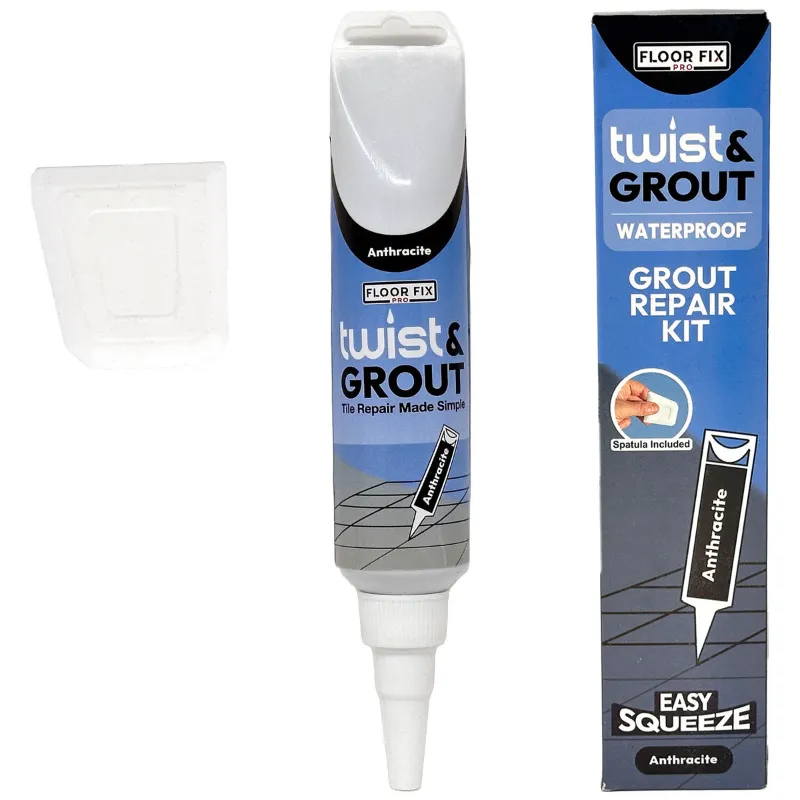
Grout repair is what your floor needs when the joints between tiles are cracked, crumbling, or discolored, while tile adhesive is what you use when a tile itself has come loose, lifted, or fallen off entirely. In short: fix the joints with grout, re-bond the tiles with adhesive. Getting this wrong is the most common DIY mistake we see, so this guide walks you through how to tell the difference and which products handle each job.
Tile Grout Repair: When It's the Right Fix
Grout fills the gaps between tiles. It is not glue. Its job is to seal those joints, keep water out, and stop tiles from shifting against each other. You need a grout-focused fix when you notice:
- Hairline cracks running along the joint lines between tiles
- Crumbly or powdery grout that flakes out when you run a fingernail across it
- Discolored or stained joints that no longer seal properly
- Small gaps where grout has fallen out completely, but the tiles are still firmly stuck down
If the tiles themselves are solid underfoot, grout repair is almost always the answer. For wider joints or patchwork across a whole wall, a dedicated grout patch kit saves you from mixing a full batch, and a simple tile grout repair tube lets you squeeze filler straight into narrow cracks. These tube-style products, sometimes listed as a tile grout repair filler or tile grout repair tube, are the fastest option for bathroom tile grout repair and shower tile grout repair, where moisture makes fresh-mixed grout fussy to work with.
If you are searching "tile grout repair near me" and expecting a pro quote, know that localized joint repairs are well within reach for a careful DIYer. For a solid walkthrough of the process, this guide to tile grout repair steps covers cracking from diagnosis to seal.
Tile Adhesive: When the Tiles Themselves Are the Problem
Adhesive (sometimes called mastic or thinset, depending on type) bonds the back of a tile to the subfloor or wall. Adhesive is the right fix when:
- A tile sounds hollow when tapped, or rocks underfoot
- A tile has popped off and you need to reset it
- A corner or edge of a tile has lifted away from the substrate
- You are replacing a broken tile with a new one
If you try to "glue" a loose tile with grout, it will fail. Grout has almost no bonding strength. Instead, use a proper floor tile adhesive, spread it on the back of the tile or the substrate, press the tile in level with its neighbors, let it cure fully, and only then grout the joints around it. Adhesive first, grout last. That order matters every time.
Quick Comparison: Grout Repair vs. Tile Adhesive
| Grout Repair | Tile Adhesive | |
|---|---|---|
| Fixes | Cracked, crumbling, or missing joints | Loose, hollow, or detached tiles |
| Goes | Between tiles, into joints | Under tiles, on the substrate |
| Strength | Compression and sealing | Bonding and shear strength |
| Typical job | Floor tile grout repair, shower joints | Resetting a popped tile |
| Cure wait before use | Days for wet areas | Longer, then grout on top |
How to Do a Small Tile Grout Repair Yourself
- Rake out the failure. Remove all loose and crumbly grout from the joint with a grout saw or hook. The new material needs a clean channel to grip.
- Vacuum and wipe. Dust kills adhesion. Vacuum the joint, wipe with a damp sponge, and let it dry.
- Apply the filler. For narrow cracks, squeeze a tile grout repair tube along the joint and smooth it with a fingertip or a spreader. For wider gaps, press patching compound in with a float at 45 degrees.
- Tool the joint. Shape it to match the surrounding grout lines before it skins over.
- Cure, then seal. Follow the product's cure time, especially in a shower, and consider sealing the line afterwards. For an easy low-fuss approach, this easy grout restoration guide is a good reference for refreshing surrounding joints so the patch does not stand out.
Bathroom and shower jobs deserve extra care, because failed joints there let water behind the tiles. If your bathroom grout keeps crumbling no matter what you do, this DIY discussion of crumbling bathroom tile grout covers the underlying causes, from substrate movement to missing waterproofing, that no filler can paper over.
What If the Real Problem Is the Floor Itself?
Sometimes what looks like a grout problem is actually movement. Tiles cracking in a straight line across several joints, or grout failing repeatedly in the same spot, usually points to a loose or squeaky subfloor flexing underneath. No amount of joint filler survives that.
In that case, stabilize the floor first. A squeaky floorboard repair kit or a kit to fix squeaky floors drives fixing screws at precise angles to pull the subfloor tight against the joists, stopping the movement that keeps breaking your grout. For larger floor repairs, the full floor fix pro kit bundles the common tools together.
If your floor is vinyl plank or laminate rather than tile, gapping between planks is a different issue again. A floor gap fixer tool or a suction cup floor gap tool pulls drifting planks back together, and a plank grabber helps reseat edges without damaging the locking system.
Who Should Fix What: A Simple Decision Guide
- Cracked or missing joint grout, tiles solid: grout repair tube or patch kit. Easiest DIY job on this list.
- One loose or popped tile: floor tile adhesive to reset it, then grout the joints after curing.
- Grout fails repeatedly in one zone: fix subfloor movement first, then redo the joints.
- Whole floor failing: that is a substrate or installation problem, not a filler problem. Get it assessed before spending on cosmetic repairs.
- Vinyl or laminate gaps, no tile involved: gap fixer tools, not grout or adhesive.
Whichever repair is on your list, check the latest price and grab the code on our Floor Fix Pro discount page before you buy, since the sitewide discount usually covers the repair kits too.
One Last Tip Before You Start
Buy for the failure you actually have, not the one you fear. Most floors need one tube of grout filler and an afternoon, not a full regrout. Do the fingernail test on a few joints, tap a few tiles, and let the floor tell you whether it wants grout repair or adhesive. Match the product to the symptom and the fix holds for years. If you are ready to stock up, our Floor Fix Pro coupon page has the current code in one place.
Frequently asked questions
Can I use tile adhesive instead of grout to fix cracked joints?
No. Grout is a joint filler, not a bonding agent, so it has almost no holding strength. Reset a loose tile with floor tile adhesive first, let it cure, then grout the joints around it.
Is a tile grout repair kit worth it for a small bathroom job?
For narrow cracks and small missing sections, yes. A tile grout repair tube or grout patch kit handles localized failures well. Widespread crumbling usually points to movement or moisture underneath, which needs fixing before you regrout.
How do I know if my tile is loose or just the grout is cracked?
Tap it. A solid tile sounds dull and firm, while a loose one sounds hollow and may rock underfoot. Hollow means adhesive; solid tiles with cracked joints mean grout repair.
Why does my grout keep cracking in the same spot?
Usually subfloor movement. If the floor flexes or squeaks in that spot, stabilize it with a squeaky floorboard repair kit before redoing the joints, or the new grout will crack too.
Can I use regular grout repair products in a shower?
Shower tile grout repair needs fully waterproof filler, complete curing before water exposure, and ideally a sealer afterwards. Bathroom humidity makes tube-based fillers the most forgiving option for DIYers.
Do vinyl plank floors ever need grout?
No. Those planks use interlocking edges, not grout joints. Use a floor gap fixer tool or suction cup floor gap tool to pull drifting planks back together instead.