
Foot Roller Massager vs Massage Ball: Which Relieves Pain Better?

Foot Roller Massager vs Massage Ball: Which Relieves Pain Better?
A foot roller massager delivers consistent, rolling pressure across your entire arch and heel, making it ideal for plantar fasciitis and general foot fatigue. A massage ball, on the other hand, lets you zero in on specific trigger points with focused pressure. Both tools work, but the right choice depends on whether you need broad relief or targeted therapy. We tested both to help you decide which suits your pain pattern and recovery goals.
How a Foot Roller Massager Works
A foot roller massager uses a cylindrical design with ridges, knobs, or smooth wood to apply even pressure as you roll your foot back and forth. The motion mimics a deep-tissue massage along the plantar fascia, Achilles tendon, and calf muscles.
Key benefits of a foot roller massager:
- Covers the entire foot length in one motion, saving time during recovery sessions
- Wooden models (often called a foot roller massager wooden) offer firm, unyielding pressure that breaks up fascial adhesions
- Electric foot roller massager options add vibration or heat to enhance circulation and muscle relaxation
- Stable base keeps the roller in place, so you can apply body weight without the tool shifting
Most foot roller massagers sit flat on the floor, letting you control intensity by shifting your weight. This makes them especially useful after long runs, standing shifts, or first-step morning pain from plantar fasciitis.
How a Massage Ball Targets Pain
A feet ball massage tool is a compact sphere (usually 2 to 3 inches in diameter) that you press into tight spots under your foot. The small contact area creates intense, localized pressure that releases knots and adhesions in the arch, heel, or ball of the foot.
Why massage balls excel at trigger point therapy:
- Pinpoint control lets you lean into stubborn knots that a roller might glide over
- Portable design fits in a gym bag or desk drawer for quick relief sessions
- Works on other body areas (calves, glutes, shoulders) when you need cross-body myofascial release
- Textured or spiked feet ball models stimulate nerve endings and boost circulation
The tradeoff is time: working through your entire foot with a ball takes longer than a few passes with a roller. But for sharp, localized pain (like a tight spot under your big toe joint), a massage ball is often more effective than a broader tool.
Foot Roller Massager vs Massage Ball: Feature Comparison
| Feature | Foot Roller Massager | Massage Ball |
|---|---|---|
| Coverage | Full arch and heel in one pass | Targeted trigger points only |
| Pressure control | Body weight + rolling motion | Direct compression, highly adjustable |
| Portability | Bulkier, best for home use | Pocket-sized, travel-friendly |
| Learning curve | Intuitive from the first use | Requires practice to find tender spots |
Both tools complement recovery routines, but the best foot roller massager for you depends on your pain pattern. Broad, diffuse soreness across the arch responds well to a roller. Sharp, knotted pain in a specific spot calls for a ball.
Which Tool Fits Your Routine?
Choose a foot roller massager if:
- You have plantar fasciitis or heel pain that spans the entire underfoot
- You want a quick, repeatable routine (30 seconds per foot after a workout)
- You prefer a hands-free tool that stays put while you watch TV or work at a standing desk
- You're interested in foot roller massager benefits like improved arch flexibility and reduced morning stiffness
Choose a massage ball if:
- You have a specific knot or trigger point that needs deep, focused pressure
- You travel frequently and need a tool that fits in carry-on luggage
- You want one device that works on feet, calves, and other muscle groups
- You're comfortable spending 2 to 3 minutes per foot to methodically work through tight spots
Many of our testers use both: a roller for daily maintenance and a ball for acute flare-ups. If budget allows, pairing them gives you the best of both approaches. Grab the latest Happy Feet discount to save 12% on either tool.
How to Use Each Tool for Maximum Relief
Foot Roller Massager Technique
- Sit in a chair with the roller on the floor in front of you
- Place one foot on the roller, positioning it under your arch
- Apply gentle pressure and roll from heel to toes, then back, for 30 to 60 seconds
- Increase pressure gradually by shifting more body weight onto the roller
- Repeat on the opposite foot
For stubborn plantar fasciitis, roll slowly and pause on tender spots for 5 to 10 seconds. A foot mat with acupressure nodes can add variety to your routine when you want a different texture.
Massage Ball Technique
- Stand near a wall for balance or sit with one foot crossed over the opposite knee
- Place the ball under the arch and press down with moderate force
- Roll the ball in small circles over tight spots, spending 10 to 15 seconds per area
- Move systematically from heel to ball of foot, covering the entire underfoot
- Switch feet and repeat
When you find a knot, hold steady pressure (don't roll) for 20 to 30 seconds to encourage the fascia to release. The Strategist's guide to foot massage tools offers additional technique tips from physical therapists.
Combining Tools with Other Recovery Methods
Neither a foot roller massager nor a massage ball works in isolation. Pair them with:
- Stretching: Calf and toe stretches before rolling to prep the fascia
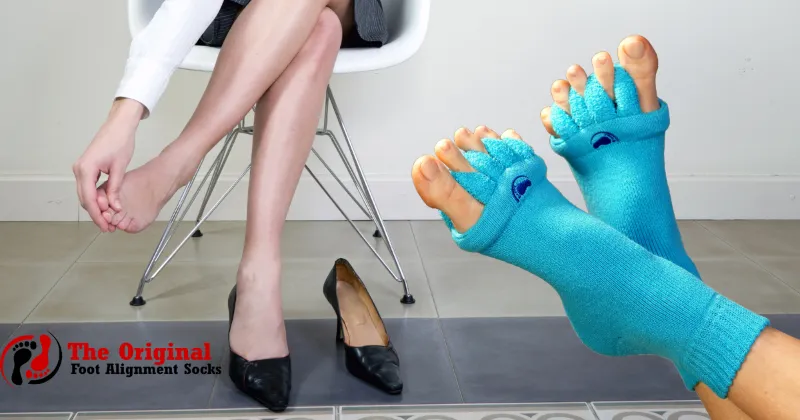
- Toe separator socks: Worn after massage sessions to maintain alignment and reduce cramping
- Ice or heat: Apply after tool work to modulate inflammation or improve blood flow
- Supportive footwear: Reduces the stress that caused the tightness in the first place
A foot scrubber during your shower routine can also keep calluses in check, which improves how well massage tools glide across your skin.
Where to Buy and Current Pricing
Happy Feet stocks both foot roller massagers and massage balls designed for home use. We can't list exact prices here (they shift with promotions), but you can check current pricing and apply our exclusive code for 12% off all orders. The Spruce's tested foot massager roundup also covers a range of options if you want to compare features across brands.
Most rollers fall into the $15 to $40 range, while massage balls typically cost $8 to $20. Electric or vibrating models command a premium but add therapeutic heat or percussion that passive tools can't match.
Our Verdict
A foot roller massager wins for speed, ease of use, and broad coverage, making it the better daily maintenance tool for most people. A massage ball excels when you need surgical precision on a stubborn trigger point or want a multi-use tool that travels anywhere.
If you can only pick one, start with a roller for consistent relief and lower learning curve. Add a ball later if you develop specific hot spots that need deeper work. Both tools deliver real foot roller massager benefits when used correctly, and at under $50 combined, they're a low-risk investment in long-term foot health.
Frequently asked questions
Can I use a foot roller massager every day?
Yes, daily use is safe and often recommended for chronic conditions like plantar fasciitis. Limit sessions to 1 to 2 minutes per foot to avoid over-stimulating the tissue, and take a rest day if you notice increased soreness.
Which is better for plantar fasciitis, a roller or a ball?
A foot roller massager typically works better for plantar fasciitis because it covers the entire plantar fascia in one motion, reducing inflammation across the whole structure. Use a ball only if you have a specific tender spot that the roller doesn't reach.
Do wooden foot rollers work better than plastic ones?
Wooden foot roller massagers provide firmer, more consistent pressure and don't flex under body weight, making them ideal for deep-tissue work. Plastic rollers are lighter and often include textured surfaces, which some people find more comfortable for sensitive feet.
How long should I roll my feet with a massage ball?
Spend 2 to 3 minutes per foot, working methodically from heel to toes. Focus on tight spots for 10 to 20 seconds each, but avoid grinding into one area for more than 30 seconds to prevent bruising.
Can I use a tennis ball instead of a massage ball?
A tennis ball works in a pinch, but it compresses too easily under body weight, reducing the deep pressure needed for effective myofascial release. A firmer rubber or lacrosse-style massage ball provides better trigger point therapy.
Should I use a foot roller before or after exercise?
Use it after exercise or at the end of the day when muscles are warm and more pliable. Rolling cold feet first thing in the morning can help with plantar fasciitis pain, but warm up the tissue with gentle stretches first.