
How to Use a Foot Scrubber for Softer, Smoother Feet at Home

Why a Foot Scrubber Works Better Than DIY Methods
A foot scrubber removes dead skin, calluses, and rough patches faster and more safely than improvised tools like pumice stones or metal files. Purpose-built scrubbers feature textured surfaces or bristles designed to exfoliate without tearing healthy skin, and most work in the shower where steam softens stubborn areas. We tested manual and mat-style options to find which designs deliver the smoothest results with the least effort.
The foot scrubber offers targeted exfoliation for heels and ball-of-foot calluses, while a foot mat lets you scrub hands-free by rubbing your sole against textured zones. Both approaches beat ad-hoc scraping, which often leaves skin uneven or irritated.
How to Use a Foot Scrubber in the Shower
Wet your feet in warm water for two to three minutes to soften the skin. Apply a small amount of body wash or exfoliating scrub to the scrubber surface, then work in circular motions over callused areas: heels, the ball of the foot, and the outer edge. Avoid scrubbing the arch or top of the foot, where skin is thinner and more sensitive.
- Soak feet for 2-3 minutes before scrubbing
- Use gentle, overlapping circles on rough spots
- Rinse the scrubber after every few strokes to clear away dead skin
- Pat feet dry and apply a thick moisturizer immediately
For a foot scrubber mat, plant it on the shower floor with suction cups, add soap, and slide your foot back and forth across the bristle zones. This hands-free method suits anyone with limited mobility or balance concerns. Check the latest price and our discount code to save 12% on either style.
Choosing the Right Foot Scrubber for Dead Skin
Manual scrubbers with dual textures—coarse pumice on one side, softer bristles on the other—handle both thick calluses and daily maintenance. Look for a contoured handle and drainage holes to prevent mildew. The 5 Best Foot Scrubbers break down material durability and grip design across popular models.
Electric foot scrubbers use rotating roller heads to buff away dead skin with less manual effort. These battery-powered tools work best on dry feet after a shower, letting you see exactly how much skin you're removing. Coarse-grit rollers tackle heavy calluses; fine-grit heads polish and smooth.
Mat-style scrubbers suit daily upkeep. Their suction-cup base and multiple bristle zones—some stiff, some flexible—let you exfoliate while shampooing or conditioning your hair. We find mats less effective on thick heel cracks but excellent for preventing buildup.
| Scrubber Type | Best For | Use Case |
|---|---|---|
| Manual dual-texture | Calluses, heels | Spot treatment, travel |
| Electric roller | Thick dead skin | Weekly deep exfoliation |
| Shower mat | Daily maintenance | Hands-free routine |
Pair your scrubber foot with a foot roller massager post-shower to boost circulation and relieve plantar tension after exfoliation.
How Often to Scrub and When to Stop
Scrub two to three times per week if you have moderate calluses. Daily scrubbing thins healthy skin and can trigger overproduction of dead cells as a protective response. If your skin feels raw, stings in the shower, or shows red patches, scale back to once a week and let your feet recover.
Stop scrubbing when the surface feels smooth to the touch but still slightly textured. Over-exfoliating removes the skin's natural barrier, leading to cracks, peeling, and increased sensitivity. For persistent thick calluses that don't respond to home care, consult a podiatrist; some buildup signals underlying pressure points or gait issues that need professional assessment.
Maintenance and Hygiene for Your Scrubber
Rinse your foot scrubber under hot water after every use to flush out trapped skin cells. Once a week, soak it in a 1:10 bleach solution or white vinegar for ten minutes, then air-dry completely before storing. Never leave a wet scrubber in a closed shower caddy; mold and bacteria thrive in damp, enclosed spaces.
Replace manual scrubbers every three to four months, or sooner if bristles flatten or the pumice surface glazes over. Electric roller heads last six to eight months with weekly use. Discard any scrubber that develops a musty smell or visible discoloration, even if the texture looks intact.
- Rinse and shake out excess water after each use
- Deep-clean weekly with vinegar or diluted bleach
- Store in a ventilated spot, not a sealed caddy
- Replace every 3-4 months for manual tools
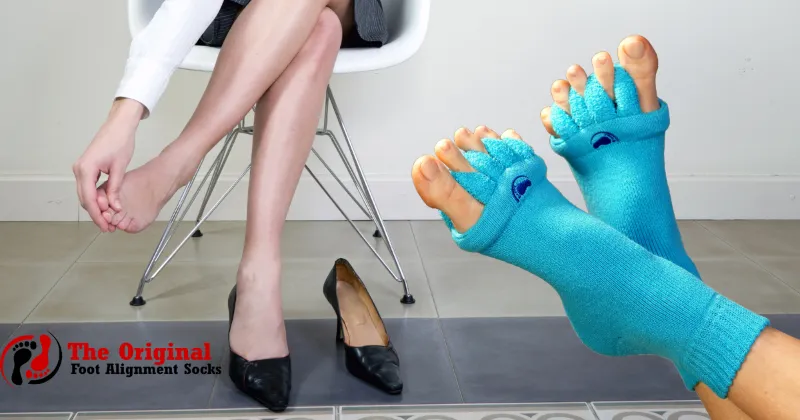
Grab the current discount code before restocking your scrubber or adding complementary products like toe separator socks and happy feet socks to support recovery after exfoliation.
Pairing Your Foot Care Routine for Maximum Softness
Exfoliation alone won't keep feet soft. Lock in moisture within three minutes of drying off by applying a urea-based or shea butter foot cream, then slip on cotton socks overnight. This occlusive method prevents water loss and accelerates healing of micro-cracks left by scrubbing.
Between scrubbing sessions, roll your arch and heel over a feet ball massage or feet ball for two minutes per foot. The pressure stimulates blood flow and breaks up fascial adhesions that contribute to callus formation. 6 Best Foot Scrubs to Buff Away Dead Skin also recommends chemical exfoliants with glycolic or salicylic acid for stubborn rough patches that mechanical scrubbing can't resolve.
A complete routine looks like this:
- Soak or shower to soften skin
- Scrub callused areas with your chosen tool
- Rinse, dry, and moisturize immediately
- Roll feet with a massage ball to boost circulation
- Wear socks overnight to seal in hydration
For travelers or gym-goers, pack a compact manual scrubber and a travel-size foot cream. Consistent light maintenance beats sporadic intensive scrubbing and prevents the thick buildup that requires aggressive treatment. Check the full product range and pricing to build your personalized kit with our current 12% discount.
Common Mistakes That Damage Your Feet
Scrubbing dry skin tears the surface and creates jagged edges that catch on socks and bedding. Always pre-soak or scrub in the shower. Using a scrubber designed for pots or gardening tools—even if the texture looks similar—introduces contaminants and risks injury from sharp edges or splinters.
Skipping moisturizer after exfoliation leaves micro-fissures open to bacteria and accelerates the return of calluses. Your skin compensates for dryness by thickening, which defeats the purpose of scrubbing. Apply cream while your feet are still slightly damp to trap water in the newly exposed layers.
Pressing too hard or scrubbing the same spot repeatedly causes abrasion, not exfoliation. Let the tool's texture do the work; firm, steady pressure in slow circles removes dead skin without damaging live tissue underneath. If you see pink skin or feel heat, stop immediately and rinse with cool water.
Finally, sharing scrubbers between household members spreads fungal infections and bacteria. Each person needs their own tool, stored separately. Label yours or choose a distinct color to avoid mix-ups. 10 Best Foot Scrubs for Soft, Smooth Feet, Tested by Editors also covers ingredient safety and allergen warnings for scrub formulas you might pair with your tool.
Frequently asked questions
How often should I use a foot scrubber?
Use a foot scrubber two to three times per week for moderate calluses. Daily scrubbing can thin healthy skin and trigger overproduction of dead cells as a protective response.
Can I use a foot scrubber on wet or dry feet?
Always use a foot scrubber on wet feet, ideally after soaking or in the shower. Scrubbing dry skin tears the surface and creates rough, jagged edges.
What's the difference between a manual foot scrubber and an electric one?
Manual scrubbers use textured surfaces or bristles and work best in the shower on wet skin. Electric scrubbers have rotating roller heads and are designed for dry feet after showering, offering less physical effort for thick calluses.
How do I clean and store my foot scrubber?
Rinse your scrubber under hot water after every use, soak it weekly in diluted bleach or vinegar for ten minutes, and air-dry completely in a ventilated spot. Never store a wet scrubber in a closed container.
When should I replace my foot scrubber?
Replace manual foot scrubbers every three to four months, or sooner if bristles flatten or the surface glazes over. Electric roller heads typically last six to eight months with weekly use.
Can I use a shower mat foot scrubber for thick calluses?
Shower mat scrubbers work well for daily maintenance and light exfoliation but are less effective on thick heel calluses. For heavy buildup, use a manual dual-texture scrubber or an electric roller.