
How to Frame and Display Your Finished Diamond Art

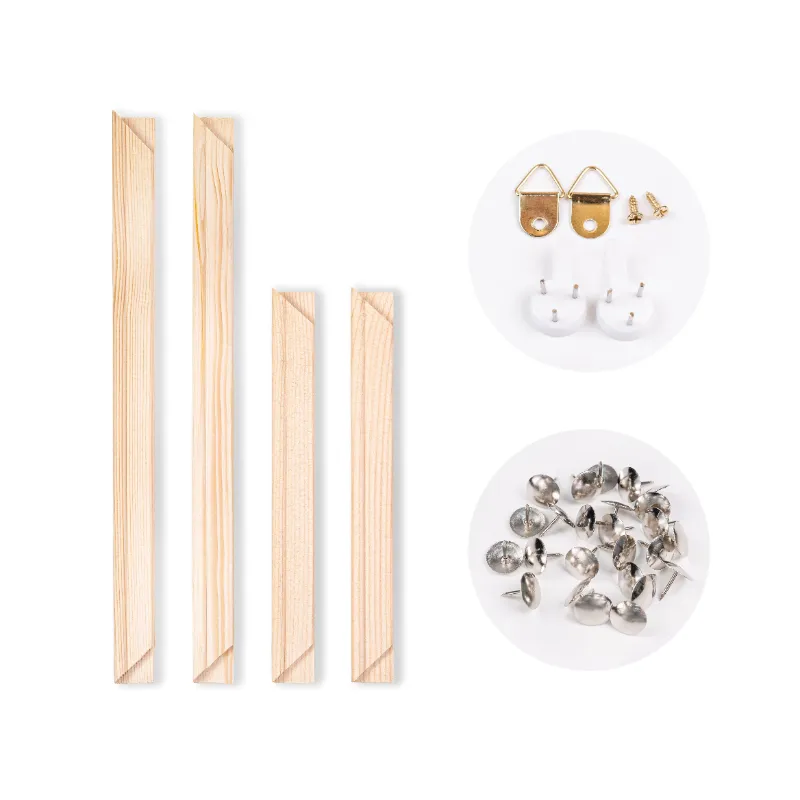
The best way to frame diamond art is to seal it first, then mount it flat before fitting it into a display frame sized to your canvas. Get those three steps right and your finished diament art project will hold up beautifully on any wall, whether you're displaying a small mandala or a large sunflower diamond art canvas.
Why Framing Your Diamond Art Actually Matters
Loose diamonds pop off over time. Unframed canvases warp, yellow, and collect dust. A proper frame solves all three problems at once. It also transforms what is genuinely a craft project into something that looks intentional and finished, the kind of thing guests notice and ask about.
If you've spent hours on diamond dotting and diamond paint work, a decent frame is the last five percent of effort that accounts for about fifty percent of the final impression.
Step 1: Seal the Canvas Before You Frame
Sealing locks every drill in place before the canvas gets handled during framing. Skip this step and you'll knock diamonds loose while stretching or mounting.
- Brush-on sealant works well for flat canvases. Apply one thin coat, let it dry fully, then apply a second.
- Spray sealant is faster and less likely to cause bubbling on large pieces.
- Let the sealed canvas rest flat for at least 24 hours before moving to the next step.
- Avoid sealants with a high-gloss finish if the piece will sit under direct light as they create harsh glare.
A good painting diamond pen is worth keeping nearby during sealing too, so you can nudge any stubborn drills back into position before the sealant sets.
Step 2: Roll Out Wrinkles and Flatten the Canvas
Canvas wrinkles are the most common framing problem. They show through the finished piece and make mounting uneven.
- Place the canvas face-down on a clean, soft surface.
- Use a rolling pin or a smooth cylindrical object to gently press from the center outward.
- For stubborn creases, lay a slightly damp cloth over the back of the canvas (never the front) and apply low heat with an iron set to no-steam.
- Let the canvas return to room temperature completely before framing.
Larger canvases, like a full sunflower diamond art kit, benefit from being weighted flat overnight under a few heavy books after rolling.
How to Frame Diamond Art: Choosing the Right Frame
This is where most people get tripped up. Standard photo frames usually do not work because the depth of the drills adds thickness the frame rebate cannot accommodate. You need a frame with enough depth to fit the canvas plus the drills sitting on top.
| Frame Type | Best For | Depth Needed |
|---|---|---|
| Shadow box frame | Any drill canvas | 1 to 2 cm minimum |
| Stretcher bar frame | Large, square canvases | Canvas wrap depth |
| Clip frame | Quick display, temporary | Flat canvas only |
| Custom frame | Irregular or oversized pieces | Cut to spec |
The frame diamond art display frame from Diamond Art Paintin is built specifically for drill canvases, which takes the guesswork out of depth and sizing. If you want something that fits without modification, it's the most direct route.
Mounting Options: Stretcher Bars vs. Backing Boards
Once you have your frame, you need to decide how the canvas sits inside it.
Stretcher bars are wooden strips you wrap the canvas around, stapling it taut to the back. This gives a gallery-style floating look with no border showing.
- Good for square and rectangular canvases with clean edges.
- The canvas needs to be large enough to wrap around the bars (usually 2 to 3 cm on each side).
- Use a staple gun with short staples to avoid splitting the wood.
Backing boards are rigid boards the canvas is taped or glued flat onto before the whole thing goes into the frame.
- Better for smaller pieces like mandala coasters or any canvas where stretching would distort the design.
- Foam board and acid-free mounting board are both solid choices.
- Double-sided tape or a thin layer of decoupage glue along the edges holds the canvas without warping it.
Sizing Guide: Matching Frames to Common Canvas Sizes
| Canvas Size | Frame Size to Buy | Mount Method |
|---|---|---|
| 20 x 20 cm | 25 x 25 cm | Backing board |
| 30 x 40 cm | 35 x 45 cm | Backing board or stretcher |
| 40 x 50 cm | 45 x 55 cm | Stretcher bars |
| 50 x 70 cm and up | Custom or stretcher | Stretcher bars |
Always measure the canvas itself, not the packaging. Canvases often run slightly larger or smaller than the listed size, and a frame that's even a centimeter too small will not close properly.
Hanging and Care After Framing
- Use two wall hooks rather than one for anything larger than 30 x 40 cm. A single hook lets the frame tilt and shift.
- Keep framed diamond art out of direct sunlight. UV exposure yellows the canvas and fades the drill colors over years.
- Dust the frame surface with a soft, dry cloth. Never spray glass cleaner directly onto the frame if the canvas is behind glass, as moisture can work in around the edges.
- If a drill ever works loose inside the frame, reseal and re-hang rather than ignoring it. One loose drill becomes five.
For anyone working through multiple projects, keeping a diamond painting pen and an electric diamond painting pen on hand means you can do quick touch-up work on diamonds before sealing, rather than after.
Who Gets the Most Out of Framing Their Work
Framing is worth the effort for anyone who:
- Plans to gift a finished piece (a framed canvas reads as a real, considered gift).
- Wants to rotate pieces seasonally without rehanging hardware each time.
- Is building a collection and wants a consistent display look across multiple pieces.
- Has put significant time into a large or detailed canvas and wants it protected long-term.
If you're just starting out with a smaller kit and aren't sure framing is worth it yet, check the latest price on frames and starter kits together. You can often bundle a dot painting artist kit with a display frame for less than buying separately, and there's currently a 10% sitewide discount you can grab the code for here before checking out.
Frequently asked questions
What type of frame works best for diamond art canvases?
You need a frame with a deep enough rebate to accommodate the raised drills on the canvas surface. Shadow box frames and purpose-built display frames designed for drill canvases are the most reliable options. Standard photo frames are usually too shallow and will crack or warp the canvas.
Do I need to seal my canvas before framing?
Yes, sealing before framing is strongly recommended. It locks the drills in place so they don't shift or pop off when you handle the canvas during mounting. Apply one or two thin coats of sealant and let the canvas dry completely flat before you start framing.
Can I frame diamond art without stretcher bars?
Absolutely. Mounting the canvas flat onto a backing board and placing it in a shadow box or deep frame works just as well, and it's often easier for smaller or irregularly shaped canvases. Stretcher bars are better suited to large, rectangular pieces where a taut, gallery-style finish is the goal.
How do I get wrinkles out of my canvas before framing?
Place the canvas face-down on a soft surface and roll it gently from the center outward. For stubborn creases, apply a lightly damp cloth to the back only and press with a low-heat, no-steam iron. Let the canvas cool and flatten completely before mounting.
Will the diamonds fade or fall off once the piece is framed and hung?
Sealing the canvas before framing prevents diamonds from loosening over time. To protect the colors, hang the frame away from direct sunlight and UV light sources. With proper sealing and placement, a framed diamond art piece stays vibrant for many years.
Is there a discount code for buying a display frame from Diamond Art Paintin?
Yes, there is currently a sitewide discount available. You can find the current code and confirm it's still active on the store's coupon page before you check out.