
Best Portable Watercolor Sets for Plein Air and Outdoor Painting

What Makes a Watercolor Kit Portable Enough for Outdoor Painting
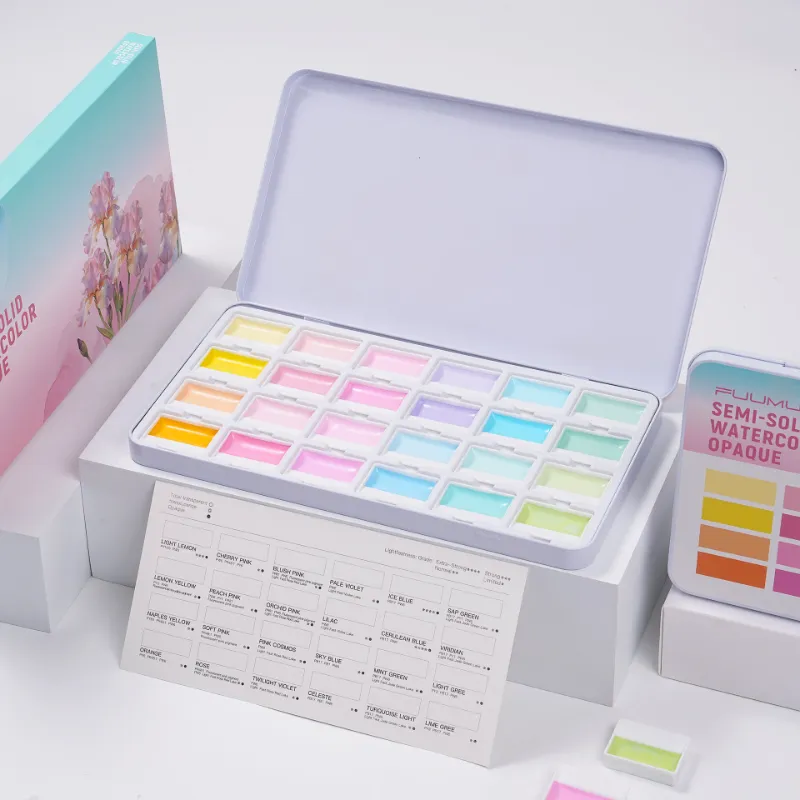
A watercolor kit portable enough for plein air work fits in a daypack, includes at least 12 wells of artist-grade pigment, and closes securely to prevent spills on the trail. The best compact sets also feature a built-in mixing palette, a water reservoir or collapsible cup, and slots for brushes so you can paint standing or seated without a full studio setup. We tested travel kits against full-size pans to see which designs hold up when you're sketching coastlines, mountain trails, or urban scenes away from your desk.
Choosing the right portable water color set depends on how far you hike, the subjects you paint, and whether you prefer tubes or pans. Tubes offer more pigment control and richer saturation, while pans dry faster and weigh less. Both work outdoors, but pans dominate the portable market because they stack neatly and survive jostling better than squeezable tubes.
Compact Watercolor Kits: Pans vs Tubes for Travel
Pan sets are the standard for location painting. A typical portable water color kit with 18 to 24 half-pans weighs under eight ounces and slides into a side pocket. Pans activate quickly with a damp brush, and you can replace individual colors without discarding the entire palette. The trade-off is less pigment per color compared to tubes, so heavy users may need refills after a dozen outdoor sessions.
Tube-based travel kits require you to squeeze paint into empty wells before heading out, then let them dry overnight. This approach gives you full control over your palette and lets you load more pigment for large washes. However, tubes add weight and can burst if frozen or overheated in a car. We recommend tubes only if you paint in one location for extended periods or need specific hues not available in pan form.
| Format | Weight | Best For |
|---|---|---|
| Half-pan set | 4–8 oz | Day hikes, fast setup, frequent color switching |
| Tube palette | 10–14 oz | Multi-day workshops, custom mixes, studio-quality saturation |
Check current pricing and grab the code for 10% off watercolor kits and refills at Fuumuui.
Essential Brushes for a Portable Watercolor Setup
Your brush selection matters as much as the paint. A good outdoor kit needs three core shapes: a size 6 or 8 round for detail and line work, a flat or bright for bold strokes and edges, and a mop watercolor brush for skies and large washes. Synthetic travel brushes collapse or telescope to half their working length, protecting the tip and saving space.
Miniature paint brushes are popular for botanical studies and urban sketching because they pack tightly and handle fine features like window frames or leaf veins. Pair them with a larger round if you plan to cover more than a quarter sheet of paper. Natural-hair brushes like hog bristle paint brush options hold more water than synthetic versions, but they're bulkier and slower to dry. We carry both in our field bag: synthetics for windy days when brushes blow off the easel, and natural hair when humidity is high and we need maximum flow.
Collapsible brush cases with elastic loops keep ferrules from knocking together and bending. Avoid loose storage in a backpack; even one bent tip ruins a brush's point.
Choosing Watercolor Paper That Travels Well
Paper weight and texture determine how much water your painting can absorb before buckling. 100 cotton cold pressed watercolor paper at 140 lb (300 gsm) is the sweet spot for travel: thick enough to handle wet-on-wet techniques without warping, light enough to carry a dozen sheets without exceeding a pound. Cold-pressed texture grips pigment and creates natural granulation, which helps when you're painting quickly and can't wait for layers to dry.
Pre-cut blocks and pads are more convenient than loose sheets because the edges stay glued until you finish, preventing curling in wind. Tear off completed work with a palette knife or butter knife. For longer trips, we pack:
- A 9×12-inch block for landscapes and larger compositions
- A 5×7-inch pad for quick studies and color notes
- A watercolor sketchbook with stitched binding for continuous panoramas
Hot-pressed paper works well for tight architectural details but shows every brushstroke, so save it for subjects that reward precision over spontaneity. Rough paper adds drama to skies and foliage but can be tricky in bright sun when you can't see subtle value shifts. Watercolor art supplies that include sampler packs let you test textures before committing to a full block.
What to Look for in a Field-Ready Watercolor Palette
The palette itself needs a secure latch, a thumb hole or grip, and enough mixing area for at least two colors at once. Folding palettes with lid wells double your mixing space, and the lid protects wet paint during transport. Metal palettes are nearly indestructible but get hot in direct sun; plastic versions stay cool and weigh less, though they can crack if you sit on a pack.
Look for these features in a watercolor kit portable design:
- Removable mixing tray so you can rinse without dumping paint
- Elastic or magnetic closures that stay shut even when the kit tips over
- Well depth of at least 8 mm to prevent pans from popping out
- Sponge or foam insert to cushion pans during hikes
Some kits include a built-in water reservoir with a screw cap, which is useful on long trails where streams are scarce. We prefer a separate collapsible silicone cup because it's easier to dump muddy water and refill without opening the palette.
Who Should Invest in a Dedicated Portable Set
Plein air painters, urban sketchers, and travel journalists get the most value from a dedicated compact kit. If you paint outdoors more than twice a month, a fuumuui art travel set pays for itself in convenience and durability compared to repackaging a studio palette. The Strategist's guide to travel watercolor sets highlights similar priorities: lightness, secure closures, and enough pigment variety to handle shifting light.
Beginners benefit from all-in-one kits that bundle paint, brushes, paper, and a carry case. These sets eliminate guesswork and let you focus on technique rather than gear. Advanced painters often build custom kits by filling empty palettes with their favorite pan colors, adding a collapsible brush roll, and packing only the paper sizes they use regularly.
Classroom teachers and workshop leaders should consider buying a second portable kit as a backup. Latches break, pans fall out, and water reservoirs crack, usually at the worst moment. A spare means you can keep painting while repairs happen.
Caring for Your Portable Watercolor Kit Between Sessions
Rinse mixing wells after every session to prevent colors from staining or hardening into unusable lumps. Let pans air-dry with the lid open before closing for storage; trapped moisture encourages mold and weakens adhesive. Synthetic brushes tolerate rough handling, but natural-hair options like the artify hog bristle oil paint brushes set need reshaping after cleaning. Wet the bristles, form a point or chisel edge with your fingers, and let them dry horizontally.
Store your kit in a cool, dry spot away from direct sun. Extreme heat softens binder in watercolor pans, causing colors to bleed together. Extreme cold can crack plastic palettes and make paint brittle. If you paint in freezing temperatures, keep the kit inside your jacket until you're ready to work, then return it to warmth as soon as you finish.
Check the latest price on replacement pans, brushes, and paper at Fuumuui, where our readers save 10% sitewide with the current discount code. Replace worn brushes and empty pans before your next trip so you're not improvising in the field.
Packing Your Watercolor Kit for Air Travel and Long Hikes
TSA allows watercolor pans and brushes in carry-on bags, but liquid paint and large water containers must go in checked luggage or stay under 3.4 ounces. We pack a collapsible cup and fill it after security. Wrap your palette in a towel or shirt to cushion it, and place it in the center of your bag surrounded by soft items.
For multi-day hikes, weight matters. A minimalist kit with 12 pans, two brushes, and a half-dozen sheets of paper weighs under a pound and fits in a gallon zip-lock bag as a waterproof liner. Add a small sponge for lifting color and blotting, and a pencil for initial sketches. Skip easels unless you're car camping; most plein air painters work on their lap or prop a board against a rock.
Frequently asked questions
What size watercolor kit portable is best for day hikes?
A half-pan set with 12 to 24 colors in a palette no larger than 6×4 inches fits easily in a daypack and provides enough variety for landscapes. Look for a secure latch and built-in mixing area so you don't need extra gear.
Can I use miniature paint brushes for outdoor watercolor painting?
Yes, miniature brushes work well for botanical studies and detail work, but pair them with at least one larger round or mop brush if you plan to cover areas larger than a few inches. Miniature tips alone make large washes tedious.
Do I need 100% cotton watercolor paper for plein air work?
Cotton paper handles wet techniques and lifting better than cellulose blends, but it's not mandatory. Many artists use mixed-media or student-grade paper for quick studies and save cotton for finished pieces. The key is choosing 140 lb weight or heavier to prevent buckling.
How do I keep my portable watercolor set from spilling in my backpack?
Close the palette lid securely, let mixing wells dry before packing, and store the kit upright or wrapped in a towel. Some painters use a rubber band or Velcro strap around the closed palette for extra security on rough trails.
What is the difference between a portable water color set and a studio palette?
Portable sets are lighter, more compact, and have secure closures to prevent spills during transport. Studio palettes offer larger mixing areas and more wells but lack portability features like thumb holes, built-in water reservoirs, and travel-safe latches.
Should I choose hog bristle or synthetic brushes for travel painting?
Synthetic brushes are lighter, dry faster, and cost less, making them ideal for travel. Hog bristle and other natural-hair brushes hold more water and create smoother washes but require more care and space. Many artists carry both and choose based on the day's conditions.