
How to Choose the Right Watercolor Paper: Cold Pressed vs Hot Pressed for Beginners

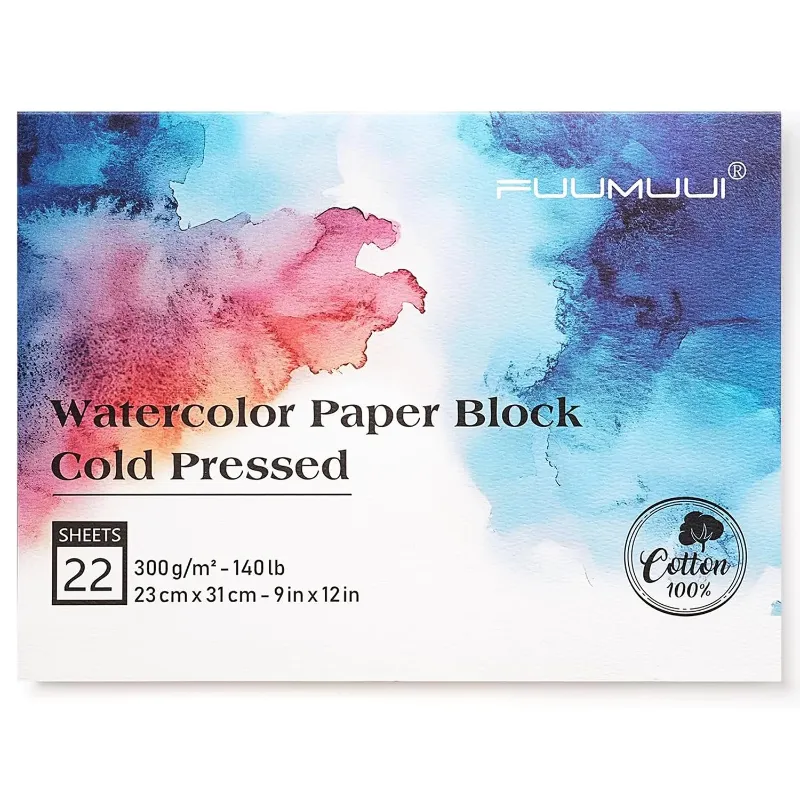
Choosing 100 cotton cold pressed watercolor paper gives beginners the forgiving texture and absorbency needed to master wet techniques without frustration. Cold pressed paper offers a medium tooth that grips pigment beautifully while allowing corrections, making it the most versatile surface for new watercolorists. We tested dozens of sheets alongside our portable water color set and mop watercolor brush to show you exactly what matters.
What Makes 100 Cotton Cold Pressed Watercolor Paper Different
The fiber content and pressing method define how your paint behaves. 100 percent cotton watercolor paper absorbs water evenly and withstands scrubbing, lifting, and layering without pilling or warping. Cellulose (wood pulp) papers cost less but yellow over time and tear when you try to lift pigment.
Cold pressed paper sits between rough and hot pressed in texture. The manufacturer presses the wet pulp through cold cylinders, leaving a subtle tooth that catches pigment and creates soft edges. This texture suits everything from loose washes to detail work, which is why we recommend it for beginners building their first watercolor kit portable.
Hot pressed paper goes through heated rollers that flatten the surface to a smooth finish. It works beautifully for fine lines and botanical illustration but shows every brushstroke and resists water, making it less forgiving for new painters.
Cold Pressed vs Hot Pressed: Which Is Better for Beginners
Which is better cold press or hot press watercolor paper depends on your painting style, but cold pressed wins for versatility. Here's how they compare when paired with fuumuui art supplies:
| Surface | Texture | Best For | Beginner-Friendly |
|---|---|---|---|
| Cold Pressed | Medium tooth | Landscapes, portraits, mixed techniques | Yes |
| Hot Pressed | Smooth | Detailed illustrations, scanning, ink | Moderate |
| Rough | Heavy tooth | Loose washes, expressive work | Yes |
Cold pressed paper forgives mistakes. You can lift color with a damp brush or sponge, blend edges easily, and layer glazes without the paper breaking down. Hot pressed shows every uneven wash and puddle, which frustrates beginners still learning water control.
We tested both surfaces with a portable water color kit and miniature paint brushes. Cold pressed handled wet-on-wet techniques, dry brush textures, and masking fluid removal without damage. Hot pressed required precise water ratios and didn't allow much correction.
How to Evaluate Paper Weight and Cotton Content
Weight measures thickness in pounds (per ream) or grams per square meter. 140 lb (300 gsm) cold pressed paper is the beginner standard because it handles wet techniques without buckling when taped down. Lighter 90 lb sheets need stretching, and heavier 300 lb blocks cost more than most new painters need.
Look for "100% cotton" or "cotton rag" on the label. Brands like Fluid 100 Watercolor Paper Block 9X12 140lb Cold Press clearly state fiber content. Blends (25% or 50% cotton) offer some durability at lower cost but won't last decades or handle as much reworking.
Blocks and sheets serve different needs:
- Blocks glue sheets on all four edges so paper stays flat while wet, no taping required
- Sheets cost less per page and let you cut custom sizes for watercolor art projects
- Pads offer convenience but may need taping depending on how wet you work
Check the latest price on blocks versus individual sheets to decide what fits your budget and painting frequency.
Pairing Paper with Brushes and Paint Quality
Your paper choice affects which brushes perform best. Cold pressed texture works beautifully with both synthetic and natural hair. We paired 100 cotton cold pressed watercolor paper with a hog bristle paint brush for scrubbing and lifting, then switched to softer rounds for glazing. The tooth held pigment from both without streaking.
Hot pressed paper requires softer brushes because the smooth surface shows every bristle mark. Stiffer brushes scratch the finish and create unwanted texture.
Paint quality matters more than most beginners realize. Student-grade paints contain fillers that sit on the paper surface rather than staining the fibers. Artist-grade pigments (even in a budget portable water color set) penetrate cotton fibers for richer color and better lightfastness. Cold pressed paper shows this difference clearly because its absorbency pulls pigment into the tooth.
Testing Paper Before Committing to Large Sheets
Buy sample packs or small blocks before investing in full sheets. Test each surface with your artify hog bristle oil paint brushes set or watercolor rounds to see how it handles your water ratio and painting speed.
Run these quick tests on any new paper:
- Wet-on-wet: Drop pigment into a damp wash to check bleed and edge softness
- Lifting: Let a wash dry, then scrub with a damp brush to see if color lifts without pilling
- Layering: Paint three overlapping glazes to test transparency and buckling
- Masking fluid: Apply, paint over it, and remove to check if the surface tears
Cold pressed cotton passes all four tests. Cellulose papers often fail the lifting and masking checks because the fibers shred under stress.
Grab the code for 10% off sitewide when you stock up on paper and brushes together.
When to Upgrade from Student to Professional Paper
Start with 140 lb cold pressed cotton and upgrade when you notice limitations. If you paint large (16×20 or bigger), heavier 300 lb paper eliminates buckling. If you sell work or want archival quality, invest in mold-made or handmade sheets with deckled edges.
Professional paper costs three to five times more than student grade, but the difference shows in:
- Pigment vibrancy: Cotton fibers hold more pigment for richer darks and cleaner lights
- Reworking tolerance: You can scrub, lift, and layer repeatedly without damaging the surface
- Longevity: Acid-free, lignin-free cotton won't yellow or become brittle over decades
Most beginners see dramatic improvement simply by switching from cellulose to 100 percent cotton watercolor paper, even in student weight. The cotton fibers respond to water predictably, letting you focus on technique rather than fighting your materials.
Save professional paper for finished pieces and use student cotton for sketches and studies. This approach builds skills without breaking your budget, especially when you pair quality paper with a versatile watercolor kit portable that travels easily.
Frequently asked questions
What does cold pressed mean in watercolor paper?
Cold pressed watercolor paper has a medium texture created by pressing wet pulp through unheated cylinders. This leaves a subtle tooth that grips pigment and allows both detailed work and loose washes, making it the most versatile surface for beginners and professionals.
Is 100 cotton watercolor paper worth the extra cost for beginners?
Yes, 100 cotton paper handles wet techniques, lifting, and layering far better than cellulose paper. It won't pill when you scrub to correct mistakes, and it stays archival for decades. The difference in control and forgiveness helps beginners learn faster.
Can I use cold pressed paper with a portable watercolor set?
Cold pressed paper works perfectly with portable watercolor sets. The medium texture grips pigment from pans or tubes equally well, and 140 lb weight stays flat when taped to a board or used in a block format for plein air painting.
Should beginners start with cold pressed or hot pressed watercolor paper?
Beginners should start with cold pressed because it forgives mistakes and handles every technique. Hot pressed paper's smooth surface shows uneven washes and resists lifting, which frustrates new painters still learning water control.
How do I prevent watercolor paper from buckling?
Use 140 lb or heavier paper, tape all four edges to a board, or buy a glued block. Cold pressed cotton in 140 lb weight handles moderate wetness without stretching when secured properly. Very wet techniques may require 300 lb paper.
What paper weight should I buy for a watercolor kit?
140 lb (300 gsm) cold pressed paper suits most beginners and portable kits. It's thick enough to handle wet washes without buckling when taped down, yet affordable enough for daily practice. Lighter 90 lb paper requires stretching, and heavier weights add unnecessary cost.