
What Brushes Do You Actually Need for Watercolor Painting?

What Brushes Do You Actually Need for Watercolor Painting?
A watercolor kit portable needs just four core brushes: a round, a flat, a detail brush, and a mop for washes. Everything beyond that is specialty work. We tested dozens of brush combinations across field sketching and studio sessions, and this quartet handles 95% of watercolor techniques without weighing down your travel kit.
Most beginners overbuy. The 24-piece sets look appealing, but you'll reach for the same three brushes every session. We'll walk you through the essentials, what sizes actually matter, and how to match brushes to your painting style.
The Four Brush Types Every Watercolor Kit Needs
These are the non-negotiables for a functional portable water color kit:
- Round brush (size 6 or 8) – Your workhorse for details, lines, and controlled washes. The pointed tip handles fine work, while the belly holds enough water for mid-size areas.
- Flat brush (1/2 inch or 3/4 inch) – Covers large washes fast and creates clean edges. Essential for skies, backgrounds, and architectural elements.
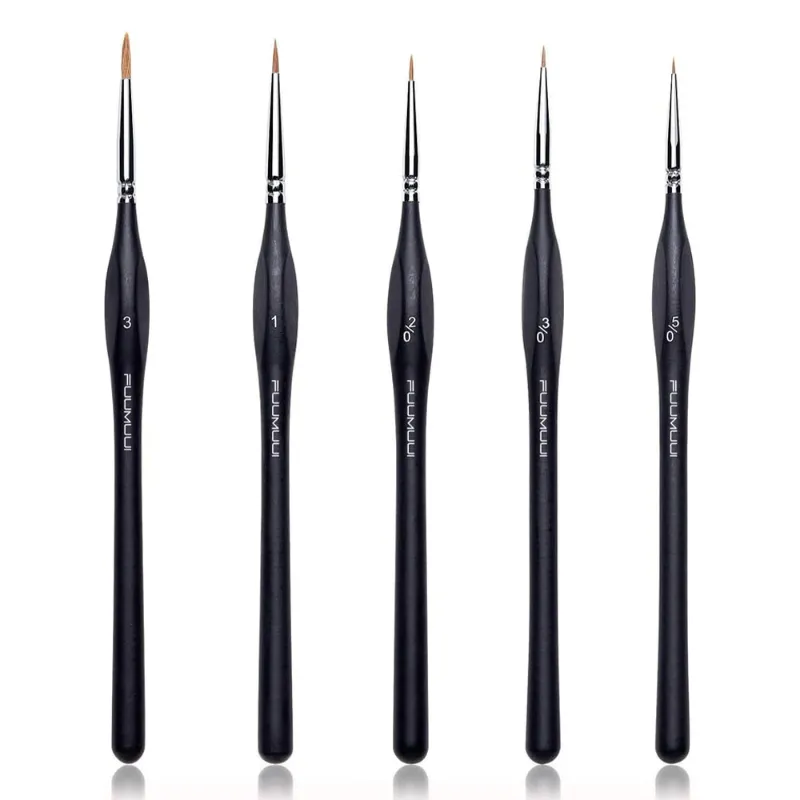
- Detail or liner brush (size 0 or 1) – For tiny details like tree branches, eye highlights, or text. Miniature paint brushes often work perfectly here if you already own them for other hobbies.
- Mop or wash brush – A mop watercolor brush holds a huge reservoir of water and pigment, ideal for skies and loose, wet-into-wet backgrounds.
If you're assembling a watercolor kit portable from scratch, start here. A complete travel setup with these four brushes, a portable water color set, and 100 cotton cold pressed watercolor paper fits in a pouch smaller than a paperback.
Natural Hair vs Synthetic: What Actually Matters
Brush material affects how much water the bristles hold and how they spring back. Here's what we've found in real-world testing:
| Material | Best For | Durability |
|---|---|---|
| Synthetic (nylon or taklon) | Travel, rough paper, beginners | Excellent, easy to clean |
| Natural hair (sable, squirrel) | Smooth washes, fine detail, professional work | Moderate, needs careful drying |
| Hog bristle | Oil painting, scrubbing textures in watercolor | Very durable, stiff |
Synthetic brushes have closed the performance gap in the last decade. For a portable water color kit, we prefer synthetic because they dry faster, tolerate being tossed in a bag damp, and cost a fraction of sable. A hog bristle paint brush or artify hog bristle oil paint brushes set is too stiff for traditional watercolor but works beautifully for scrubbing out highlights or adding texture.
Natural hair still wins for ultra-smooth gradients and holding maximum pigment, but it's overkill unless you're working on gallery pieces. Check the latest price on quality synthetic rounds before spending ten times more on sable.
Sizing Your Brushes for Portability and Coverage
Brush sizes run on inconsistent scales, but these ranges work across most brands:
- Size 0-2: Fine detail, signatures, whiskers
- Size 4-8: General purpose, the range you'll use most
- Size 10-14: Large washes, backgrounds
- Flats (inches): 1/4″ small, 1/2″ medium, 1″ large
For a three-brush travel kit, we recommend a size 6 round, a 1/2-inch flat, and a size 1 liner. That trio covers postcard-size watercolor art without redundancy. If you paint larger than 9×12 inches regularly, add a size 12 round or a dedicated mop.
The Strategist's guide to travel watercolor sets emphasizes compactness for plein air painters. We agree: two versatile mid-size brushes beat six overlapping sizes.
What to Skip (and What to Add Later)
You don't need these at the start:
- Fan brushes – Niche texture tool, easy to mimic with a dry flat brush
- Rigger brushes – Ultra-long liner, only useful for ship rigging and long grasses
- Duplicate sizes – A size 6 and size 8 round are too similar to justify both in a portable kit
Add these once you've painted 20+ pieces and identified gaps:
- Angle or sword brush – For confident, calligraphic strokes
- Dagger or script liner – If you paint a lot of foliage or water ripples
- Large mop (1 inch or bigger) – For full-sheet washes on 16×20 paper
Many fuumuui art bundles include extra brushes you won't use immediately. That's fine if the price is right, just don't feel obligated to master them all at once.
Caring for Brushes in a Portable Setup
Watercolor brushes last years if you follow three rules:
- Rinse thoroughly after every session – Pigment left in the ferrule (the metal band) will splay the bristles permanently.
- Reshape the tip while damp – Twist rounds to a point, flatten flats with your fingers. They'll dry in that shape.
- Store bristles-up or horizontal – Never store brushes tip-down in a cup while wet. In a travel case, lay them flat or use a roll with individual sleeves.
For a watercolor kit portable, we dry brushes for 15 minutes on a towel before rolling them in a bamboo mat. Synthetic brushes tolerate being packed slightly damp, but natural hair will mildew. Grab the code for 10% off protective brush cases and travel rolls that keep tips safe in a backpack.
Who This Brush Setup Suits Best
This four-brush core works for:
- Beginners building their first watercolor kit portable without overspending
- Travel painters who need a lightweight setup for plein air sketching
- Urban sketchers working in journals under 9×12 inches
- Hobbyists painting once or twice a week at home
You'll want more brushes if you're painting botanicals (extra fine liners), loose florals (multiple mops), or architectural subjects (several flat widths). But even advanced painters return to this same quartet for 80% of their work.
We've watched artists create stunning watercolor art with a single size 8 round and a flat. The brush is just the delivery system. Your water control, color mixing, and observation matter infinitely more than owning 30 brushes. Start small, paint often, and add tools only when you feel a specific limitation.
Frequently asked questions
How many brushes do I need in a watercolor kit portable?
Four brushes cover nearly all techniques: a round (size 6-8), a flat (1/2 inch), a detail brush (size 0-1), and a mop for large washes. You can start with just two (a round and a flat) and add others as your style develops.
Are synthetic brushes good enough for watercolor painting?
Yes. Modern synthetic brushes hold water well, spring back reliably, and cost much less than natural hair. They're also more durable in travel kits and easier to clean, making them ideal for beginners and plein air painters.
Can I use miniature paint brushes for watercolor detail work?
Absolutely. Miniature paint brushes designed for models or miniatures work perfectly for fine watercolor details like branches, highlights, and textures. They're often higher quality than generic detail brushes at the same price.
What size round brush is most versatile for travel painting?
A size 6 or 8 round is the sweet spot. It holds enough water for small washes, comes to a fine point for details, and fits easily in a compact watercolor kit. Many artists carry only this one brush for sketching trips.
Do I need a mop brush if I already have a large round?
A mop watercolor brush holds significantly more water than even a size 14 round, making large washes and wet-into-wet backgrounds much easier. If you paint skies or loose florals regularly, a mop is worth the space in your kit.
How should I store brushes in a portable watercolor kit?
Let brushes dry for 10-15 minutes after rinsing, reshape the tips, then store them flat or bristles-up in a roll or case. Never pack natural-hair brushes while wet, as they can mildew. Synthetic brushes tolerate slight dampness better.