
Do Gel Water Guns Hurt? Safety Guide for Gel Blasters

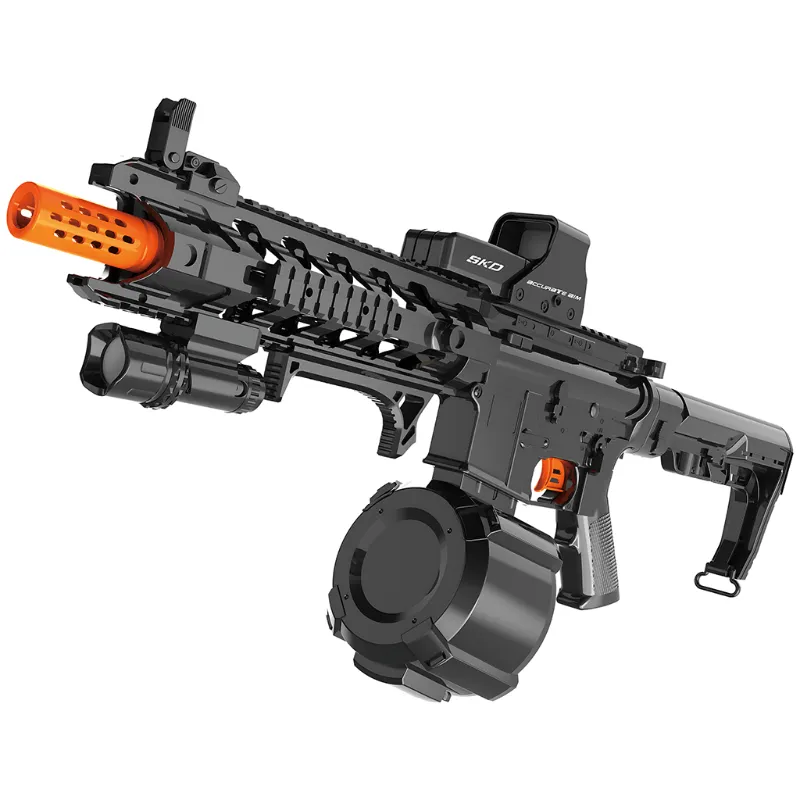
Do Gel Water Guns Hurt When You Get Hit?
A gel water gun can sting on bare skin at close range, but serious injury is rare when you follow basic safety rules and use proper eye protection. The impact feels similar to a light snap from a rubber band—brief discomfort that fades in seconds. Most gel blasters fire soft, water-absorbent gel balls that break on contact, spreading the force across a small area rather than penetrating like a hard projectile.
Pain level depends on distance, velocity, and where the gel ball lands. A hit to bare skin from 10 feet with a standard orbeez gun typically leaves a small red mark that disappears within minutes. Hits through clothing are barely noticeable. The real risk is eye injury, which is why we and every manufacturer insist on impact-rated goggles during play.
Below we break down what affects sting level, how to minimize discomfort, and the protective gear that keeps gel blaster games safe for all ages.
What Affects How Much a Gel Blaster Hurts
Distance is the single biggest factor. Gel balls lose velocity quickly after leaving the barrel. A gel blaster gun firing at 150 feet per second will sting at 5 feet but feel like a light tap at 30 feet. Always enforce a minimum engagement distance of 10 to 15 feet during games.
Velocity and FPS matter, but most recreational gel blasters fall within a safe 130 to 180 FPS range. Higher-powered models marketed as realistic gel blaster replicas may exceed 200 FPS and deliver a sharper sting. Check the latest specs and pricing before you buy to confirm the blaster suits your intended use.
Gel ball quality and hydration also play a role. Properly soaked gel balls are soft and break cleanly on impact. Under-hydrated or stale balls become harder and may bounce rather than burst, increasing discomfort. Soak your ammo for at least 4 hours in clean water, and discard any that feel brittle or irregular.
Impact zone changes the sensation dramatically. Hits to padded areas like the torso or thighs are barely felt, while hits to exposed skin on the neck, hands, or face can sting. This is why Official Boutique of Gel Blaster – GelwaterGun and other reputable retailers emphasize protective gear in every product listing.
Safety Gear to Prevent Injury
Eye protection is non-negotiable. A direct hit to the eye from even a low-powered water ball gun can cause serious damage. Use ANSI Z87.1-rated safety goggles or a full-face mask rated for airsoft or paintball. Regular sunglasses and mesh goggles do not offer adequate protection.
Face masks and neck gaiters add a layer of comfort without restricting movement. A lightweight balaclava or neck gaiter prevents stinging hits to the jawline and throat, two of the most sensitive areas. Full-face masks combine eye and lower-face coverage in one piece, ideal for younger players or anyone new to gel blaster games.
Long sleeves and pants reduce exposed skin and make hits nearly painless. Lightweight athletic wear works well in warm weather; you don't need heavy tactical gear unless you're playing at a higher intensity. Gloves protect the backs of your hands, a common impact zone when gripping a pistol gel blaster or arp orbeez gun during active play.
Closed-toe shoes prevent foot injuries from stepping on spent gel balls, which can be slippery on hard surfaces. Sneakers or light boots offer good grip and protect your toes if you accidentally step on a blaster or other gear.
Grab our 5% discount code to save on safety bundles that include goggles, masks, and extra magazines.
Pain Comparison: Gel Blasters vs Other Toy Blasters
| Type | Typical FPS | Impact Feel | Eye Risk |
|---|---|---|---|
| Gel blaster | 130–180 | Light sting, fades fast | High without goggles |
| Nerf dart | 60–80 | Soft tap, no sting | Low (foam tip) |
| Airsoft BB | 300–400 | Sharp sting, welts possible | Very high |
Gel blasters sit between foam dart blasters and airsoft in both realism and impact. A gel blaster gun delivers more tactical feedback than a Nerf blaster but far less pain than airsoft. This makes gel blasters popular for backyard games where you want excitement without the welts and bruises common in airsoft.
Paintball guns fire heavier projectiles at higher velocity, leaving larger bruises even through clothing. Gel balls break apart and evaporate, leaving no sticky residue and minimal cleanup. The Gel Blaster SURGE and similar models are designed for family-friendly outdoor play, not competitive mil-sim events.
Who Should Use Gel Blasters and Age Recommendations
Most manufacturers recommend gel blasters for ages 12 and up, though many models are safe for younger players with adult supervision and proper gear. A lower-velocity orby guns or orbi guns model paired with a full-face mask works well for kids 8 to 11 who want to join family games.
Adults enjoy gel blasters for casual target practice, backyard team games, and low-impact tactical training. The realistic weight and action of a realistic gel blaster replica adds immersion without the cost and hassle of airsoft field fees and heavy protective gear.
Mixed-age groups can play together by adjusting engagement distances and ensuring younger or newer players wear full protective gear. Set a 20-foot minimum distance for younger kids, and reserve close-quarters play for experienced players in full coverage.
Always supervise children during gel blaster play, and store blasters and ammo out of reach when not in use. Treat every gel blaster as if it were a real firearm: never point it at anyone without their consent to play, and never use it in public spaces where it could be mistaken for a real weapon.
Tips to Reduce Sting and Play Comfortably
- Hydrate gel balls fully: soak for 4 to 6 hours in clean water until they reach 7 to 8mm diameter. Under-soaked balls are harder and sting more.
- Enforce minimum distances: 10 to 15 feet for standard backyard games, 20 feet for younger or less experienced players.
- Wear layers: a light long-sleeve shirt and athletic pants eliminate most sting without overheating.
- Adjust velocity: some gel blasters include adjustable FPS settings or hop-up controls. Start low and increase only if needed for range.
- Choose quality models: reputable brands like those available at GelwaterGun's official store use consistent spring and gearbox specs that deliver predictable, safe velocities.
- Inspect and maintain: clean your blaster's barrel and gearbox regularly to prevent misfires that could send balls off-course or at inconsistent speeds.
Check current pricing and our discount code to stock up on quality gel balls and protective gear before your next game.
When to Seek Medical Attention
Serious injury from a gel blaster is rare, but you should seek medical care if:
- A gel ball hits an unprotected eye, even if vision seems normal afterward. Eye injuries can worsen over hours.
- A hit causes immediate swelling, persistent bleeding, or a deep bruise that doesn't fade within 24 hours.
- A player shows signs of allergic reaction to gel ball material (rare, but possible with certain hydrogel formulations).
- A hit near the eye, temple, or ear causes dizziness, nausea, or vision changes.
Most hits result in nothing more than a small red mark that fades within 30 minutes to an hour. Applying a cold compress immediately after a stinging hit can reduce redness and discomfort.
Keep a basic first-aid kit on hand during play: adhesive bandages, antiseptic wipes, cold packs, and pain reliever for anyone who takes a particularly sharp hit. With proper gear and common-sense rules, gel blaster games remain one of the safest and most accessible forms of outdoor tactical play.
Frequently asked questions
Do gel water guns hurt more than Nerf blasters?
Yes, a gel water gun stings more than a Nerf dart because gel balls are denser and travel faster, but the discomfort is brief and far less than airsoft or paintball. Proper hydration of the gel balls and wearing light protective clothing minimize any sting.
Can a gel blaster cause serious injury?
Serious injury is rare when players wear impact-rated eye protection and follow minimum engagement distances. The main risk is eye damage from a direct hit, which is why goggles or a full-face mask are mandatory during play.
What age is safe for gel blaster guns?
Most gel blasters are recommended for ages 12 and up, though younger children can safely play with adult supervision, lower-velocity models, and full protective gear including a face mask. Always enforce safe distances and proper eye protection for all ages.
How can I make gel blaster hits hurt less?
Wear long sleeves and pants, enforce a 10 to 15-foot minimum engagement distance, and ensure gel balls are fully hydrated for 4 to 6 hours before play. Quality gel blasters with consistent velocity also reduce unpredictable hard hits.
Do realistic gel blasters hurt more than toy models?
Realistic gel blasters often have higher FPS (over 200) and can sting more on impact, especially at close range. Check the velocity specs and use appropriate protective gear if you choose a higher-powered model for adult play.
What safety gear do I need for a gel blaster game?
At minimum, wear ANSI Z87.1-rated safety goggles or a full-face mask. Long sleeves, pants, gloves, and closed-toe shoes add comfort and protection. Never play without proper eye protection, as eye injuries are the most serious risk.