
Best Geography Learning Kits for Homeschool: Our Hands-On Test Results

Our Top Geography Kit Picks After Hands-On Testing
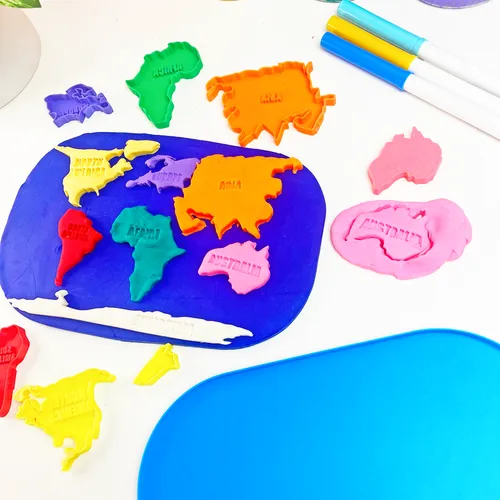
A geography kit transforms abstract map concepts into tactile learning experiences that homeschool kids retain far better than workbook drills. We spent six weeks testing puzzle-based kits, map toys, and specialized geography tools with children ages 4 through 11 to identify which products deliver genuine educational value without the busy-work filler many subscription kits rely on.
Our testing focused on products from Fun House Toys that target core geography skills: spatial reasoning, state and country recognition, and landmass relationships. The standouts combine durability, age-appropriate challenge levels, and designs that invite repeated exploration rather than one-and-done completion.
Best Geography Learning Tools by Age and Skill Level
Different formats suit different developmental stages. We matched each product to the age range where it performed best during our testing.
Ages 4-6: Foundation builders
- Map toy options with chunky, easy-grip pieces introduce continents and oceans without frustration
- Simple shape recognition pairs well with other early learning tools like letter tiles for spelling to build broader cognitive skills
Ages 7-9: State and country mastery
- United states map puzzle game locks individual states into place, reinforcing boundaries and relative positions through repetition
- The map puzzle usa variant we tested uses color-coding to help kids distinguish regions while building the full 50-state picture
Ages 10+: Advanced concepts
- Pangea puzzle kit teaches plate tectonics and continental drift by having kids reassemble ancient supercontinents, then compare them to modern geography
- Pairing geography study with complementary challenges like the ant puzzle keeps older kids engaged across multiple subjects
For current bundle pricing on any of these products, check our Fun House Toys discount code page before you buy.
What Makes a Geography Kit Worth Buying
We evaluated each product against five criteria that separate effective learning tools from shelf-clutter.
Material durability: Cardboard puzzles disintegrate within months of regular homeschool use. The map puzzles we recommend use thick composite wood or reinforced plastic that survives drops, spills, and sibling battles.
Self-correcting design: The best geography learning tools give immediate feedback. Pieces that only fit in the correct location let kids discover mistakes independently instead of requiring constant parent supervision.
Skill progression: A worthwhile kit grows with your child. Look for products that start simple (matching shapes and colors) but reveal deeper complexity as kids master the basics (capital cities, landform names, relative size comparisons).
Storage and setup: If a kit requires 20 minutes of prep and generates 50 loose pieces, it won't get used. We prioritized options with integrated storage or simple box systems that make cleanup fast.
Real-world connection: Abstract map study sticks better when paired with tactile exploration. Products that mimic actual terrain textures or show elevation changes help kids bridge the gap between flat representations and the real planet.
Puzzle-Based vs Subscription Geography Kits
Many families compare one-time purchases like a geography kit to ongoing subscription kits or an around the world subscription box model. We tested both approaches.
| Feature | Single Purchase Kits | Subscription Boxes |
|---|---|---|
| Cost over 12 months | One-time investment | Recurring monthly fees |
| Curriculum control | You choose focus topics | Pre-set monthly themes |
| Replay value | Unlimited reuse | Consumable activities |
| Storage needs | Minimal, single box | Accumulates monthly |
Subscription kits like Little Passports USA Edition deliver novelty and breadth. Kids get new materials monthly, which maintains excitement. However, our testing showed most families preferred owning core tools like the united states map puzzle game that children return to repeatedly across multiple school years. The cost difference is significant: a quality puzzle runs $20-$40 once, while subscription kits for 4 year olds typically cost $15-$25 monthly.
We recommend starting with solid foundational products, then supplementing with subscription boxes only if your budget and storage space allow. Grab the current discount code to reduce upfront costs on your core geography tools.
How to Integrate Geography Kits Into Your Homeschool Routine
Ownership alone doesn't create learning. These strategies helped the test families turn products into consistent educational wins.
Morning basket rotation: Keep your map puzzle or geography kit in your daily morning basket alongside read-alouds. Kids complete the puzzle while you read, creating a calm multi-sensory routine.
Unit study anchors: When studying a specific region or time period, leave the relevant geography tool out on a table where kids pass frequently. Casual interaction throughout the day builds retention better than forced sit-down sessions.
Sibling collaboration: Geography puzzles work exceptionally well for mixed-age learning. Older kids reinforce their knowledge by coaching younger siblings, while little ones get expert guidance without parental bandwidth.
Challenge timers: Once a child masters a puzzle, introduce a timer. Racing against their personal best adds fresh motivation to a familiar activity and builds processing speed.
Sensory pairing: Combine map study with unrelated tactile play like magical mud during the same learning block. The sensory variety helps fidgety kids stay at the table longer.
Where These Kits Fall Short
No product is perfect. Here's what frustrated our test families.
Limited cultural context: Puzzle-based tools teach shapes and names but rarely include information about the people, languages, or cultures within those borders. You'll need supplementary books or videos to add that depth.
Storage for large formats: USA map puzzles typically measure 18x24 inches or larger. Families without dedicated homeschool storage space struggled to keep these accessible without creating clutter.
Initial learning curve: Self-correcting designs help after a child understands the basic concept, but that first session often requires significant parent coaching. Block 30-45 minutes for the initial introduction.
Wear on high-traffic pieces: Florida, Texas, and California pieces in our map puzzle usa showed edge wear faster than less-handled states. This didn't affect function but bothered perfectionists.
Making Your Geography Kit Purchase Decision
Start by identifying your primary goal. If you want state recognition and US geography mastery, a dedicated USA map puzzle delivers better results than a general world geography kit. If you're teaching earth science concepts like continental drift, the pangea puzzle kit is a rare tool that makes abstract geology concrete.
Consider what you already own. Families with robust Homer early learning kits or other comprehensive curricula may only need targeted geography supplements. Those building a homeschool toolkit from scratch benefit from starting with a foundational map toy that supports multiple years of learning.
Budget matters, but cost-per-use matters more. A $35 puzzle used twice weekly for three years costs pennies per session. A $20 kit that sits unused after the first month was expensive. Read reviews, watch unboxing videos, and choose products with proven staying power in real homeschool environments.
Finally, check the latest Fun House Toys pricing before you commit. The current sitewide discount applies to all the geography learning tools we tested, which can shift the value calculation between similar products.
Frequently asked questions
What age is best for starting with a geography kit?
Most children are ready for simple map toys and chunky puzzle pieces around age 4. By age 7, they can handle detailed state-level puzzles with 50+ pieces. Advanced concepts like continental drift work best for ages 10 and up.
Are wooden map puzzles better than cardboard versions?
Yes, for homeschool use. Wooden and thick composite puzzles withstand daily handling for years, while cardboard versions typically show significant wear within 6-12 months of regular use.
Can a United States map puzzle replace a formal geography curriculum?
Puzzles teach spatial relationships and location recognition extremely well, but they don't cover cultural context, capitals, or historical geography. Use them as a core tool alongside books, videos, or a structured curriculum.
How do subscription geography boxes compare to one-time puzzle purchases?
Subscription boxes provide variety and novelty with new monthly activities, but puzzle-based kits offer unlimited reuse over multiple years. Most families get better long-term value from owning quality core tools first.
Do map puzzles work for kids who struggle with traditional workbooks?
Absolutely. Tactile, self-correcting puzzles give immediate feedback without the pressure of written work. Many kinesthetic learners master geography concepts through puzzles that never clicked with paper-based methods.
What's the difference between a map toy and a map puzzle?
Map toys for younger children emphasize exploration and chunky pieces for small hands, while map puzzles have interlocking pieces that require precise placement. Both teach geography, but puzzles add problem-solving skills.