
Does Magical Mud Stain Furniture? What Parents Need to Know

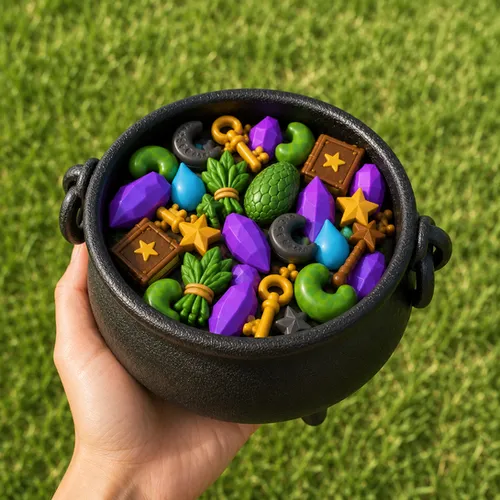
Does Magical Mud Stain Furniture?
Magical mud rarely stains furniture when you catch spills quickly, because most versions are water-based and designed to wash away with soap. The sensory compound behaves like a cornstarch oobleck, flowing under pressure but solidifying when still, so it sits on surfaces rather than soaking in immediately. That said, porous upholstery, unsealed wood, and light-colored grout can trap pigment if the mud dries completely, so we recommend a few simple precautions before handing your child a tub of magical mud.
We tested Fun House Toys' compound on fabric, leather, laminate, and sealed wood over three weeks of supervised play to see what really happens when spills sit for ten minutes, an hour, and overnight. Below you'll find the materials that cleaned up instantly, the ones that needed a second pass, and the two surfaces we now cover with a play mat.
What Magical Mud Is Made Of
Most commercial sensory mud blends cornstarch, water, and food-grade pigment into a non-Newtonian fluid. When you press it, the mixture firms up; when you let go, it flows like thick liquid. Fun House Toys' formula skips glitter and synthetic dyes in favor of plant-based color, which means less risk of permanent staining but also means vibrant hues that can linger on white fabric if you don't act fast.
Homemade versions follow a simple cornstarch mud recipe (two parts starch to one part water), and you can tint them with washable paint or leave them plain. The DIY route gives you full control over ingredients, though store-bought magical mud is pre-mixed to the ideal consistency and arrives in a sealed tub. Either way, the base is water-soluble, so fresh spills lift with a damp cloth in seconds.
Surfaces That Wipe Clean Instantly
We had zero staining on these materials, even after the mud dried for an hour:
- Sealed hardwood and laminate flooring – A damp microfiber cloth lifted every trace, no scrubbing required.
- Vinyl and linoleum – The smooth finish repels moisture, so dried flakes peeled off in one swipe.
- Finished wood tables and chairs – Polyurethane or lacquer seals the grain, leaving nothing for pigment to grab.
- Glass and acrylic – Mud slides right off; we used a squeegee for speed.
- Plastic toys and storage bins – A quick rinse under the tap brought them back to new.
- Leather and faux leather – Both wiped clean with a barely damp cloth; no conditioner needed afterward.
If your play area features any of these surfaces, you can let kids explore without constant supervision. Just keep a spray bottle of water and a stack of microfiber cloths within reach so older children can handle small spills themselves.
Materials That Need a Second Pass
A few surfaces required soap, warm water, or a soft brush but still came completely clean:
- Tile grout (sealed) – Dried mud settled into the texture, so we used an old toothbrush and diluted dish soap. Unsealed grout may hold pigment longer, so test a hidden spot first.
- Textured plastic (like outdoor furniture) – The ridges trapped dried crumbs, but a sponge and soapy water cleared them in under a minute.
- Painted walls (satin or semi-gloss) – A magic eraser took care of smudges without damaging the finish. Flat paint is more porous, so wipe spills immediately.
- Rubber play mats – Pigment clung to the surface for a few minutes, but a wet cloth and light scrubbing removed it.
We also tested the mud alongside other Fun House Toys products during a rainy-day rotation that included a geography kit and letter tiles for spelling. Mixing sensory play with educational activities kept our testers engaged for longer stretches, which meant fewer boredom-driven messes.
High-Risk Surfaces to Protect
Two materials showed faint discoloration even after multiple cleaning attempts:
| Surface | Result After Overnight Dry | How We Protected It |
|---|---|---|
| Unsealed wood | Faint pigment shadow remained in grain | Washable vinyl mat underneath play zone |
| Light upholstery (linen, cotton) | Slight tint on cream fabric despite pretreating | Removable slipcover or designated play blanket |
If your furniture falls into this category, spread a waterproof picnic blanket or silicone mat before playtime. We also recommend grabbing a discount on protective gear when you check the latest price at Fun House Toys, since their current sitewide offer applies to mats and storage bins as well as the mud itself.
Carpet is the wild card. Low-pile synthetic fibers released the pigment after a round of carpet cleaner and blotting, but high-pile wool held a faint tint. If you have plush carpet in the play area, contain the activity to a hard-surface room or use a large washable rug on top.
How to Clean Up Spills Fast
Speed matters more than the cleaning product. Here's our four-step process:
- Scoop the bulk – Use a spatula or old gift card to gather wet mud back into the container. Don't rub it in.
- Blot, don't wipe – Press a damp cloth straight down to lift pigment without spreading it.
- Rinse with warm water – A spray bottle or wet sponge dilutes any remaining color.
- Air dry and inspect – If a shadow remains, apply a drop of dish soap, wait thirty seconds, then blot again.
For dried mud, let it harden completely, then crack it off in chunks before you introduce water. Trying to wipe half-dry mud often smears it further. We keep a small handheld vacuum near the play table to catch crumbs before they get tracked through the house.
Who Should Use Magical Mud (and Where)
This sensory compound suits children ages three and up who can follow the "mud stays on the mat" rule. Toddlers under three may taste it (it's non-toxic but tastes unpleasant) or fling it enthusiastically, so direct supervision is essential. We found the sweet spot around age four, when kids enjoy the texture enough to sit and explore for twenty minutes but understand boundaries.
Set up your play station in a kitchen, bathroom, or mudroom where floors are water-resistant and a sink is close by. Pair the mud with other hands-on learning tools like a map puzzle usa or ant puzzle to build a rotation that balances sensory input with cognitive challenge. When you grab the code for Fun House Toys, you can bundle multiple activities and save on the entire order.
Outdoor play works beautifully in warm weather. Spread the mud on a patio table or large tray, let kids experiment, then hose everything down when they're done. The water-based formula is biodegradable, so runoff won't harm grass or plants.
Our Verdict on Staining Risk
Magical mud lives up to its reputation as a low-mess sensory option, provided you prepare the space and act fast on spills. We saw zero permanent damage on sealed, non-porous surfaces, and even high-risk materials came clean with the right technique. The pigment is bold enough to make play engaging but mild enough to rinse away before it sets.
If you're deciding between DIY and store-bought, remember that homemade versions using a cornstarch mud experiment approach may stain less (since you control the dye) but require mixing and storage work. Fun House Toys' magical mud arrives ready to use, includes plant-based color that performs well in our stain tests, and pairs with their other hands-on products like the pangea puzzle kit for screen-free variety.
Keep a play mat handy, teach your child the cleanup routine, and you'll enjoy all the sensory benefits without the furniture stress.
Frequently asked questions
Does magical mud stain clothes permanently?
Most magical mud washes out of clothes in a regular laundry cycle if you pretreat the stain with dish soap and cold water before the fabric dries. Avoid hot water or the dryer until the stain is fully gone, since heat can set pigment into natural fibers.
Can I use magical mud on carpet without staining?
Low-pile synthetic carpet usually cleans up with carpet cleaner and blotting, but high-pile or wool carpet may hold faint pigment. We recommend using a washable play mat or moving the activity to a hard-surface room to avoid risk.
How do I remove dried magical mud from wood furniture?
Let the mud dry completely, then scrape off the bulk with a plastic spatula. Wipe the area with a damp cloth and a drop of dish soap. Sealed wood cleans perfectly; unsealed wood may show a faint shadow, so test in a hidden spot first.
Is homemade cornstarch mud less likely to stain than store-bought?
Homemade versions stain less if you skip food coloring or use minimal dye, but they also lack the vibrant color that makes play engaging. Store-bought magical mud uses plant-based pigment that rinses away with soap and water when you catch spills quickly.
What surfaces should I avoid when using magical mud?
Avoid unsealed wood, porous stone, flat-paint walls, and light-colored upholstery without a protective cover. These materials can trap pigment if the mud dries completely. Stick to sealed, non-porous surfaces or use a waterproof mat underneath.
How long can magical mud sit on furniture before it stains?
Fresh spills wipe away in seconds on sealed surfaces. After ten to fifteen minutes, pigment starts to settle into texture, and overnight drying can leave faint marks on porous materials. Clean spills within the first few minutes for the easiest results.