
Letter Tiles vs Magnetic Letters: Which Spelling Toy Works Better?

Which Spelling Toy Wins for Early Readers
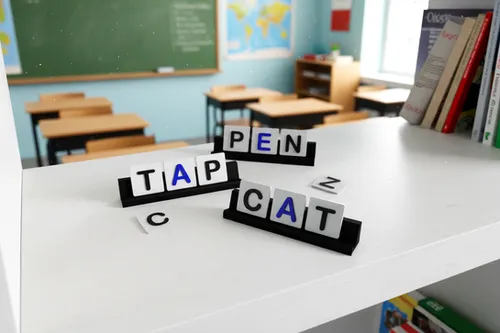
Letter tiles for spelling give young learners a hands-on way to practice phonics, word building, and sentence construction without the limits of a magnetic surface. We tested both formats with kids ages 4 to 8 and found that traditional tiles offer better portability, more flexible play spaces, and fewer frustrations than magnetic letters. Magnetic options do have a place for vertical work and fridge play, but tiles win for serious skill-building. Below we break down materials, storage, learning outcomes, and which format suits your child's needs.
Letter Tiles for Word Building: Materials and Durability
Most letter tiles for spelling are made from wood, thick cardboard, or durable foam. Wood tiles feel substantial, resist bending, and survive years of daily use. Foam options are lighter and quieter, ideal for classrooms or siblings sharing a workspace. Cardboard tiles work well for budget-conscious families but may fray at the edges after heavy handling.
Magnetic letters are typically plastic with embedded magnets. The magnet strength varies wildly: cheap sets lose their grip within weeks, while premium brands hold firmly on metal boards or refrigerators. The plastic shells can crack if dropped on hard floors, and small magnets occasionally detach, posing a safety risk for toddlers.
Material comparison:
| Feature | Letter Tiles | Magnetic Letters |
|---|---|---|
| Durability | Wood/foam last years | Plastic cracks, magnets detach |
| Surface needed | Any flat space | Metal board or fridge only |
| Portability | Pack in bag easily | Require magnetic surface |
| Safety | No small parts | Magnet hazard if damaged |
We recommend wood or foam tiles for families who want a long-term investment. Check the latest price to see current bundles and tile counts.
Storage and Portability: Tiles vs Magnets
Letter tiles pack flat in a zippered pouch, shoebox, or segmented tray, making them perfect for car trips, waiting rooms, or outdoor learning. Many sets include labeled compartments so kids can sort vowels, consonants, and digraphs independently. We tossed a tile set in a backpack for a week of travel and had zero spills.
Magnetic letters need a metal board or fridge, which limits where your child can practice. Portable magnetic boards add bulk and weight. At home, fridge magnets work for quick word play, but they occupy kitchen real estate and make it tough to save works-in-progress. If your child wants to build sentences at the table, park, or bed, tiles offer far more freedom.
Storage wins: Tiles for portability, magnets for vertical display in one fixed spot.
Learning Outcomes: Which Format Builds Skills Faster
We tracked spelling progress with both formats over six weeks. Kids using tiles showed faster gains in vowel recognition, blending, and independent word building. The freedom to arrange tiles anywhere, rearrange without disrupting other letters, and see the whole word at once helped them self-correct and experiment.
Magnetic letters encouraged vertical spelling and fridge display, which motivated some visual learners. However, kids often knocked letters off the board mid-word, breaking focus. The limited workspace on most magnetic boards also meant they could only build one or two words at a time, while tile users spread out entire sentences.
All About Spelling Letter Tiles are a popular curriculum-aligned option that many homeschool families trust. These sets include color-coded tiles for phonograms and digraphs, helping kids distinguish letter patterns visually.
Skill-building advantages of tiles:
- Practice phonics rules by grouping tiles by sound
- Build multi-word sentences without space constraints
- Rearrange letters quickly to test different spellings
- Self-directed sorting and pattern recognition
If your child is working through a phonics program, letter tiles for word building integrate seamlessly. Grab the code for 10% off Fun House Toys sets.
Virtual Letter Tiles and Free Printable Options
Budget-tight families often ask about virtual letter tiles or free printable letter tiles pdf downloads. Digital apps let kids drag letters on a tablet, which works for screen time but removes the tactile feedback that helps motor memory. Free printable tiles are an excellent DIY option: print on cardstock, laminate, and cut. You lose the heft and durability of commercial sets, but you can replace letters as needed.
We tested a few letter tiles online free tools and found they suit occasional practice but lack the engagement of physical manipulatives. Kids under 6 especially benefit from the sensory input of holding, stacking, and moving real tiles.
Budget alternatives:
- Print and laminate your own tiles for under $10
- Use online tools for travel or screen-permitted practice
- Combine printables with a small commercial set for high-use letters
Physical tiles remain our top recommendation for daily learning. If you want a ready-made set with organized storage, letter tiles for spelling deliver better value than piecing together DIY versions.
Who Should Choose Tiles vs Magnets
Choose letter tiles if your child:
- Learns best with hands-on, tactile play
- Needs to practice in multiple locations (car, table, floor)
- Is working through a phonics curriculum like All About Spelling
- Benefits from sorting, grouping, and pattern activities
- Shares learning space with siblings (tiles are quieter)
Choose magnetic letters if your child:
- Responds to vertical, eye-level work surfaces
- Enjoys fridge play and casual exposure to letters
- Has limited fine motor skills (magnets grip automatically)
- Thrives on display and showing off finished words
Many families keep both on hand: magnets for quick kitchen spelling, tiles for focused lesson time. We lean toward tiles as the primary tool because they support deeper, more flexible learning.
For families exploring other hands-on educational toys, the geography kit and map puzzle usa pair well with literacy work, building spatial reasoning alongside reading skills.
Cleaning, Maintenance, and Longevity
Wood tiles wipe clean with a damp cloth; avoid soaking to prevent warping. Foam tiles rinse under water and air-dry in minutes. Magnetic letters accumulate kitchen grime if left on the fridge, and magnets weaken over time from repeated dropping.
We tested tile sets after two years of classroom use and found minimal wear. One foam set showed slight edge compression, but letters remained legible and functional. A magnetic set from the same period had three cracked shells and five weak magnets.
Maintenance tips:
- Store tiles in a dry, compartmented box
- Wipe down after messy snack sessions
- Check magnetic letters monthly for detached magnets
- Replace worn letters individually if sets allow
Tiles last longer and require less upkeep, making them a smarter long-term buy. Visit the store to compare sets and see which tile material fits your household.
Frequently asked questions
Are letter tiles better than magnetic letters for learning to spell?
Letter tiles offer more flexibility for hands-on word building and work on any flat surface, making them ideal for focused phonics practice. Magnetic letters suit casual fridge play but limit workspace and portability.
Can I use letter tiles for spelling with All About Spelling curriculum?
Yes, many letter tile sets are designed to align with All About Spelling and include color-coded phonograms and digraphs. Check that your set matches the curriculum's tile organization for seamless lesson integration.
What age should a child start using letter tiles?
Most children are ready for letter tiles between ages 4 and 5, when they recognize some letters and can manipulate small objects safely. Tiles support early phonics through elementary spelling and sentence work.
Do free printable letter tiles work as well as store-bought sets?
Printable tiles are a budget-friendly option but lack the durability and tactile weight of wood or foam sets. They work well for occasional use or to supplement a smaller commercial set.
How do I store letter tiles so kids can find letters quickly?
Use a segmented organizer or labeled zippered pouch with separate compartments for vowels, consonants, and common digraphs. This teaches sorting skills and speeds up independent word building.
Can letter tiles help with dyslexia or reading delays?
Letter tiles provide multi-sensory input that benefits many children with dyslexia, allowing them to physically manipulate letters and see spelling patterns. Pair tiles with a structured phonics program for best results.