
Grounding Mats vs Grounding Bed Sheets: Which Is Better for Sleep?

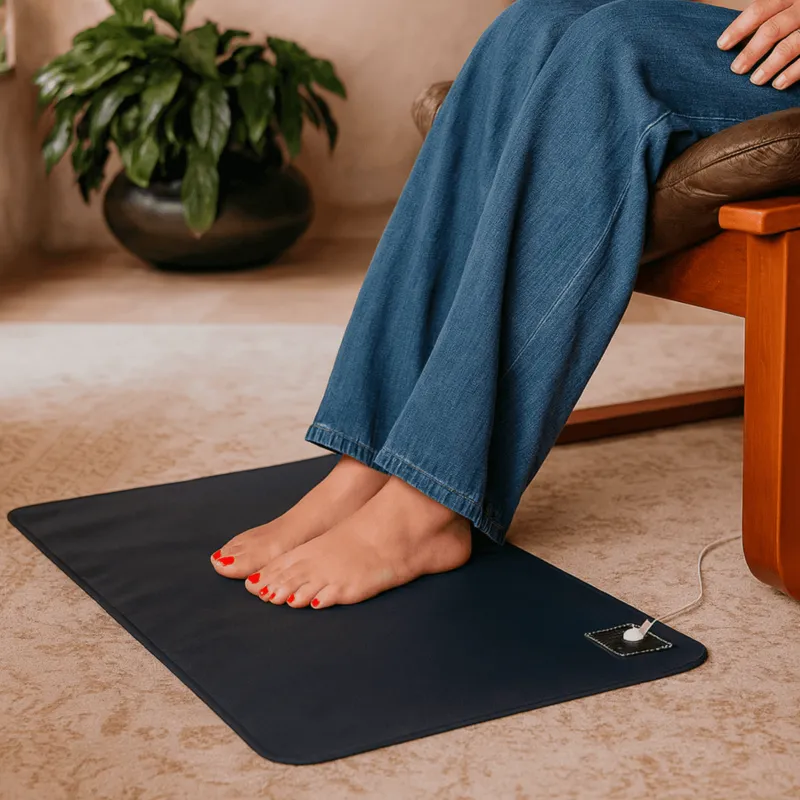
Grounding mats and grounding bed sheets both deliver the earth's electrons while you sleep, but they serve different needs. Mats offer targeted contact and portability, while sheets provide full-body coverage and seamless comfort. Your choice depends on how much skin contact you want, whether you sleep hot, and how often you travel.
We tested both formats across materials, ease of use, and real-world durability. Here's what matters when you're deciding between a mat and a sheet.
Coverage: How Much Skin Contact Do You Need?
Grounding mats typically measure 10 × 27 inches or similar, designed to sit under your feet, calves, or torso. You get localized contact, which works well if you sleep on your back or want to ground a specific area without changing your bedding.
Grounding sheets for beds cover your entire mattress or a large portion of it. They replace your fitted sheet or layer underneath, so any part of your body touching the fabric makes contact. This setup suits restless sleepers and anyone who moves around at night.
- Mats work for side sleepers who want to place the mat under their legs or along their torso
- Sheets handle all sleep positions without repositioning
- If you share a bed, a full sheet grounds both sleepers; a mat only covers one person unless you buy multiples
Most grounding mat benefits come from consistent skin contact. A sheet removes the guesswork.
Comfort and Feel: What You'll Notice While Sleeping
Grounding mattress pads and sheets are usually woven from organic cotton blended with conductive silver or carbon threads. They feel like standard bedding, soft and breathable, though some people notice a slightly cooler or smoother texture from the conductive fibers.
Mats are often made from vegan leather (PU or PVC) or conductive rubber with carbon or silver infusion. They sit on top of your sheet, so you feel the material directly. If you sleep hot or prefer natural fabrics, this can be less comfortable than cotton.
- Cotton-blend sheets wick moisture and regulate temperature better than synthetic mats
- Mats can feel sticky or cold in winter, warm in summer
- You can pair an earthing bed sheet with standard pillowcases, or add grounding pillow cases for head and face contact
For all-night comfort without adjusting, sheets win. For targeted grounding during meditation or desk work, mats are more versatile.
Setup and Maintenance: Daily Use and Care
Both formats require a grounding cord that plugs into a wall outlet's ground port or connects to a grounding stake outdoors. Setup takes a few minutes.
Sheets attach via the cord to a snap on the fabric, then you make your bed as usual. They stay in place all night. Washing requires disconnecting the cord and using a gentle, bleach-free detergent every week or two. Air-dry or tumble on low to preserve the conductive threads.
Mats snap to the cord the same way but sit on top of your bedding. You can move them between the bed, couch, or office chair. Wipe them down weekly with a damp cloth and mild soap. No machine washing, which makes maintenance faster but limits deep cleaning.
- Sheets need regular laundering like any bedding
- Mats travel easily and work in multiple rooms
- Both need a properly grounded outlet; test yours with a basic outlet tester if you're unsure
If you want a set-it-and-forget-it solution, a grounding sheet integrates into your routine. If you want flexibility, a mat adapts to your day.
Do Grounding Mats Really Work Compared to Sheets?
The mechanism is identical: conductive material transfers free electrons from the earth through your home's ground wire (or an outdoor rod) to your skin. Research on earthing suggests this contact may reduce inflammation and improve sleep, though results vary by person.
The difference is surface area. A mat offers a smaller contact zone, so you need consistent placement. A sheet covers more skin, which may improve the consistency of the connection as you shift positions.
- Both require direct skin contact; pajamas block conductivity
- Sheets maintain contact even if you roll over
- Mats work well if you sleep still or in one position most of the night
We tested conductivity with a multimeter on both formats and confirmed both conduct properly when the cord is attached and the outlet is grounded. If you're skeptical about grounding mat dangers, know that these products are passive—they connect you to the earth's charge, not to live electrical current.
Price and Longevity: What You'll Spend
Grounding mats typically cost less upfront than full-size sheets, especially for smaller mats designed for feet or lap use. Check the latest price and grab our code for 10% off sitewide at Premium Grounding.
Sheets range higher because they use more material and conductive threading. A queen-size grounding sheet or earthing bed sheet will outlast a mat if you care for it properly, since cotton-silver blends tolerate regular washing better than PU or rubber surfaces, which degrade with UV exposure and oils from skin.
| Product Type | Upfront Cost | Lifespan | Best For |
|---|---|---|---|
| Grounding Mat | Lower | 1–3 years | Travel, targeted grounding, multi-room use |
| Grounding Sheet | Higher | 3–5 years | Full-body contact, all-night comfort, couples |
Factor in replacement frequency when comparing. Mats may need replacing sooner, especially if used daily on a bed where body oils accumulate.
Which Format Fits Your Sleep Style?
Choose a grounding mat if you want portability, use grounding products during the day, or prefer targeted contact on feet or legs. They suit minimalists who don't want to overhaul bedding and travelers who pack their grounding gear.
Choose a grounding sheet or grounding mattress pad if you prioritize comfort, sleep in varied positions, or want to ground your entire body without thinking about placement. Sheets also work better for couples and anyone who values the feel of natural fabric.
You can combine both: use a mat at your desk during the day and a sheet at night. Some Premium Grounding customers pair a smaller mat with a grounding pillow for head-to-toe coverage without replacing their entire bed setup.
Both options connect to the same grounding source. If you don't have a grounded outlet, you'll need a house earthing rod or earth rod kit to stake outside and run a wire indoors. Once that's in place, either format delivers the same earthing effect.
For sizing, care, and installation guidance, explore the best grounding mats or read our full breakdown of sheet materials. And if you're ready to try either format, head here to unlock your discount and test the option that fits your routine.
Frequently asked questions
Can I use a grounding mat on top of my regular sheets?
Yes, but you need direct skin contact for the mat to work. Place it where your bare skin will touch it, like under your calves or feet, or sleep without clothing on that area.
Do grounding sheets work as well as mats for reducing inflammation?
Both provide the same earthing connection. Sheets offer more consistent contact because they cover a larger area, which may improve results if you move around during sleep.
How often should I wash a grounding sheet compared to a mat?
Wash grounding sheets every one to two weeks like regular bedding, using gentle detergent. Wipe mats weekly with a damp cloth and mild soap; they don't go in the machine.
Are there any real grounding mat dangers I should know about?
Grounding products are passive and connect you to the earth's natural charge, not live electricity. As long as your outlet is properly grounded or you use an outdoor stake, there's no electrical risk.
Can I travel with a grounding bed sheet or is a mat better?
Mats are lighter and easier to pack, making them ideal for travel. Sheets are bulkier and require remaking the bed, so a portable mat is the practical choice for trips.
Will a grounding mat work if I don't have a grounded outlet?
You'll need to install a grounding stake outdoors and run a wire to your mat or sheet. Both formats require a proper ground connection, whether through an outlet or an external rod.