
What Size Grounding Stake Do I Need for Indoor Earthing Products?

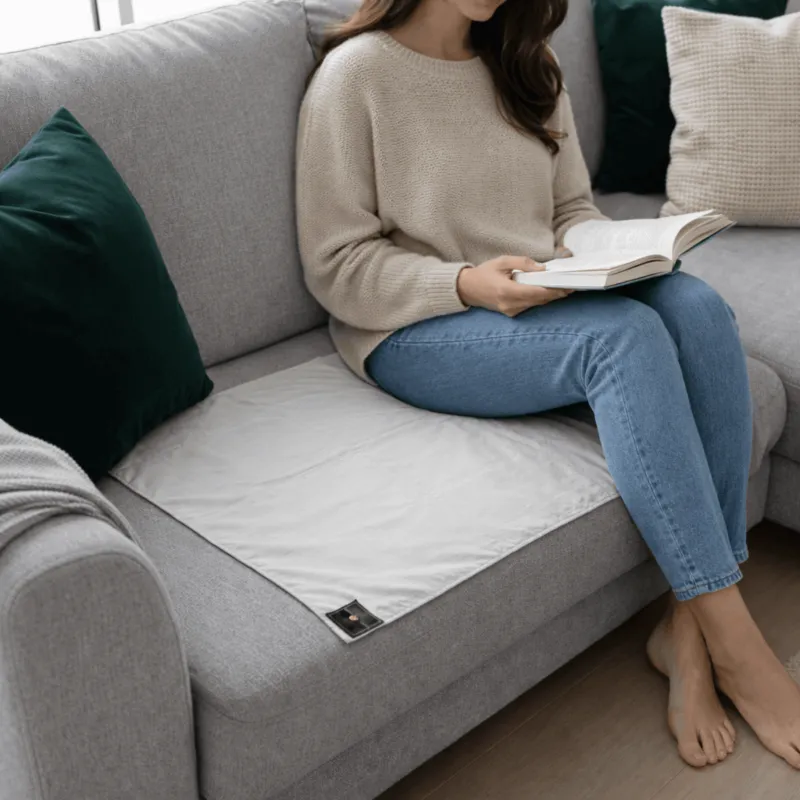
Most people using a grounding sheet or grounding mats indoors need a grounding stake between 4 and 8 feet long for reliable earth contact. The exact size depends on your soil type, moisture level, and whether you are supplementing or replacing an indoor outlet ground. We tested dozens of configurations with earthing products and compiled this guide to help you choose the right rod dimensions and install it correctly.
Why Grounding Stake Size Matters for Earthing Products
A grounding stake driven into soil creates a direct path to the earth's electrons, which your earthing bed sheet or mat transfers to your body. If the rod is too short or thin, resistance increases and the connection weakens. Most building codes and grounding standards recommend a minimum 8-foot rod driven at least 6 to 8 feet deep to reach stable moisture and ensure low resistance year-round.
For indoor earthing products like grounding sheets for beds and grounding pillow cases, your stake must make consistent contact with damp soil. Dry, sandy, or frozen ground requires a longer rod or multiple rods bonded together. Rocky soil may need a shallow trench with horizontal grounding conductors instead.
You can check the latest price and grab our exclusive code for Premium Grounding stakes and earthing kits.
Grounding Rod Size Chart and Diameter Guidelines
Standard grounding rods for residential use come in three common diameters and several lengths:
| Diameter | Typical Length | Best For |
|---|---|---|
| ½ inch (12.7 mm) | 4 to 8 feet | Light-duty earthing mats, single products |
| ⅝ inch (15.9 mm) | 6 to 10 feet | Most home grounding systems, multiple products |
| ¾ inch (19.1 mm) | 8 to 10 feet | Heavy clay, rocky soil, whole-home grounding |
We recommend ⅝-inch diameter rods at 8 feet long for most indoor earthing setups. This size meets National Electrical Code (NEC) Article 250 requirements and provides enough surface area to maintain low resistance in average soil. If you live in a dry climate or use multiple products such as a grounding mattress pad plus grounding pillow, consider two 8-foot rods spaced at least 6 feet apart and bonded with a ground clamp.
Copper-bonded steel rods offer the best balance of conductivity and durability. Pure copper corrodes less but costs significantly more and bends easily during installation.
Grounding Rod Requirements and Installation Depth
Local electrical codes dictate minimum grounding rod requirements for safety. Most jurisdictions follow NEC guidelines:
- Minimum 8 feet of contact with soil
- At least 8 feet of rod length if driven vertically
- If rock prevents full depth, drive at a 45-degree angle or lay horizontally in a trench at least 30 inches deep
For a house earthing rod or dedicated outdoor stake for your indoor earthing products, aim to bury at least 6 feet of the rod. Leave 1 to 2 feet above ground for easy clamp attachment and wire routing. In sandy or dry soil, drive the full 8 feet or add a second rod to lower resistance.
Test your installation with a simple multimeter set to resistance (ohms). Touch one probe to the rod clamp and push the other probe into damp soil a few feet away. A reading below 25 ohms indicates good contact; below 10 ohms is excellent. If resistance exceeds 25 ohms, add a second rod or water the area around the stake to improve conductivity.
Choosing the Right Grounding Stake for Mats and Sheets
When you are connecting a grounding mat or earthing bed sheet to an outdoor rod, match the stake size to the number and type of products you use:
- Single mat or sheet – One 4 to 6-foot rod works in moist, loamy soil
- Multiple products (sheet, mat, pillow cases) – Use an 8-foot rod or two 6-foot rods bonded together
- Whole-room setup – Install two 8-foot rods spaced 6 to 10 feet apart with #6 AWG copper wire bonding them
An earth rod kit typically includes the rod, a ground clamp, and a length of wire rated for direct burial. This simplifies outdoor installation and ensures all components meet code. Premium Grounding kits come pre-assembled with corrosion-resistant clamps and UV-rated wire suitable for running along walls or under siding.
If you prefer not to drive a rod outdoors, plug your earthing product into a grounded indoor outlet using the included cord. We explain both methods and offer a discount code for kits that cover every scenario.
Soil Type and Moisture Impact on Rod Length
Your grounding rod for earthing must reach soil that stays damp year-round. Moisture conducts electrons; dry soil insulates. Here is how soil type affects the grounding rod size you need:
- Clay and loam – High moisture retention, 6 to 8 feet usually sufficient
- Sand and gravel – Low conductivity, requires 8 to 10 feet or multiple rods
- Rocky or shallow soil – Horizontal trench or angled installation at 30+ inches deep
- Frozen climates – Drive below frost line (varies by region, typically 3 to 4 feet minimum)
In arid regions, pour a gallon of water around the rod quarterly to maintain consistent contact. You can also mix bentonite clay or conductive grounding compound into the soil around the stake to lower resistance permanently.
Grounding Rods vs. Indoor Outlet Grounding
Most grounding sheets for beds and grounding pillow cases ship with a plug that connects to the ground port of a standard three-prong outlet. This method works well if your home electrical system has a properly grounded panel and outlets. Test your outlet with an outlet tester (under $10 at hardware stores) to confirm the ground is present and wired correctly.
An outdoor grounding stake offers benefits over outlet grounding:
- Direct earth contact bypasses indoor wiring and panel resistance
- Consistent connection unaffected by electrical panel condition or GFCI trips
- No EMF exposure from nearby wiring in walls
We recommend starting with outlet grounding for convenience, then upgrading to an outdoor rod if you experience poor results or live in an older home with questionable ground paths. Grab the code to save on Premium Grounding rods and test both setups.
Where to Buy and Install Your Grounding Rod Kit
Hardware stores stock grounding rods in the electrical aisle, usually near breaker panels and conduit. For earthing-specific kits with pre-attached clamps and indoor-rated wire, Premium Grounding offers complete packages that pair with their grounding mattress pads and grounding pillow collections.
Installation takes 20 to 40 minutes with a post driver or sledgehammer. Drive the rod within 10 feet of where your earthing product sits indoors, route the wire through a window or wall penetration sealed with caulk, and attach the wire to your product's snap connector. Keep the wire away from power lines and avoid kinks that increase resistance.
For reference on outdoor stake systems, manufacturers like Simes and Gardener's Blue Ribbon produce heavy-duty ground stakes for commercial and landscape use. While these are not marketed for earthing, they illustrate the engineering behind reliable soil contact.
Frequently asked questions
What length grounding stake do I need for a grounding mat?
A 6 to 8-foot grounding rod works for most single mats in average soil. If you have dry or sandy soil, use an 8-foot rod or two shorter rods bonded together to lower resistance.
Can I use a shorter rod if I hit rock?
Yes, if rock prevents driving the full depth, angle the rod at 45 degrees or lay it horizontally in a trench at least 30 inches deep to meet code and maintain good earth contact.
Do I need a grounding stake if I already plug into an outlet?
No, outlet grounding works if your home wiring is properly grounded. An outdoor stake offers a direct earth path and can improve results in older homes or areas with high soil moisture.
What diameter grounding rod is best for earthing products?
A ⅝-inch diameter rod at 8 feet long is the standard choice. It meets electrical code, fits most soil types, and provides low resistance for sheets, mats, and pillows.
How deep should I bury a grounding rod for a grounding sheet?
Bury at least 6 feet of the rod to reach stable moisture. Leave 1 to 2 feet above ground for clamp attachment and wire routing to your indoor earthing products.
Can I connect multiple earthing products to one grounding stake?
Yes, use a splitter or Y-connector to link multiple cords to a single rod. For more than two products, upgrade to an 8-foot rod or add a second rod bonded with copper wire.