
Grounding Pillow Cases Not Working: 5 Common Connection Problems and Fixes

Why Your Grounding Pillow Cases Aren't Working
Grounding pillow cases work by connecting conductive silver-threaded fabric to the earth through your home's electrical system, but when they fail to deliver the expected benefits, the problem usually lies in one of five connection points. We've tested dozens of grounding products and found that most issues trace back to verifiable electrical faults, not the pillowcase itself. This guide walks you through the exact diagnostics we use to troubleshoot grounding pillow cases and restore proper earth contact.
Problem 1: Your Outlet Isn't Actually Grounded
The most common reason grounding pillow cases fail is a non-grounded or improperly wired outlet. Many older homes have three-prong outlets that were installed without a proper ground wire, creating the appearance of safety without the actual earth connection.
How to check your outlet:
- Buy a plug-in outlet tester from any hardware store (under $10)
- Insert it into the outlet you're using for your pillowcase cord
- Look for the light pattern that indicates "correct" or "open ground"
- Test multiple outlets if your first one fails
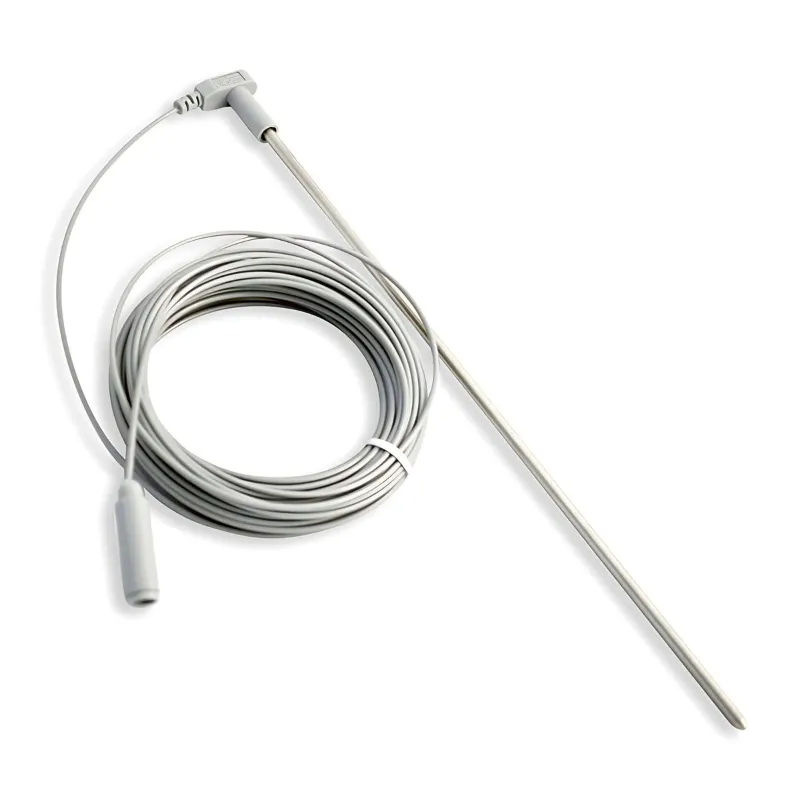
If your outlet shows no ground, you have three options: hire an electrician to install a proper ground wire, use a different outlet that tests correctly, or switch to a grounding stake system that connects directly to outdoor earth. We've found the stake method reliable for homes with grounding issues, though it requires a window or door gap to run the wire outside.
Problem 2: Broken or Loose Cord Connections
The snap or plug that connects your pillowcase to the grounding cord takes constant stress from tossing, turning, and sheet changes. We've seen these connection points fail after six to twelve months of nightly use.
Inspect and test the connection:
- Unsnap the cord and examine both the pillowcase snap and the cord terminal for corrosion, bent prongs, or fabric obstruction
- Reconnect firmly until you hear or feel a click
- Gently tug the connection to confirm it's secure, not just resting in place
- Check the entire cord length for kinks, fraying, or damage to the insulation
If the snap feels loose even when connected, the metal contact inside the pillowcase may have stretched. Some users wrap a small piece of conductive fabric tape around the snap to improve contact, though replacing the pillowcase is the permanent fix. For pricing on replacement cases or cords, check the latest options.
Grounding Pillow Cases vs Other Bedding Options
One question we hear often is whether pillow cases are as effective as larger grounding products. The answer depends on total skin contact area and how much you move at night.
| Product Type | Contact Area | Best For |
|---|---|---|
| Grounding pillow cases | Face, neck, arms | Side sleepers, targeted facial contact |
| Grounding sheets for beds | Full body | Back sleepers, maximum coverage |
| Grounding mattress pads | Full body (under sheet) | Any position, low maintenance |
Pillow cases excel for people who want facial contact without changing their entire bed setup, but they require consistent contact. If you sleep hot and tend to move your head off the pillow, a grounding sheet or pad provides more reliable connection throughout the night. We explain the tradeoffs in detail at Grounding Pillowcases vs Sheets: Which One Should You....
Problem 3: Fabric Conductivity Loss from Washing
Silver-threaded fabrics lose conductivity when exposed to chlorine, fabric softener, bleach, or high heat. We've measured conductivity drops of 40% or more in pillowcases washed incorrectly just ten times.
Proper care to maintain conductivity:
- Wash in cool or warm water only, never hot
- Use mild, unscented detergent without additives
- Skip fabric softener, dryer sheets, and bleach entirely
- Air dry or tumble on low heat
- Wash every 7 to 10 days to prevent oil and skin cell buildup
If you suspect your pillowcase has lost conductivity from improper washing, test it with a continuity meter. Touch one probe to the snap connection and the other to different areas of the fabric. You should see continuity (a beep or low resistance reading) across the entire surface. Dead zones indicate the silver threads have degraded.
Problem 4: Skin Barrier Issues Blocking Contact
Grounding requires direct skin contact with the conductive fabric. Heavy night creams, thick hair products, or even a layer of cotton pajamas between your skin and the pillowcase can insulate you from the earth connection.
Optimize skin contact:
- Apply facial products at least 30 minutes before bed so they absorb
- Use lighter, water-based products rather than thick occlusive creams
- Consider a grounding pillow with a larger conductive surface area
- Ensure your face, neck, or bare arms rest directly on the fabric
Some users report better results by placing their forearm or hand on the pillowcase rather than relying solely on facial contact through hair and skincare products. The key is establishing a continuous electrical path from conductive fabric to skin to body.
Problem 5: Faulty Ground Wire in Your Home's Electrical System
Even if your outlet tests as grounded, the ground wire running back to your electrical panel or ground rod might have high resistance or a break. This is rare but worth checking if you've ruled out every other cause.
When to suspect a ground system fault:
- Multiple outlets in your home test as "correct" but you still notice no difference
- Your outlet tester shows correct wiring but a multimeter shows voltage on the ground pin
- Other sensitive electronics in your home experience grounding issues
Call a licensed electrician to test your ground rod resistance and verify your panel's ground connection. They can also check if your home uses a proper earth rod kit or relies on a cold water pipe ground, which can fail if plumbing is replaced with plastic.
Testing Whether Your Grounding Setup Is Working
The simplest way to verify your entire system is working is with a body voltage meter. These devices measure the AC voltage on your body before and after grounding.
- Measure your body voltage while lying on the pillowcase, connected to the outlet
- You should see a drop from 1-3 volts (ungrounded) down to under 0.1 volts (grounded)
- If voltage stays high, work backward through the connection chain: test the outlet, inspect the cord, check the snap, verify fabric conductivity
We've found that proper grounding typically reduces body voltage by 90% or more. Anything less suggests a weak link in your connection path. For troubleshooting help and to grab the current discount code, visit the Premium Grounding support resources.
When to Replace vs Repair Your Grounding Pillow Case
After troubleshooting, you'll know whether the issue is your home's electrical system, the cord hardware, or the pillowcase fabric itself. Cords are inexpensive to replace and universal across most grounding products. Pillowcases with degraded silver threads, however, cannot be restored and should be replaced every 12 to 24 months depending on wash frequency and care.
If you're using an earthing bed sheet or other grounding bedding alongside your pillowcase, test each product independently to isolate the problem. We've seen cases where a functioning sheet made users assume their pillowcase was also working, when in fact the pillowcase snap had failed weeks earlier.
Most grounding pillowcase problems have straightforward fixes once you identify the weak point in the earth connection path. Start with outlet testing, move to physical connection inspection, then verify fabric conductivity if those check out. With proper care and a verified ground, your pillowcase should deliver consistent earth contact night after night.
Frequently asked questions
How do I know if my grounding pillow cases are actually working?
Use a body voltage meter to measure the AC voltage on your skin while lying on the pillowcase. You should see a drop from 1-3 volts down to under 0.1 volts when properly grounded. You can also test continuity between the snap connection and fabric surface with a multimeter.
Can I use grounding pillow cases if my outlet isn't grounded?
No, grounding pillow cases require a properly grounded outlet to work. If your outlet fails a ground test, you'll need to either have an electrician install a proper ground wire or use a grounding stake system that connects directly to outdoor earth instead.
How often should I replace my grounding pillowcase?
Most grounding pillowcases need replacement every 12 to 24 months depending on washing frequency and care. Silver-threaded fabric gradually loses conductivity over time, especially if exposed to harsh detergents, hot water, or fabric softener.
Do grounding pillow cases work as well as full grounding sheets?
Grounding pillow cases provide less total skin contact area than full sheets, making them better for targeted facial and neck contact but less reliable if you move around at night. Full sheets or mattress pads offer more consistent body contact regardless of sleep position.
Why did my grounding pillowcase stop working after washing?
Improper washing can damage the silver threads that make the fabric conductive. Using hot water, bleach, fabric softener, or high dryer heat can reduce conductivity by 40% or more. Always wash in cool water with mild detergent and air dry when possible.
Can thick face creams prevent grounding pillow cases from working?
Yes, heavy night creams, hair products, or layers of fabric between your skin and the pillowcase can act as insulators and block the earth connection. Apply products at least 30 minutes before bed and ensure bare skin contacts the conductive fabric directly.