
Handmade Acetate Comb vs Beard Brush: Which Tool Is Better for Daily Beard Care?

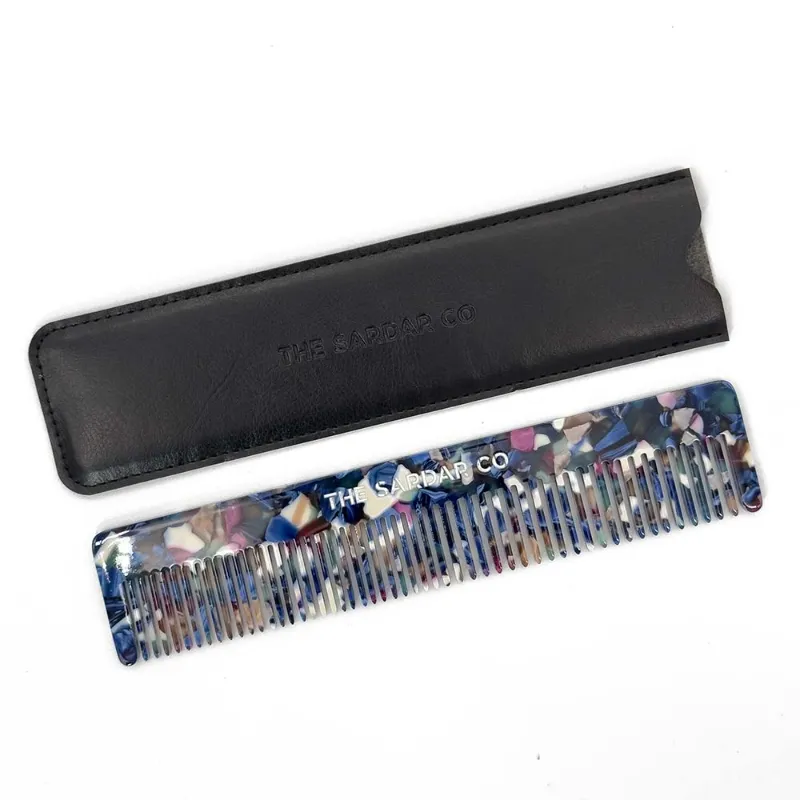
The Handmade Acetate Comb is the better daily tool for detangling, shaping, and distributing product through most medium to long beards, while a beard brush is better for training short growth and smoothing the surface. If you use The Sardar Co’s beard oil, Coffee & Walnut Beard Balm, or Tea Tree Beard Growth Oil, the best routine is often comb first for control, then brush for finish.
A comb and brush do different jobs. Choosing one depends on beard length, texture, styling goal, and whether you are applying oil, balm, or using a beard straightener.
Handmade Acetate Comb: What It Does Best
A good acetate comb is built for precision. It separates strands, works through knots, creates a cleaner shape, and helps spread oil or balm from root to tip without flattening the beard into one block.
For daily beard care, the Handmade Acetate Comb makes the most sense if you have:
- Medium or long beard length
- Wavy, curly, or thick growth that tangles
- A defined neckline, cheek line, or moustache shape
- Balm or oil in your routine
- A need to style before going out
Acetate matters because it is smoother than many cheap molded plastic combs. The material is commonly used for premium combs and eyewear because it can be cut, polished, and finished cleanly. If you want background on how acetate combs are typically produced, this acetate comb manufacturer overview is useful for understanding the material and finishing process.
The practical benefit is simple: fewer rough edges, less snagging, and better control. That does not mean every acetate comb is equal, but it explains why a handmade, polished option can feel noticeably different from a bargain pocket comb.
When a Beard Brush Is the Better Pick
A beard brush is best when your goal is surface control rather than deep detangling. It helps guide hairs in one direction, tame flyaways, and spread natural oils across the outer beard.
Choose a brush first if your beard is:
- Short to medium length
- Fairly straight or only mildly wavy
- Prone to looking fluffy or uneven on the surface
- In the early growth stage
- More about grooming than shaping
A brush is also useful after applying beard oil, especially if your beard is short enough that a comb feels unnecessary. The bristles can help move oil from the skin outward, which is helpful because beard comfort often depends on the skin underneath, not only the hair you see.
Where a brush struggles is inside a denser beard. It may glide over the top while knots remain underneath. That is where a comb becomes the more functional daily tool.
Comb vs Brush for Oil, Balm, and Styling Products
The tool you choose should match the product you are applying. Oil, balm, and straightening all behave differently in a beard.
| Routine step | Better tool | Why it works |
|---|---|---|
| Applying beard oil | Comb or brush | Comb distributes through length, brush helps reach short growth and skin |
| Applying Coffee & Walnut Beard Balm | Comb | Helps spread thicker balm and shape the beard evenly |
| Taming surface flyaways | Brush | Smooths the outer layer quickly |
| Detangling after sleep | Comb | Separates knots without forcing the whole beard flat |
| Prepping for a beard straightener | Comb | Sections hair and keeps the pass more controlled |
For oil, start with a few drops in your palms, work it into the skin under the beard, then use the comb or brush depending on length. With a balm like Coffee & Walnut Beard Balm, warm it between your hands first, apply it evenly, then comb through for distribution and shape.
Tea Tree Beard Growth Oil is still an oil, so do not treat it like a styling gel. Massage it into the skin, then use the right tool to move it through the beard. If you use vanilla beard balm for a softer finish, a comb can help prevent clumps and uneven shine.
If you are checking current product pricing or want to use the sitewide offer, grab the code before you buy.
Sizing, Teeth, and Beard Length
The right tool is not only “comb or brush.” Size and spacing matter.
A wider-tooth comb is usually better for thick beards because it moves through hair without pulling hard. Finer teeth are better for moustache work, short edges, and final shaping. A brush does not give the same line-by-line control, but it is faster for a short beard when you just want to look tidy.
Use this quick guide:
| Beard type | Best daily tool | Add-on tool |
|---|---|---|
| Stubble to short beard | Beard brush | Oil for skin comfort |
| Medium beard | Comb | Brush for surface polish |
| Long beard | Comb | Balm for hold and shape |
| Curly or dense beard | Wide-tooth comb | Brush only for finishing |
For a medium or long beard, the Handmade Acetate Comb gives you more control because you can work in sections. Start at the ends, remove tangles gently, then move closer to the roots. Pulling from the root downward through a knot is what causes most discomfort and breakage.
If your beard is very unruly, a beard straightener can help, but it should not replace basic grooming. Detangle first, use heat carefully, and avoid applying heavy oil immediately before high heat unless the product directions say it is suitable.
Daily Routine We Recommend
For most beards, we like a simple order: cleanse when needed, oil the skin, detangle, shape, then finish. You do not need a complicated shelf of products if each one has a job.
Try this routine:
- Start with a dry or slightly damp beard.
- Apply beard oil or Tea Tree Beard Growth Oil to the skin under the beard.
- Use the comb from the ends upward to remove tangles.
- Add Coffee & Walnut Beard Balm or vanilla beard balm if you want hold.
- Comb again to shape the beard.
- Use a brush at the end if you want a softer surface finish.
For longer hair beyond the beard, The Sardar Co also lists nourishing natural hair oil, hair oil, and scalp oil, but keep beard care separate from scalp care unless a product is clearly meant for both. Beard skin can be more sensitive, and fragrance, weight, and application style all matter.
Accessories such as german blue and kesari cloth may also fit into a grooming setup, but they are not substitutes for the core beard tools. Think of the comb, brush, oil, and balm as the foundation.
Before ordering, check the latest price and code details because offers can change.
Care and Cleaning: Keep the Tool Working Well
A good tool lasts longer when you keep oil, balm, and dust from building up. This matters with both combs and brushes.
For an acetate comb:
- Wipe it after oily or balmy use
- Wash occasionally with mild soap and lukewarm water
- Dry it fully before storing
- Avoid leaving it in extreme heat
- Do not force it through severe knots
For a beard brush:
- Remove trapped hair regularly
- Tap out dust and dry skin flakes
- Clean bristles gently when product builds up
- Let it dry bristle-side down or sideways
- Keep it away from damp bathroom corners when possible
Acetate is durable, but it is still a finished grooming material, not a pry tool. Brush bristles also lose performance when clogged with balm, so cleaning is not just about hygiene. It affects how well the tool spreads product.
Which One Should You Buy First?
Buy the comb first if your beard has length, tangles, curls, or needs shaping. Buy the brush first if your beard is short, you mainly want surface neatness, or you are just starting a beard oil routine.
If we had to pick one for the widest range of daily beard care, we would start with the comb. It solves more problems: detangling, product distribution, moustache control, and shaping. The brush is an excellent second tool, especially for short beards or finishing after balm.
A smart two-tool routine looks like this:
- Comb for structure and control
- Brush for softness and surface polish
- Beard oil for skin comfort
- Balm for hold and shape
That is why the answer is not that one tool makes the other useless. It is that each has a different job. If your beard is long enough to snag, twist, or flatten unevenly, the Handmade Acetate Comb should be the first tool you reach for. If it is short and mainly needs direction, a brush may be all you need for now.
When you are ready to buy from The Sardar Co, use our coupon page to shop with the current code and compare the latest live offer before checkout.
Frequently asked questions
Is the Handmade Acetate Comb better than a beard brush for long beards?
Yes, the Handmade Acetate Comb is usually better for long beards because it reaches into the beard, separates tangles, and helps shape the length. A brush is still useful as a finishing tool for smoothing the outer layer.
Can I use a beard brush with beard oil?
A beard brush can help spread oil on short beards and guide it toward the skin. For medium or long beards, a comb often distributes oil more evenly through the full length.
Should I use Coffee & Walnut Beard Balm with a comb or brush?
Yes, Coffee & Walnut Beard Balm is easier to distribute with a comb because balm is thicker than oil. Warm the balm in your hands first, then comb through gently to shape the beard.
Do I need to comb before using a beard straightener?
Detangle first with a comb before using a beard straightener. This helps section the hair and reduces pulling while you style.
Do I need both a comb and a beard brush?
Not necessarily. Many short beards only need a brush and beard oil, while medium and long beards usually benefit from both a comb and brush.