
Tea Tree Beard Growth Oil vs Nourishing Natural Hair Oil: What Is the Difference?

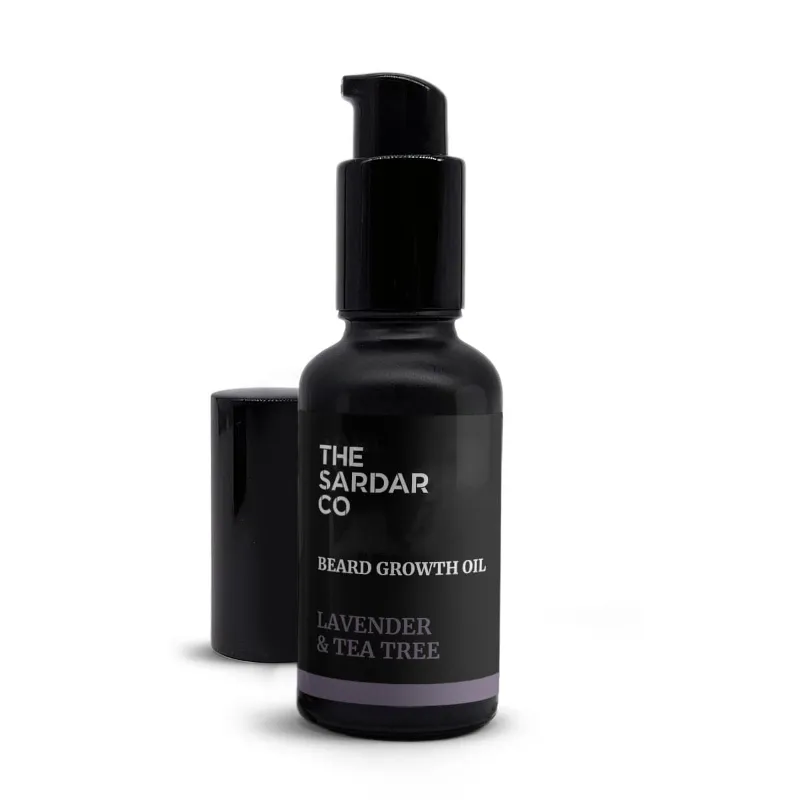
Tea Tree Beard Growth Oil is the better fit if your main concern is beard care, while nourishing natural hair oil is the better fit if you want a softer, more general oil for head hair and scalp routines. Both can sit in a grooming kit, but they solve different problems, feel different in use, and pair best with different tools like a beard brush, Handmade Acetate Comb, or beard balm.
If you are deciding between The Sardar Co’s beard and hair oils, start with where you plan to use it most. Facial hair and scalp hair have different texture, skin contact, and styling needs, so choosing by use case usually beats choosing by scent alone.
Tea Tree Beard Growth Oil: Best for Beard and Skin Underneath
Tea Tree Beard Growth Oil is aimed at beard routines, especially when the beard feels dry, coarse, itchy, or hard to shape. The key difference is not just the word “growth” on the label. A beard oil has to work through thicker facial hair while also reaching the skin underneath, because beard comfort often depends on reducing dryness at the root area.
Use this type of beard oil if you want to:
- Soften wiry or rough beard hair
- Reduce the dry, tight feeling under facial hair
- Make brushing and shaping easier
- Add a cleaner finish before using balm
- Support a more consistent beard-care routine
Tea tree is commonly used in grooming formulas for its fresh feel and cleansing reputation. If you want a broader background on essential oils often discussed in beard routines, this guide to the 12 Best Essential Oil for Beard Growth & Thickness is useful context. Just remember that oils can support the condition of hair and skin, but they do not override genetics, hormones, patchiness, or medical causes of hair loss.
For current pricing or the active store offer, check The Sardar Co page and grab the code before buying.
Nourishing Natural Hair Oil: Best for Head Hair and Scalp Comfort
nourishing natural hair oil is the more natural choice for head hair, especially if your goal is shine, manageability, and scalp comfort rather than beard shaping. It belongs in the same grooming family, but its best use is different: scalp massage, dry ends, pre-wash care, or a small finishing amount on hair that looks dull.
Choose it if you want to:
- Add softness to dry head hair
- Massage oil into the scalp before washing
- Smooth flyaways without reaching for beard products
- Support a simple weekly hair oil routine
- Use one product across longer hair lengths
This matters because scalp hair can be longer, finer, or more exposed to shampooing and heat styling than beard hair. A hair oil should be easy to spread across lengths and should not make your beard feel overly slick if facial hair is the actual problem. If your concern is mainly scalp dryness, a dedicated scalp oil may also be worth comparing on the store page.
Tea Tree Beard Growth Oil vs Hair Oil: Quick Comparison
Here is the simplest way to separate the two without overthinking it.
| Need | Better Pick | Why |
|---|---|---|
| Dry, itchy beard | Tea Tree Beard Growth Oil | Made for facial hair and the skin beneath it |
| Dry scalp or dull head hair | nourishing natural hair oil | Better suited to scalp massage and hair lengths |
| Beard shaping before balm | Beard oil | Helps soften before brushing or balming |
| Longer head hair routine | Hair oil | Easier to distribute through strands |
The takeaway: use beard oil for the beard, use hair oil for head hair. That sounds obvious, but it prevents two common mistakes: putting a general hair oil on a beard and wondering why it feels heavy, or using a beard-focused formula across head hair and not getting the spread or finish you want.
How to Use Each Oil Without Making Hair Greasy
Oil works best when you use less than you think and apply it to the right place first. The goal is a soft, conditioned feel, not a wet or coated look.
For beard oil
- Start after washing or rinsing, when the beard is clean and lightly damp.
- Warm a small amount between your palms.
- Press it into the beard and down to the skin.
- Comb or brush through to spread it evenly.
- Add balm only if you need more hold or shape.
A beard brush is especially useful here because it helps move oil from the surface into the beard instead of leaving it sitting in one patch. If your beard is longer, brush first to detangle, oil second, then brush again to finish.
For hair oil
- Apply before washing if you want a scalp massage or deeper conditioning step.
- Use a tiny amount after styling if you only want shine on the ends.
- Keep oil away from the roots if your hair gets greasy quickly.
- Comb through gently so you do not overload one section.
The Handmade Acetate Comb makes sense for head hair or longer beards because acetate teeth tend to glide more smoothly than cheap plastic combs. It is a small upgrade, but it can make oil distribution feel more controlled.
What to Pair With Each Product
The right companion product depends on whether you want conditioning, control, or styling.
| Product | Best Pairing | When to Use It |
|---|---|---|
| Beard oil | Beard brush | Daily softening and grooming |
| Beard oil | Coffee & Walnut Beard Balm | When you need shape and a richer finish |
| Hair oil | Handmade Acetate Comb | Spreading oil through hair lengths |
| Hair oil | Beard straightener only for beard styling needs | When heat styling facial hair, not as an oil replacement |
If your beard is short, oil plus a brush may be enough. If your beard is medium to long, a balm can help lock the shape after the oil has softened the hair. Coffee & Walnut Beard Balm is the better fit when you want hold and a more groomed finish, while vanilla beard balm may appeal if you prefer that scent profile.
For head hair, keep the routine simpler. Oil and combing are usually the key steps. A beard straightener belongs in a beard-styling routine, not a general scalp-care routine, and should be used carefully with heat protection habits.
Who Should Choose Which Oil?
Choose Tea Tree Beard Growth Oil if:
- Your beard feels rough, dry, or uncomfortable
- You want a beard-specific oil rather than a general hair product
- You already use a beard brush or balm
- You want a fresher tea tree style grooming feel
- Your main goal is beard softness and skin comfort
Choose nourishing natural hair oil if:
- Your scalp feels dry or your hair looks dull
- You want something for head hair lengths and ends
- You prefer a pre-wash oiling routine
- You are not trying to shape facial hair
- You want a more general hair care product
Some shoppers may want both. That is not wasteful if you actually maintain both a beard and head-hair routine. Use the beard product after showers or face washing, and use hair oil on wash days, dry ends, or scalp-massage days. If you are buying more than one grooming item, it is worth checking the current sitewide offer and latest price first.
Buying Advice: Do You Need Both?
You probably do not need both if you only care about one area. If you have a beard but keep your head hair very short, start with the beard product and add a brush before adding more oils. If you have no beard or only light stubble, the hair-focused option will likely serve you better.
A practical starter routine could look like this:
- Beard-first routine: beard oil, beard brush, then balm when you need hold
- Hair-first routine: hair oil, comb, then your usual wash and styling products
- Full grooming routine: beard oil for facial hair, nourishing oil for head hair, comb or brush depending on length
Also consider scent. Tea tree typically reads cleaner and sharper, while other grooming products such as Coffee & Walnut Beard Balm, vanilla beard balm, german blue, or kesari cloth may suit buyers who care about a broader personal-care or style routine from The Sardar Co. Scent preference should not be the only deciding factor, but it can affect whether you actually use the product consistently.
Final answer: buy the beard oil if your main issue is facial hair comfort and manageability, and buy the hair oil if your main issue is scalp or head-hair dryness. If both needs are real, separate products make the routine cleaner and easier to control. Before checkout, use our The Sardar Co discount page to check the active code rather than relying on an outdated offer.
Frequently asked questions
Can I use Tea Tree Beard Growth Oil on my scalp?
Use Tea Tree Beard Growth Oil on your beard and the skin underneath, not as a general head-hair oil. It is designed around facial hair comfort, softening, and grooming.
Is nourishing natural hair oil better than beard oil?
Nourishing natural hair oil is better for head hair, dry ends, and scalp massage. Beard oil is better when the problem is coarse facial hair or dry skin under the beard.
Do I need a beard brush with beard oil?
A beard brush helps spread oil evenly, reduce clumping, and train the beard into shape. It is especially useful if oil tends to sit on the surface of your beard.
Should I use Coffee & Walnut Beard Balm before or after oil?
Use oil first to soften the beard, then use balm if you want extra hold or a more styled finish. Coffee & Walnut Beard Balm is better as a finishing product than as a replacement for oil.
Is it worth buying both oils?
You can if you maintain both a beard and a head-hair routine. Use the beard oil on facial hair and the nourishing natural hair oil on your scalp or hair lengths so each product does its intended job.