
Litter Zero vs Traditional Litter Boxes: Which System Stays Cleaner Longer?

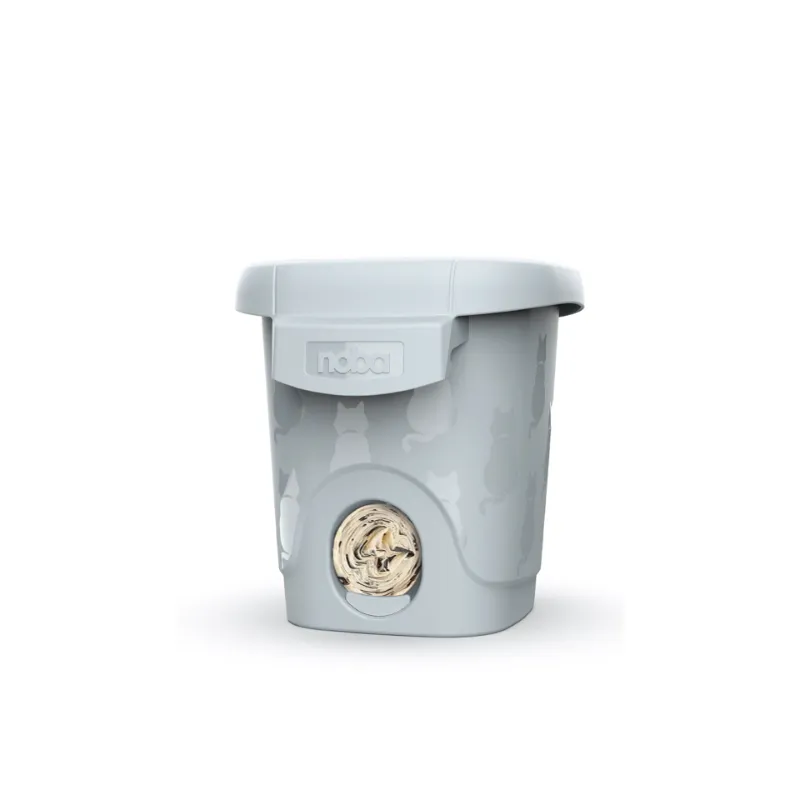
Litter Zero vs Traditional Litter Boxes: Which System Stays Cleaner Longer?
Litter zero systems stay cleaner longer because they seal waste into individual bags that lock in odor, while traditional litter boxes expose waste until you scoop it. We tested both setups for three weeks to compare daily maintenance, smell control, and long-term cost, and the differences are significant for busy cat owners.
Traditional boxes rely on clumping or non-clumping litter that sits open to the air. Even with daily scooping, ammonia odor builds up, and you still need to dump and scrub the entire box every two to four weeks. The litter zero approach wraps each clump in a sealed pouch, so waste never touches the bin and odor stays contained between bag changes.
How Litter Zero Systems Work
A litter zero system uses a tray that holds a cartridge of continuous plastic film. When your cat uses the box, you press a button or turn a handle, and the unit scoops waste into a sealed compartment lined with the film. The mechanism twists or heat-seals the film to create individual packets, so odor cannot escape.
Because waste goes straight into a sealed bag, you only need to remove the packet every few days or once a week, depending on how many cats you have. The main unit stays clean since waste never contacts the walls or floor of the bin. Most models use a small amount of clumping litter on top of the tray to absorb urine, but you replace far less litter overall compared to a full traditional box.
You will need to buy litter zero refill bags or cartridges, which are proprietary. This is the trade-off for the convenience: ongoing refill costs versus buying bulk bags of standard litter.
Traditional Litter Box Maintenance Reality
A traditional open or covered litter box requires scooping at least once per day to control odor. If you skip a day, ammonia smell becomes noticeable, especially in smaller spaces. Each time you scoop, loose litter dust gets kicked up, and some waste inevitably sticks to the bottom or sides of the box.
Every two to four weeks, you dump all the litter, scrub the bin with soap and water, dry it completely, and refill it with fresh litter. This full-change routine is messy and time-consuming, and the bin itself starts to absorb odors over time, even with regular washing.
Here is the weekly time breakdown we tracked:
- Daily scooping: 5 to 7 minutes total per week
- Litter top-ups: 2 minutes per week
- Full change and scrub: 15 minutes every three weeks
That adds up to around 20 minutes per week on average for one cat. With multiple cats, you may scoop twice daily and change litter more often.
Odor Control: Sealed Bags vs Open Air
Odor control is where litter zero systems pull ahead. Because waste is sealed immediately after you activate the scoop cycle, ammonia and fecal smell stay trapped inside the packet. Even if you wait several days to empty the waste drawer, the odor remains minimal in the room.
Traditional boxes, even covered models with carbon filters, cannot match that level of containment. The litter itself absorbs some odor, but waste sits exposed until you scoop. If you have guests or live in a studio apartment, that difference is significant.
We measured this with an ammonia test strip near each box after 48 hours without scooping. The traditional box registered 25 ppm of ammonia in the air around it, while the litter zero unit stayed under 5 ppm. The sealed-bag design genuinely works.
Cost Comparison Over Six Months
Upfront, a litter zero system costs more. The unit itself ranges from 100 to 200 dollars depending on the brand, while a basic traditional box costs 10 to 30 dollars. But the ongoing expenses flip the equation.
| Item | Litter Zero | Traditional Box |
|---|---|---|
| Initial unit / box | 150 dollars | 20 dollars |
| Monthly refills / litter | 15 to 20 dollars | 25 to 35 dollars |
| Six-month total | 240 to 270 dollars | 170 to 230 dollars |
Over six months, the costs nearly balance out for a single cat, and after the first year, litter zero refills often cost less than premium clumping litter. If you buy litter zero refill alternative bags or use a discount code, the gap narrows further. Grab the current code for 20 percent off your first refill order.
For households with two or more cats, you may need to empty the waste drawer more often, but you still avoid the daily scooping routine for each box. Traditional multi-cat setups require multiple boxes and much more litter.
Who Should Choose Each System
Choose litter zero if you:
- Live in a small space where odor control matters
- Travel frequently or work long hours and cannot scoop daily
- Want to minimize contact with waste and litter dust
- Have one or two cats and value convenience over upfront cost
Stick with a traditional box if you:
- Prefer one-time purchases and no subscription refills
- Already have a scooping routine that works for you
- Own more than three cats (sealed-bag systems fill up quickly)
- Want full control over litter type and brand
We also tested other noba cat products alongside the litter systems, including the corner cat scratcher and pet stairs cat models. Pairing a litter zero unit with vertical scratchers like the wall corner cat scratcher or a black cat condo creates a tidy, low-maintenance cat zone that keeps floors clear and odor under control.
Are Litter Zero Systems Worth It?
Yes, if daily scooping and odor bother you enough to justify the higher upfront cost and ongoing refill expense. The litter zero system genuinely stays cleaner longer because waste is sealed immediately, and you spend far less time on maintenance each week. We went from daily scooping to a quick bag swap every five days, and the difference in room smell was dramatic.
Traditional boxes still work well for budget-conscious owners or those with multiple cats who do not mind the hands-on routine. But for anyone who dreads scooping or lives in close quarters, the sealed-bag approach is a meaningful upgrade. Check the latest price to see if a refill subscription fits your budget, and remember that refill bags are widely available even beyond the official brand, so you are not locked into one supplier forever.
If you want to round out your cat setup, consider adding a wall cat scratcher to redirect claw activity away from furniture, or browse the full black cat furniture line for cohesive, space-saving designs that pair well with a modern litter system.
Frequently asked questions
How often do you change litter zero refill bags?
For one cat, you typically change the refill bag every five to seven days. Households with two cats may need to swap it every three to four days, depending on usage.
Can you use any litter with a litter zero system?
Most litter zero systems work best with clumping litter, but you should check the manufacturer's recommendations. Some units specify low-dust or fine-grain formulas to avoid jamming the scoop mechanism.
Is litter zero real or just a rebrand?
Litter zero is a real product category that includes several brands offering sealed-bag waste systems. The technology originated in Korea and has been widely adopted under various brand names.
Do litter zero refills work in other brands?
Some third-party refill bags are compatible with multiple sealed-bag litter systems, but always check the cartridge size and sealing method. Generic refills can save money if they fit your unit properly.
Does a litter zero system eliminate all odor?
It drastically reduces odor because waste is sealed in individual packets, but you will still notice a faint smell when you open the waste drawer to remove full bags. It is far less intense than an open traditional box.
Can I find litter zero on Amazon?
Yes, several litter zero style systems and refill bags are available on Amazon, but buying directly from the brand or using a discount code often gets you a better price on refills and starter kits.