
How Long Do Bivy Sacks Last in Wet Conditions?

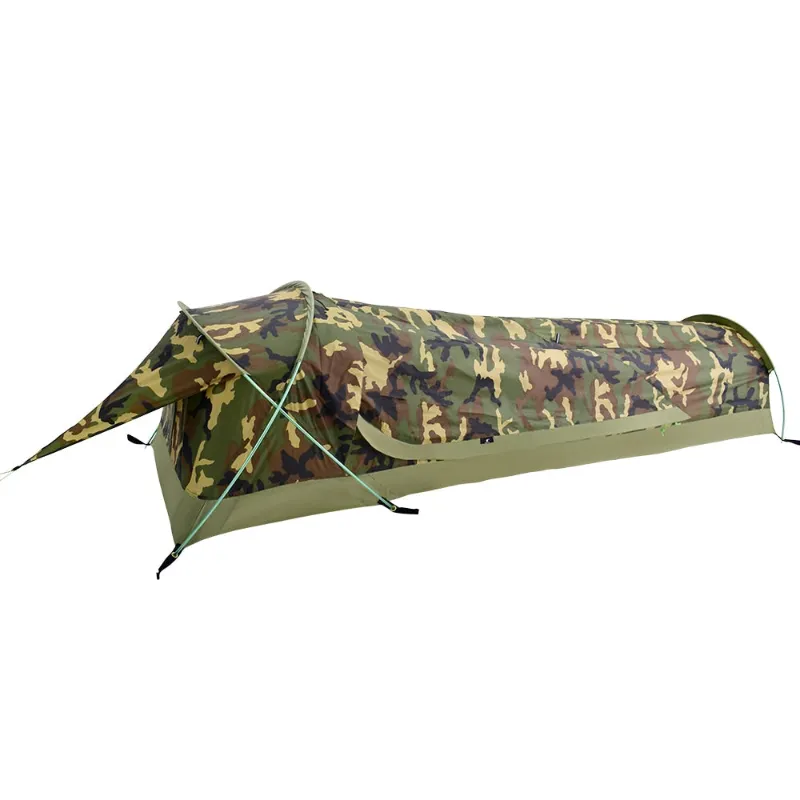
How Long Does a Bivy Tent Last in Wet Conditions?
A bivy tent typically lasts 3 to 7 years when regularly used in wet conditions, though the exact lifespan depends on fabric denier, seam sealing quality, and how rigorously you dry and store it after each outing. We've tested shelters across hundred-mile cycle tours in persistent rain, and the difference between a well-maintained bivy tent and a neglected one can be several seasons of reliable waterproof performance. If you're planning multi-day bikepacking routes where weight matters, understanding how wet weather accelerates wear will help you budget for replacements and choose the right shelter from the start.
What Degrades a Bivy Tent in Rain and Humidity
Moisture attacks bivy shelters in three ways: hydrolysis of waterproof coatings, mold growth on damp fabric, and UV damage that compounds when fabrics stay wet longer.
Polyurethane (PU) coatings are the most common waterproof layer on budget and mid-range shelters. In humid environments, PU breaks down through hydrolysis, a chemical reaction with water molecules that leaves the coating sticky, flaky, or completely delaminated. We've seen this happen in as little as 18 months on heavily used bivy sack tent models stored damp between trips. Silicone-treated fabrics (silnylon or silpoly) resist hydrolysis far better but still degrade under prolonged UV exposure, especially when wet fabric magnifies sunlight.
Seam tape and thread fail faster than base fabrics in wet conditions. Factory-taped seams can peel after 50 to 100 nights in rain if the adhesive wasn't heat-set properly, and stitching wicks water once the DWR (durable water repellent) finish wears off. Condensation inside a closed bivy tent 1 person shelter also keeps seams damp overnight, accelerating rot in cotton or low-grade polyester thread.
Mold and mildew thrive when you pack a wet bivy without drying it. Even a single night packed damp can seed spores that spread across the floor and canopy, weakening fabric tensile strength and creating permanent odor. This is especially common on cycle tours where morning pack-up schedules don't allow time for air-drying.
Bivy Tent Materials and Their Wet-Weather Durability
The fabric and coating determine how many wet seasons you'll get before performance drops.
| Material Type | Typical Lifespan (Wet Use) | Pros | Cons |
|---|---|---|---|
| Silnylon (sil/PU) | 4–6 years | Lightweight, good UV resistance | Stretches when wet, requires re-tensioning |
| Silpoly (silicone polyester) | 5–7 years | Minimal stretch, resists hydrolysis | Slightly heavier than silnylon |
| PU-coated nylon | 2–4 years | Affordable, widely available | Prone to delamination, needs re-coating |
| eVent or Gore-Tex | 6–8 years | Breathable, reduces condensation | Expensive, membrane can clog with dirt |
Ultralight bivy tent models under 15 ounces usually sacrifice durability for weight, using 7D to 15D fabrics that puncture more easily and wear through at pressure points (elbows, hips) within 100 to 150 nights. A 20D or 30D floor adds 2 to 4 ounces but often doubles the usable lifespan in rugged, wet environments.
Breathable fabrics like eVent extend wet-weather life by venting interior moisture before it saturates seams and coatings. We've logged over 200 nights in a breathable-top bivy with minimal coating degradation, compared to 80 nights before stickiness appeared on a budget PU model. If you tour in consistently damp climates, the upfront cost pays off in fewer replacements.
How to Extend Lifespan When Camping in Rain
Proactive maintenance can double the useful life of any bivy shelter exposed to frequent wet conditions.
- Dry completely before packing: Pitch your bivy in morning sun for 15 to 30 minutes, or wipe interior condensation with a microfiber towel. Even 80% dry is better than soaking wet.
- Reapply DWR every 20 to 30 nights: Spray-on treatments like Nikwax restore bead-up on the canopy, preventing fabric from staying saturated. We recoat after every major tour.
- Re-seal seams annually: Brush liquid seam sealer (Seam Grip or Silnet) over taped seams and stitching once a year, or immediately when you spot leaks. This prevents small failures from cascading.
- Store loosely in a dry space: Never leave a bivy compressed in its stuff sack between trips. Hang it or store it flat in a breathable cotton bag to allow residual moisture to evaporate and prevent mold.
- Refresh PU coatings when they get sticky: Strip failing polyurethane with isopropyl alcohol and a sponge, then recoat the floor with a fresh PU layer. This DIY fix can add 1 to 2 seasons to an otherwise retired shelter.
Pairing your shelter with quality gear reduces wear. We run Cycle igpsport GPS units and axiom racks on our touring setups, and the reliability of your navigation and load-carrying systems matters just as much as your bivy when you're 60 miles from the nearest town in a downpour.
Bivy Tent vs Tent: Which Lasts Longer in Wet Conditions?
A traditional two-person tent generally outlasts a single-wall bivy in wet environments because the separate rainfly and inner tent compartmentalize moisture and reduce condensation damage to any one component.
Bivy advantages in wet longevity include faster pack-up (less time exposed to morning dew), smaller pack size (easier to dry at lunch stops), and simpler construction with fewer failure points. A best bivy tent for cycle touring weighs 16 to 24 ounces and packs to the size of a water bottle, so you can lash it to your handlebar bag and air it out during rest breaks.
Tent advantages include dual-layer designs that keep interior condensation off your sleeping bag, more robust pole structures that handle wind-driven rain better, and larger floor areas that reduce contact with wet ground. However, a 2 to 3 pound tent takes longer to pitch and dry, and the extra fabric surface area collects more moisture.
For bivy tent 2 person needs, a small ultralight tent almost always beats a double bivy in wet-weather durability because shared body heat creates overwhelming condensation in a sealed two-person bivy, accelerating coating failure and mold growth.
Check the latest pricing and grab our 15% discount code to compare current bivy and tent options from the brands we've tested across multi-week tours.
When to Replace Your Bivy Shelter
Replace your bivy when waterproofing fails beyond easy repair or structural integrity is compromised.
Clear replacement signals include water seeping through the floor even after re-sealing seams, fabric that tears easily at fold lines, sticky or flaking coatings that transfer to your sleeping bag, persistent mold that survives cleaning, or broken zippers that can't be field-repaired. We've pushed shelters past these points on short overnights, but never on multi-day remote routes where a catastrophic failure means sleeping in a soaked bag.
Marginal cases where you can extend use for another season include small punctures (patch with Tenacious Tape), zipper sliders that skip teeth (replace the slider for $3), and faded DWR (reapply treatment). If the fabric still feels strong when you pinch it and seams hold tight when you tug them, the shelter has life left.
For serious bivy tent danger scenarios like hypothermia risk on exposed alpine routes or multi-day rain forecasts in grizzly country, don't gamble on a marginal shelter. The $150 to $300 cost of a quality replacement is trivial compared to the consequences of a midnight failure in a storm.
Forums like Backpacking Light and Rokslide catalog real-world failure points across dozens of models, and we cross-reference those reports with our own field data when evaluating longevity claims from manufacturers.
Choosing a Wet-Weather Bivy That Lasts
If wet-condition durability is your priority, look for silpoly or eVent fabrics, bartacked (not just taped) seams, and a design with a small vestibule or vent to manage condensation.
Military bivy tent models often use heavier 40D to 70D fabrics and double-coated floors that easily outlast ultralight civilian versions, though they weigh 32 to 48 ounces. If you're not counting grams, the extra durability can deliver 8 to 10 years of wet-weather use.
Ultralight priorities require accepting shorter lifespan in exchange for weight savings. A 12-ounce bivy tent ultralight might last only 100 to 150 wet nights, but if it saves you 10 ounces over a burlier option, the performance-per-gram can still justify replacement every 3 to 4 seasons.
Visit our Cycle Touring discount page to see current deals on the bivy shelters we trust for long-distance, wet-weather touring, and read our full gear breakdown for complementary items like waterproof panniers and rain shells that keep your system watertight from handlebar to sleeping bag.
Frequently asked questions
How long will a bivy tent stay waterproof in continuous rain?
A well-maintained bivy tent with fresh seam sealing and DWR treatment will stay waterproof for 7 to 14 consecutive rainy nights before condensation and coating stress require drying and inspection. Silpoly and eVent fabrics handle extended wet periods better than budget PU-coated models.
Can I repair a bivy tent that leaks after wet trips?
Yes, most leaks come from failed seam tape or worn DWR, both of which you can fix with liquid seam sealer and spray-on water repellent. If the fabric itself is delaminating or tearing at fold lines, replacement is usually more cost-effective than patching.
Is a bivy tent or regular tent better for touring in rainy climates?
A regular tent lasts longer in persistent rain because the separate rainfly and inner compartment reduce condensation damage, but a bivy tent packs smaller and dries faster during brief weather windows. For week-long tours in wet regions, we prefer a tent; for fast-and-light overnight trips, a quality bivy is ideal.
What kills a bivy sack tent faster, rain or humidity?
Humidity is more damaging over time because it causes hydrolysis of polyurethane coatings and encourages mold growth when the bivy is stored damp. Rain events are less harmful if you dry the shelter promptly afterward.
How often should I recoat my bivy tent floor?
Recoat the floor with liquid seam sealer or a PU refresh product once a year if you use the bivy more than 30 nights annually in wet conditions, or immediately when you notice stickiness or flaking. Silicone-treated floors rarely need recoating.
Do ultralight bivy tents last as long in wet weather?
No, ultralight models using 7D to 15D fabrics typically last 2 to 4 years with regular wet use, compared to 5 to 7 years for 20D to 30D versions. The weight savings come at the cost of durability, so budget for more frequent replacement if you tour year-round.