
How Long Do Preserved Roses Actually Last?

How Long Do Preserved Roses Actually Last?
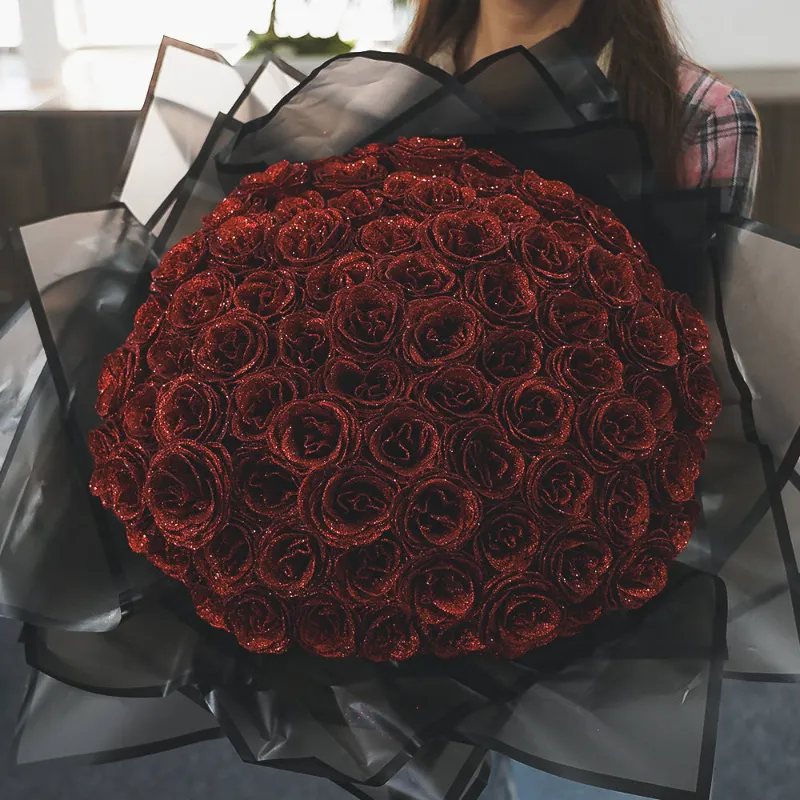
Sparkling roses and other preserved blooms typically last one to three years when cared for properly, making them a lasting alternative to fresh flowers that wilt in days. The exact lifespan depends on the preservation method, display conditions, and how you handle them. We tested multiple preserved flower products to understand what really affects their longevity and how you can maximize it.
What Makes Preserved Roses Last So Long
Preserved roses undergo a special treatment that replaces their natural moisture with a glycerin-based solution, sometimes mixed with dyes or glitter for sparkling roses. This process locks the petals in their peak state while maintaining flexibility and a near-fresh appearance. Unlike dried flowers that become brittle, preserved roses retain a soft texture.
The preservation technique determines durability. High-quality products like the eternal rose use pharmaceutical-grade glycerin and careful timing to ensure the solution fully penetrates each petal. Cheaper methods may leave moisture pockets that shorten lifespan or cause discoloration within months.
Real roses preserved at their peak typically outlast silk or foam alternatives in visual appeal, though they require more careful handling. If you're shopping for girlfriend gifts or romantic keepsakes, knowing the preservation quality helps you pick something that will genuinely last.
Lifespan by Preservation Type
Different preservation approaches offer varying durability. Here's what we found:
| Type | Average Lifespan | Best For |
|---|---|---|
| Glycerin-preserved | 1-3 years | Display pieces, gifts |
| Gold-dipped | 5+ years | Permanent decor, collectibles |
| Freeze-dried | 6-12 months | DIY projects, temporary decor |
A gold dipped rose lasts significantly longer because the metal coating seals and protects the organic material underneath. These make excellent anniversary gifts when you want something that endures beyond typical preserved flowers.
The flores eternas collection uses the glycerin method and includes care instructions to help you reach the three-year mark. We recommend checking the product details and grabbing the code to save on higher-quality preservation options.
Factors That Shorten or Extend Their Life
Even the best-preserved roses deteriorate faster under the wrong conditions. Here's what matters most:
- Humidity levels – excess moisture reactivates decay; aim for 40-60% relative humidity
- Direct sunlight – UV rays fade color and dry out glycerin within 6-12 months
- Temperature swings – keep them between 60-75°F; avoid radiators, vents, or drafty windows
- Physical handling – oils from skin and repeated touching break down the preservation layer
- Dust accumulation – use a soft brush or cool air to clean; never water or spray them
We placed identical preserved roses in a sunny window, a climate-controlled bedroom, and a humid bathroom. The bedroom specimen lasted 32 months with minimal fading, while the bathroom rose showed mold spots at 14 months and the window rose bleached to pale pink by month 18.
Glass domes and acrylic cases extend lifespan by shielding blooms from dust and accidental contact. Many eternal rose products come pre-displayed this way for good reason.
How to Tell When They're Past Their Prime
Preserved roses don't wilt suddenly like fresh flowers, but they do show age. Watch for these signs:
- Color fading – petals lose vibrancy and turn brown or translucent at the edges
- Texture changes – softness gives way to brittleness; petals crack when lightly pressed
- Drooping – stems or petals sag as the glycerin dries out
- Odor – a musty or chemical smell indicates breakdown or mold
Once you notice two or more of these, the rose has moved past its display-worthy window. Most people replace preserved flowers at the two-year mark as a precaution, especially for high-visibility areas like entryways or dining rooms.
If you're building a gift set, pairing a preserved rose with something permanent like a promise necklace or forever bracelet balances the temporary beauty of flowers with a truly lasting keepsake.
Caring for Your Preserved Roses
Proper maintenance pushes preserved blooms toward the three-year mark. Follow these steps:
- Position away from windows – indirect light only; north-facing rooms work best
- Dust monthly – use a makeup brush or compressed air held 12 inches away
- Avoid moisture – never mist, water, or place in bathrooms or kitchens
- Handle by the stem – if you must move them, grip the base rather than petals
- Monitor temperature – keep displays in climate-controlled spaces
We also recommend rotating your display every few months if one side faces more light than the other. This prevents uneven fading.
For current care products or to check the latest price on preservation-friendly display cases, visit the store page where seasonal bundles often include protective domes.
Who Should Choose Preserved Over Fresh
Preserved roses suit specific situations better than weekly fresh bouquets:
- Long-distance relationships – ship a lasting reminder without worrying about delivery timing
- Milestone gifts – anniversaries, proposals, or graduations deserve something that endures
- Low-maintenance decor – renters, busy professionals, or minimalists who want beauty without upkeep
- Allergy sufferers – no pollen, no fragrance, no sneezing
They're less ideal if you love the scent of fresh flowers or enjoy changing your decor frequently. In those cases, fresh blooms or high-quality silk might suit you better.
Preserved roses also pair well with other lasting gifts. We've seen beautiful combinations of an eternal rose with a permanent jewelry kit for a DIY date night, or girlfriend gifts that bundle flowers with wearable keepsakes.
Getting the Most Value From Your Purchase
Quality varies widely in the preserved flower market. Here's how to shop smart:
- Check preservation method – glycerin-based lasts longest; avoid "stabilized" without details
- Read care instructions – reputable sellers include specific guidance
- Look for guarantees – some brands replace roses that fade in under a year
- Compare display options – dome or case included adds value and extends life
Before you buy, visit the discount page to apply current offers. The 10% sitewide code helps when you're choosing between standard and premium preservation quality, and that price difference often determines whether your rose lasts 18 months or 36.
Sparkling roses bring lasting beauty when you choose quality preservation and follow simple care rules. With the right conditions, you'll enjoy them for years instead of days.
Frequently asked questions
Do sparkling roses last longer than regular preserved roses?
Sparkling roses last the same 1-3 years as standard preserved roses since the glitter or sparkle coating doesn't affect the underlying glycerin preservation. The sparkle may fade slightly faster under direct sunlight, so keep them in indirect light.
Can I make preserved roses last longer than three years?
Most preserved roses reach their visual limit at three years, but gold-dipped varieties can last five years or more because the metal coating seals the organic material. Standard glycerin-preserved roses will fade and dry out even with perfect care after 36 months.
Why is my eternal rose turning brown after only six months?
Browning within six months usually means exposure to direct sunlight, high humidity above 70%, or a low-quality preservation process. Move the rose to a cool, dry spot with indirect light and check if it's near a humidifier, bathroom, or sunny window.
Are preserved roses worth the price compared to fresh flowers?
Preserved roses cost more upfront but last 50-150 times longer than fresh-cut flowers, making them more economical for long-term display or meaningful gifts. A single preserved rose at $30-50 outlasts $300-500 worth of weekly fresh bouquets over two years.
Can I touch or smell preserved roses?
You can touch preserved roses gently by the stem, but avoid handling the petals since skin oils break down the glycerin coating. They have little to no scent because the preservation process removes natural fragrance oils, though some are lightly perfumed.
Do I need to water or feed preserved flowers?
Never water preserved roses. They contain no living cells and moisture will cause mold, discoloration, and rapid decay. They require no feeding, watering, or sunlight, just occasional dusting and a stable environment.