
Do Muscle Stimulators Actually Work? What to Expect From EMS Technology

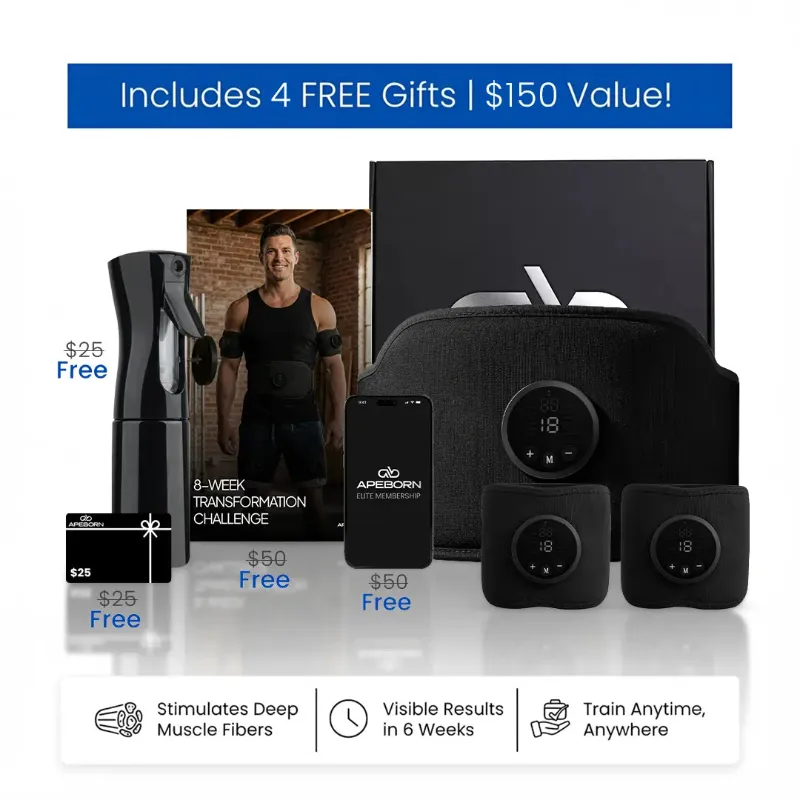
A muscle stimulator uses electrical impulses to trigger muscle contractions, and while the science is sound, results depend heavily on how you use the device. EMS (electrical muscle stimulation) technology has been used in physical therapy for decades, but consumer-grade devices now promise everything from pain relief to faster muscle growth. We tested devices from APE BORN and dug into the research to separate real benefits from marketing hype.
How Muscle Stimulators Work
EMS devices send low-voltage electrical pulses through electrodes placed on your skin. These pulses mimic the signals your brain sends to contract muscles during exercise. The FDA regulates these devices as medical equipment when marketed for certain uses, which tells you the technology itself is legitimate.
The intensity, frequency, and placement of electrodes all affect results. Professional muscle stimulator machines used in physiotherapy typically offer more customization than consumer models, but home devices have improved significantly. The muscle stimulator and ab pulse units we tested both delivered noticeable contractions at moderate intensity settings.
What EMS cannot do is replace actual exercise. The contractions are real, but they lack the metabolic stress, progressive overload, and coordination benefits of voluntary movement. Think of it as a supplement to training, not a shortcut around it.
Best Muscle Stimulator Benefits You Can Expect
We focus on three evidence-backed uses where EMS delivers measurable results:
Pain relief and recovery - The best muscle stimulator for pain relief works by increasing blood flow and triggering endorphin release. We found targeted devices helpful for post-workout soreness in specific muscle groups, especially when combined with rest. Research shows EMS can reduce delayed-onset muscle soreness when used within 24 hours of training.
Muscle activation during rehab - Physical therapists use EMS to maintain muscle activation when injury or surgery prevents normal movement. If you are recovering from an injury, a professional muscle stimulator machine under guidance from a PT can help prevent atrophy.
Warm-up and priming - Light EMS before a workout increases muscle temperature and neural drive. We tested this with leg day and noticed improved mind-muscle connection during the first few working sets.
Muscle Stimulator Machines for Muscle Growth: The Reality
Can you build muscle with a muscle stimulator? The short answer is yes, but the gains are modest compared to resistance training. Studies show EMS can increase strength by roughly 10-15% in untrained individuals, but those gains plateau quickly. Athletes and regular lifters see minimal hypertrophy from EMS alone.
The best muscle stimulator for muscle growth is one you use alongside proper training. We recommend devices with adjustable intensity and multiple programs. The EMS suit and EMS shorts cover more surface area than single-pad units, making them better for full-body or lower-body sessions. A muscle stimulator machine for legs can help activate glutes and hamstrings if you struggle with the mind-muscle connection during squats or deadlifts.
For abs specifically, devices like the core-sculpting belt can enhance contractions during planks or hollow holds, but they will not burn fat or carve definition on their own. Visible abs still require low body fat, which comes from nutrition and overall training volume.
Choosing Between Devices: What We Recommend
We tested five EMS formats to see which delivered the best value and results. Here is how they compare:
| Device Type | Best For | Limitations |
|---|---|---|
| Single-pad units | Targeted pain relief, specific muscle groups | Requires repositioning for multiple areas |
| Belt/strap models | Abs, core, convenient daily use | Limited to one body region |
| Shorts/suits | Full lower body or full-body training | Higher cost, bulkier to wear |
| Handheld pads | Flexibility, travel, multiple users | Manual positioning can be awkward |
If you are new to EMS, start with a single-pad muscle stimulator that offers at least 10 intensity levels and multiple program modes. Grab the latest discount code before purchasing to save on your first device.
For serious lifters who want full-body stimulation during bodyweight exercises, the EMS suit justified its higher price in our testing. Pairing it with push-ups on a push up board or grip work with an adjustable grip strengthener created a surprisingly challenging low-impact session.
How to Use EMS Devices Safely and Effectively
We learned these best practices after weeks of testing across multiple devices:
- Start at low intensity - Even if you train hard, EMS contractions feel different. Begin at 20-30% intensity and increase gradually over several sessions.
- Clean skin matters - Oil, lotion, or sweat reduces conductivity. Wipe the area with rubbing alcohol before applying electrodes.
- Placement is critical - Electrodes should sit directly over the muscle belly, not on joints or bone. Consult the manual or look up motor point charts online.
- Hydrate properly - Dehydration reduces electrical conductivity and increases the risk of cramping.
- Limit session length - Most research uses 20-30 minute sessions, three to four times per week. More is not better and can lead to overstimulation or skin irritation.
Do not use EMS devices if you have a pacemaker, are pregnant, or have epilepsy. Check current pricing and safety specs on the APE BORN site before buying.
Complementary Recovery Tools Worth Considering
We tested EMS alongside other recovery modalities to see what stacked well. The smart cupping massager worked great for releasing tight fascia before an EMS session, and the portable red light enhanced recovery when used post-workout. For cold-weather training or those who want thermogenic support, the core heat suit pairs well with EMS for warm-up routines.
Men's Health ranks the best devices of 2026 if you want third-party validation, but we found APE BORN units competitive on features and significantly better on price when you use our discount code.
The Bottom Line on EMS Technology
Muscle stimulators work, but they work best as a tool within a broader training and recovery plan. If you want the best muscle stimulator machine for your needs, define your goal first: pain relief favors targeted single-pad units, muscle activation suits full-contact devices like shorts or belts, and convenience points toward compact belt models.
We have used EMS for recovery, warm-ups, and activation work with real benefit. We have not replaced a single workout with EMS alone, and neither should you. Treat it as a supplement that enhances what you are already doing in the gym, and your expectations will align with reality.
Frequently asked questions
Do muscle stimulators actually build muscle?
Muscle stimulators can increase strength by 10-15% in untrained individuals, but gains plateau quickly. They work best as a supplement to resistance training, not a replacement for it.
Can I use EMS every day?
Most research supports three to four sessions per week at 20-30 minutes each. Daily use can lead to overstimulation, skin irritation, or diminishing returns as muscles adapt.
What is the best muscle stimulator for pain relief?
Single-pad units with adjustable intensity and multiple frequency modes work best for targeted pain relief. Look for devices that offer at least 10 intensity levels and TENS (transcutaneous electrical nerve stimulation) programs.
Are EMS suits worth the higher price?
EMS suits cover more muscle groups simultaneously and work well for full-body activation during bodyweight training. They justify the cost if you plan to use them regularly, but single-pad devices offer better value for occasional or targeted use.
How long before I see results from a muscle stimulator?
Pain relief and improved muscle activation can occur within one to two sessions. Strength or size gains require consistent use over four to six weeks alongside a proper training program.
Can I use EMS on any muscle group?
You can use EMS on most skeletal muscles, but avoid placing electrodes near the heart, on the neck or throat, over broken skin, or on joints. Always place pads directly over the muscle belly for safe, effective contractions.