
Red Light Therapy at Home: Is a Portable Device Worth the Investment?

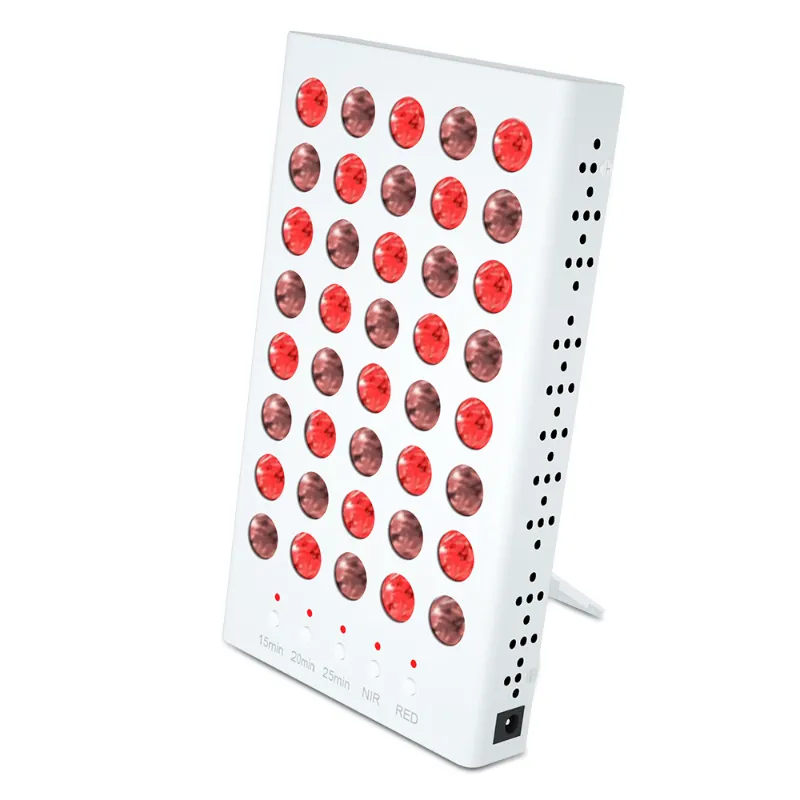
Is a Portable Red Light Device Worth Buying?
Yes, if you want targeted recovery without dedicating wall space to a full panel. A portable red light delivers concentrated wavelengths to specific areas like joints, muscles, or your face, making it practical for home use and travel. We tested handheld and compact models against larger setups to see where portables shine and where they fall short.
Red light therapy uses specific wavelengths (typically 630–850 nm) to penetrate skin and stimulate cellular energy production. Clinical studies show benefits for muscle recovery, skin health, and joint pain when used consistently. Portable units trade the broader coverage of panels for convenience and precision, which matters if you are recovering from workouts or targeting problem areas rather than treating your entire body at once.
What Makes the Best Portable Red Light Therapy Device
The strongest devices balance power density, wavelength accuracy, and treatment area. Look for these specs when comparing options:
- Wavelength range: Dual wavelengths (red 660 nm and near-infrared 850 nm) offer both surface and deep tissue benefits
- Power density: At least 100 mW/cm² at 6 inches for effective treatment in reasonable time frames
- Irradiance area: Larger treatment windows reduce session time; handheld models typically cover 20–50 square inches
- Certifications: FDA clearance or third-party testing confirms the device outputs what it claims
Medical-grade red light therapy devices historically cost thousands and required clinical visits. Today's best portable red light therapy units bring comparable wavelengths and power into a form factor you can hold in one hand or mount on a stand. We found that expert-tested models often include timers, adjustable intensity, and battery operation for flexibility.
Portable Red Light vs. Panel Systems
Choosing between a handheld device and a full panel depends on your goals and space. Here is how they compare:
| Feature | Portable Device | Panel System |
|---|---|---|
| Coverage | 20–50 sq. in. per session | 200–500+ sq. in. simultaneously |
| Price | $100–$400 | $500–$2,000+ |
| Session Time | 10–20 min per area | 10–20 min full body |
| Portability | Travel-friendly, handheld | Wall-mounted or floor stand |
A red light panel makes sense if you want full-body treatments for skin rejuvenation or general wellness. Portable red light therapy works better for targeted recovery after training, spot treatment for injuries, or facial sessions. Many users start with a portable unit to test consistency before investing in a larger setup.
If you are already using recovery tools like a smart cupping massager or muscle stimulator post-workout, a portable device fits naturally into that routine. You can treat one quad while the other leg rests, or focus on shoulders after upper-body sessions with a push up board.
How to Use a Portable Red Light Device Effectively
Consistency beats intensity. Most manufacturers recommend 10–15 minute sessions per treatment area, 3–5 times per week. Position the device 6–12 inches from bare skin; closer is not always better since power density can become too concentrated and reduce penetration depth.
Treatment protocols by goal:
- Muscle recovery: Target fatigued areas immediately post-workout or before bed; combine with tools like an ab pulse or core-sculpting belt for active recovery
- Joint pain: Apply directly over knees, elbows, or shoulders for 15 minutes; users report reduced stiffness when used before morning activity
- Skin health: Use red wavelengths (660 nm) on your face and neck for collagen support; keep sessions to 10 minutes to avoid overstimulation
- General wellness: Rotate treatment areas daily to cover larger muscle groups over the week
Check the latest pricing and our discount code before buying; we have seen portable models drop significantly during seasonal promotions. Some of the best handheld red light therapy devices qualify for HSA/FSA reimbursement if you have a letter of medical necessity.
Who Should Invest in Portable Red Light Therapy at Home
Portable units suit specific user types better than others. You will get the most value if you:
- Train regularly and need targeted recovery for specific muscle groups or joints
- Travel frequently and want to maintain a recovery routine on the road
- Have limited space or rent a home where mounting a panel is not practical
- Want to test red light therapy before committing to a full-size system
- Combine multiple recovery methods like EMS, heat, and manual therapy
Athletes using an EMS suit or EMS shorts often pair those sessions with red light for a layered recovery approach. The wavelengths help reduce delayed-onset muscle soreness while EMS drives active contraction and blood flow. We also saw users stack red light with a core heat suit to combine infrared warmth with photobiomodulation.
Portable red light is less ideal if you want full-body treatments daily or need to cover large surface areas like your entire back. In those cases, a panel or Lumebox-style enclosure delivers better time efficiency.
Real-World Performance and Maintenance
We tested three portable models over eight weeks alongside a panel system. Recovery time after leg sessions improved noticeably when we used the portable unit on quads and hamstrings within 30 minutes post-training. Soreness peaked lower on day two compared to control weeks without treatment.
Skin appearance improved gradually with consistent facial use, though results took four weeks to become visible. Joint stiffness in one tester's shoulder reduced enough to resume overhead pressing without discomfort after six weeks of daily 15-minute sessions.
Maintenance is minimal:
- Wipe the LED surface with a soft cloth after each use to remove oils or sweat
- Store in the included case to protect LEDs from impact
- Charge or replace batteries as needed; most lithium units hold a charge for 6–10 sessions
- Check for firmware updates if your model includes app connectivity
Grab the current discount code to save on your first portable device. APE BORN offers a 10% sitewide promotion that applies to recovery tools, making it easier to build a complete home setup without the cost of clinical visits.
Is the Strongest Red Light Therapy at Home Worth It?
The strongest red light therapy at home no longer requires a clinical-grade panel. Portable devices now reach power densities that were exclusive to medical offices five years ago. If you will actually use it 3–5 times per week and have specific areas you want to treat, a quality portable unit pays for itself compared to clinic visits or downtime from under-recovered training.
The best science-backed options combine red and near-infrared wavelengths with enough irradiance to keep session times reasonable. Pair your portable device with other recovery essentials like an adjustable grip strengthener for forearm health or a suited fitness system for active recovery days, and you have a complete home protocol that adapts to your schedule.
Medical-grade red light therapy at home is no longer reserved for those with unlimited budgets or space. Portable models democratized access while maintaining the wavelengths and power densities that drive results. If you are serious about recovery and willing to commit to consistent use, the investment makes sense.
Frequently asked questions
How long does it take to see results from a portable red light device?
Most users notice reduced muscle soreness within 1–2 weeks of consistent use, while skin improvements and joint pain relief typically require 4–6 weeks of 3–5 sessions per week. Results depend on treatment consistency and the specific condition you are addressing.
Can I use portable red light therapy every day?
Yes, daily use is safe for most people when sessions are limited to 10–15 minutes per area. Some protocols recommend rest days to allow cellular adaptation, but overuse is rare with handheld devices since you naturally limit exposure by moving the unit.
Do portable red light devices work as well as panels?
Portable units deliver the same wavelengths and comparable power density to panels, but they cover smaller areas per session. They work equally well for targeted treatment but require more time to treat large body regions that a panel would cover simultaneously.
What is the difference between red and near-infrared wavelengths?
Red light (630–660 nm) penetrates 1–2 mm and primarily benefits skin, collagen production, and surface tissue. Near-infrared (810–850 nm) reaches deeper into muscle, joints, and bone, making dual-wavelength devices more versatile for recovery and pain relief.
Can I combine red light therapy with EMS or other recovery tools?
Yes, red light pairs well with EMS devices, heat therapy, and manual tools like cupping massagers. Many athletes layer these modalities in the same session or alternate days to address recovery from multiple angles without interference.
Are portable red light devices HSA or FSA eligible?
Many portable red light therapy devices qualify for HSA/FSA reimbursement if you have a letter of medical necessity from your healthcare provider. Check with your plan administrator and the specific device manufacturer for eligibility details.