
How to Use an EMS Suit for Muscle Recovery and Strength Training

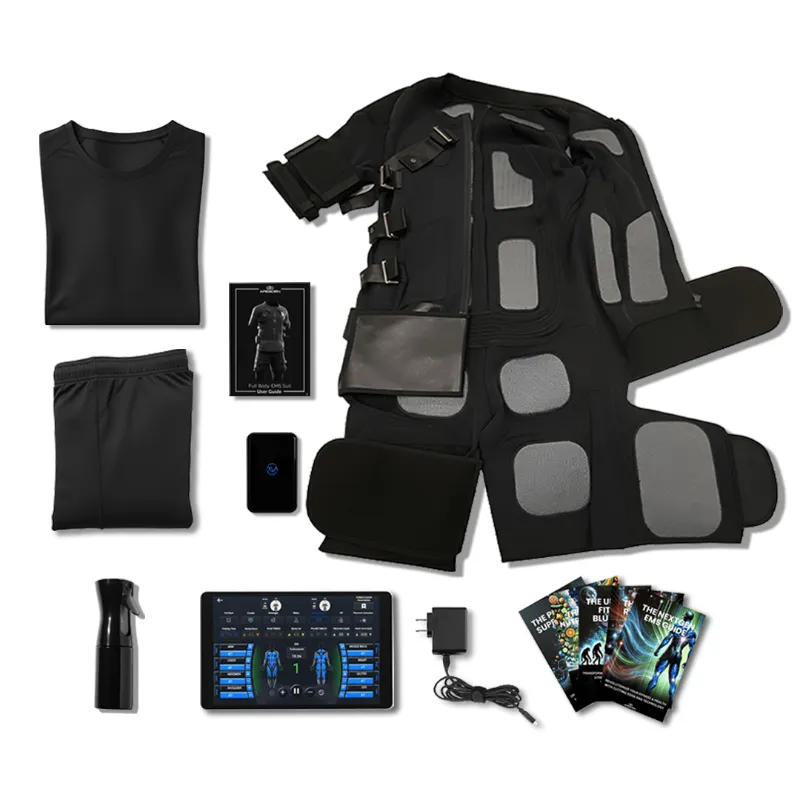
An ems suit delivers electrical muscle stimulation across multiple muscle groups simultaneously, helping you train more efficiently and recover faster than traditional workouts alone. Whether you're exploring options like the ems suit from APE BORN or researching premium brands, understanding how to use the technology correctly will maximize your results and keep sessions safe.
We've tested EMS gear extensively and work with APE BORN to bring you honest guidance on integrating electrical muscle stimulation into your routine. This guide walks you through setup, session structure, intensity dialing, and recovery protocols so you can make the most of every session.
What an EMS Suit Does for Strength and Recovery
EMS technology sends low-frequency electrical impulses through electrodes embedded in the suit fabric, triggering involuntary muscle contractions that complement your voluntary movements. When you perform a squat or lunge while wearing the suit, the electrical pulses deepen the contraction and recruit more muscle fibers than the exercise would activate on its own.
For strength training, this means you can achieve greater muscle engagement in less time. A 20-minute session can feel as demanding as a 90-minute conventional workout because nearly every major muscle group contracts simultaneously. For recovery, EMS at lower intensities increases blood flow, flushes metabolic waste, and reduces soreness without adding mechanical load to fatigued joints and connective tissue.
The best ems suit for home use will include adjustable intensity per muscle group, wireless control, and electrodes that maintain consistent contact. Brands like Katalyst, Vision Body, and XBody dominate the professional space, while APE BORN offers accessible home options that pair well with other recovery tools like the smart cupping massager and portable red light.
How to Set Up Your EMS Suit Correctly
Proper setup ensures even stimulation and prevents hot spots or skin irritation.
- Dampen the electrodes – Most suits require you to spray or soak the electrode pads with water or conductive gel before wearing. Dry electrodes deliver inconsistent pulses and can cause discomfort.
- Wear a base layer – A thin, moisture-wicking shirt and leggings go under the suit to protect your skin and help the electrodes glide into position.
- Check electrode placement – Each pad should sit flat against the target muscle. Common zones include quads, hamstrings, glutes, lower back, abs, chest, biceps, and triceps. Adjust straps so the suit fits snugly but doesn't restrict breathing or circulation.
- Pair the control unit – Connect the wireless controller or app, confirm all channels register, and run a brief test pulse at low intensity to verify every electrode responds.
If you're supplementing EMS with other modalities, tools like the core-sculpting belt or ab pulse can target specific areas between full-body sessions, while the muscle stimulator offers portable spot treatment for single muscle groups.
Structuring an EMS Training Session
EMS sessions are shorter and more intense than traditional workouts. We recommend the following structure for strength-focused training:
- Warm-up (3–5 minutes) – Activate the suit at 30–40% intensity while performing dynamic stretches, arm circles, and bodyweight squats. This primes the nervous system and increases tissue temperature.
- Work intervals (12–15 minutes) – Alternate 4-second contraction pulses with 4-second rest periods. During each pulse, perform a compound movement like a squat, lunge, plank, or push-up. The electrical impulse peaks as you reach the hardest point of the rep.
- Cool-down (3–5 minutes) – Drop intensity to 20–30% and move through static stretches or slow walking to help clear lactate and prevent cramping.
For recovery-focused sessions, skip the heavy exercises and let the suit do the work. Set intensity to 20–40%, lie or sit comfortably, and let the pulses massage the muscles for 15–20 minutes. This passive mode pairs well with the core heat suit for enhanced circulation or the portable red light for tissue repair.
Grab the latest APE BORN discount code to save 10% on full-body EMS gear and recovery tools.
Dialing in Intensity and Frequency
Start conservative. Even athletes accustomed to heavy lifting find EMS surprisingly taxing because it recruits muscle fibers that normally stay dormant.
Intensity guidelines:
| Goal | Intensity Level | Session Frequency |
|---|---|---|
| Active recovery | 20–40% | 3–4 × per week |
| Muscle endurance | 50–60% | 2–3 × per week |
| Strength & hypertrophy | 70–85% | 1–2 × per week |
Each muscle group can be adjusted independently. Your glutes and quads may tolerate 75% intensity, while your lower back and abs might need to stay at 50%. Listen to your body and avoid cranking every channel to maximum – overstimulation leads to excessive soreness and central nervous system fatigue.
Pair EMS with complementary strength tools like the push up board for upper-body variety or the adjustable grip strengthener for forearm and hand conditioning between sessions.
Best Practices and Safety Tips
EMS is generally safe for healthy adults, but a few precautions will keep your sessions effective and injury-free.
- Avoid if you have a pacemaker, are pregnant, or have uncontrolled epilepsy – Electrical stimulation can interfere with implanted devices and is not recommended during pregnancy.
- Stay hydrated – EMS increases metabolic demand and can cause cramping if you're dehydrated. Drink water before, during, and after sessions.
- Don't train sore muscles at high intensity – If you're still feeling significant DOMS from a previous session, either skip EMS or use recovery mode only.
- Clean the suit after every use – Sweat and conductive gel degrade electrode performance. Rinse or wipe down electrodes and let the suit air dry.
- Progress gradually – Add 5–10% intensity every two to three sessions rather than jumping straight to maximum output.
Brands like XBody and Wiemspro publish detailed safety protocols and training certifications if you want to dive deeper into professional EMS programming.
Combining EMS with Other Training and Recovery Modalities
EMS works best as part of a broader routine, not as a standalone solution. We recommend pairing it with:
- Traditional resistance training – Use EMS once or twice per week to intensify key lifts, then perform conventional workouts on other days to maintain movement skill and connective tissue resilience.
- Mobility work – The suited fitness approach emphasizes movement quality. Combine EMS with yoga, foam rolling, or dynamic stretching to prevent the muscle tightness that can follow intense electrical stimulation.
- Spot recovery tools – Target stubborn soreness with the smart cupping massager or the muscle stimulator on off days, and use the portable red light to accelerate tissue repair before bed.
If lower-body sessions leave you especially fatigued, the ems shorts let you train legs in isolation while giving your upper body a break, and the core-sculpting belt offers a middle ground for core-only work.
Check current pricing and codes on the full APE BORN recovery lineup, including EMS suits, heat therapy, and portable massage tools.
Who Should Use an EMS Suit
EMS suits appeal to time-pressed professionals, athletes in-season who need to maintain strength without accumulating joint stress, and anyone rehabbing an injury under professional guidance. They're also useful for older adults looking to preserve muscle mass without high-impact exercise.
However, they're not a magic shortcut. You still need to eat well, sleep adequately, and program your training intelligently. The best ems suit is the one you'll actually use consistently, paired with a sustainable routine that balances intensity, recovery, and real-world movement.
If you're new to EMS, start with one or two sessions per week at moderate intensity, track your soreness and performance, and adjust from there. Over time, you'll develop a feel for how your body responds and where electrical stimulation fits best in your broader training plan.
Frequently asked questions
How long should my first EMS suit session last?
Start with 15 to 20 minutes total, including warm-up and cool-down, at 40 to 50% intensity. Your muscles will feel the work even at moderate settings, and shorter sessions let you gauge recovery needs before progressing.
Can I use an EMS suit every day?
Daily use is not recommended for strength training. Limit high-intensity sessions to one or two per week, and use recovery mode at low intensity on other days if desired. Overuse can lead to excessive fatigue and poor adaptation.
Do I need special clothing under the suit?
Yes, wear a thin, moisture-wicking base layer to protect your skin and help electrodes maintain contact. Avoid thick or loose fabrics that create gaps between the pads and your body.
What is the difference between an EMS suit and EMS shorts?
An EMS suit covers your entire torso, arms, and legs for full-body stimulation, while EMS shorts target only the lower body and core. Shorts work well for leg-focused sessions or when you want to isolate lower-body recovery.
Is the Katalyst EMS suit worth the price compared to budget options?
Premium suits like Katalyst and Vision Body offer more channels, finer intensity control, and better electrode durability, but budget home options can still deliver effective results if you prioritize fit and consistent use. Match your choice to your training frequency and goals.
Can EMS help with muscle soreness after a heavy leg workout?
Yes, low-intensity EMS in recovery mode increases blood flow and can reduce DOMS. Set the suit to 20 to 30% intensity and let it run for 15 to 20 minutes without additional exercise.